
Last updated November 15, 2026
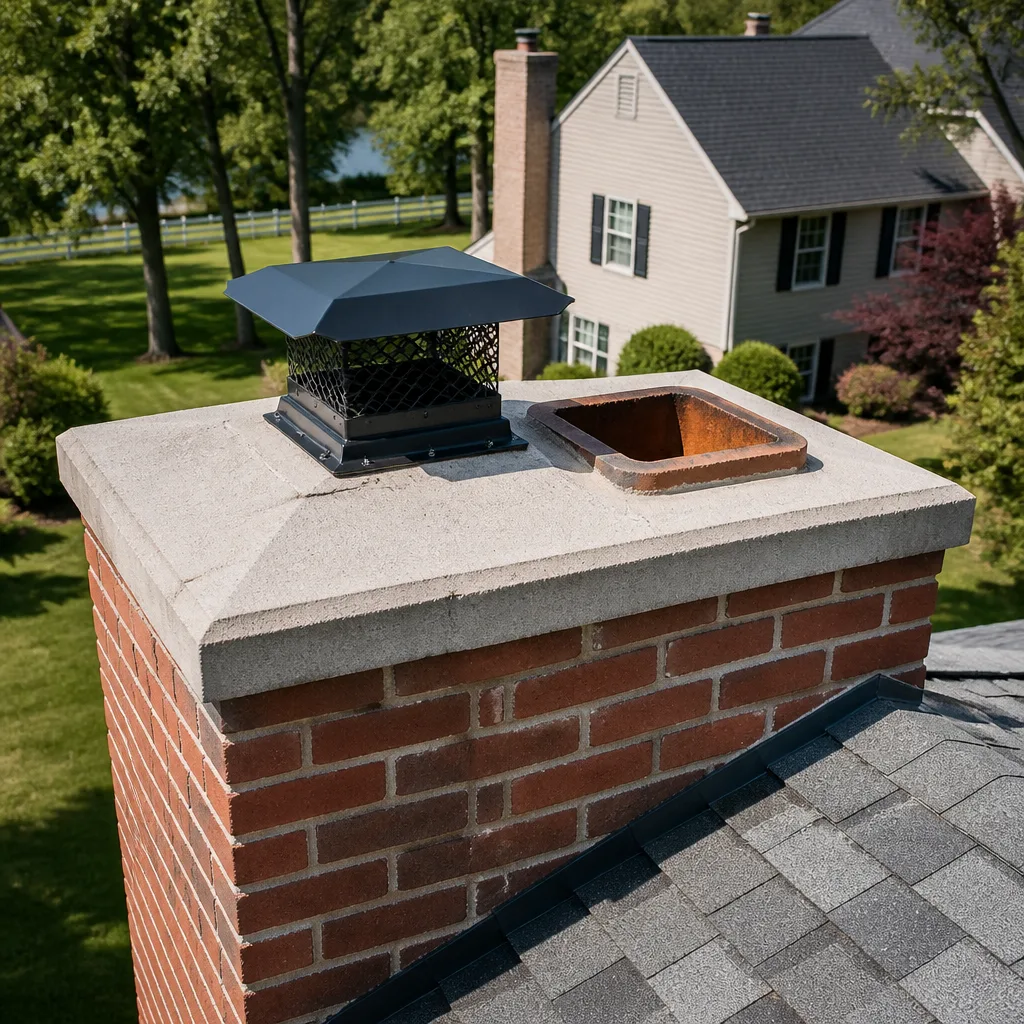 Sweep & inspection
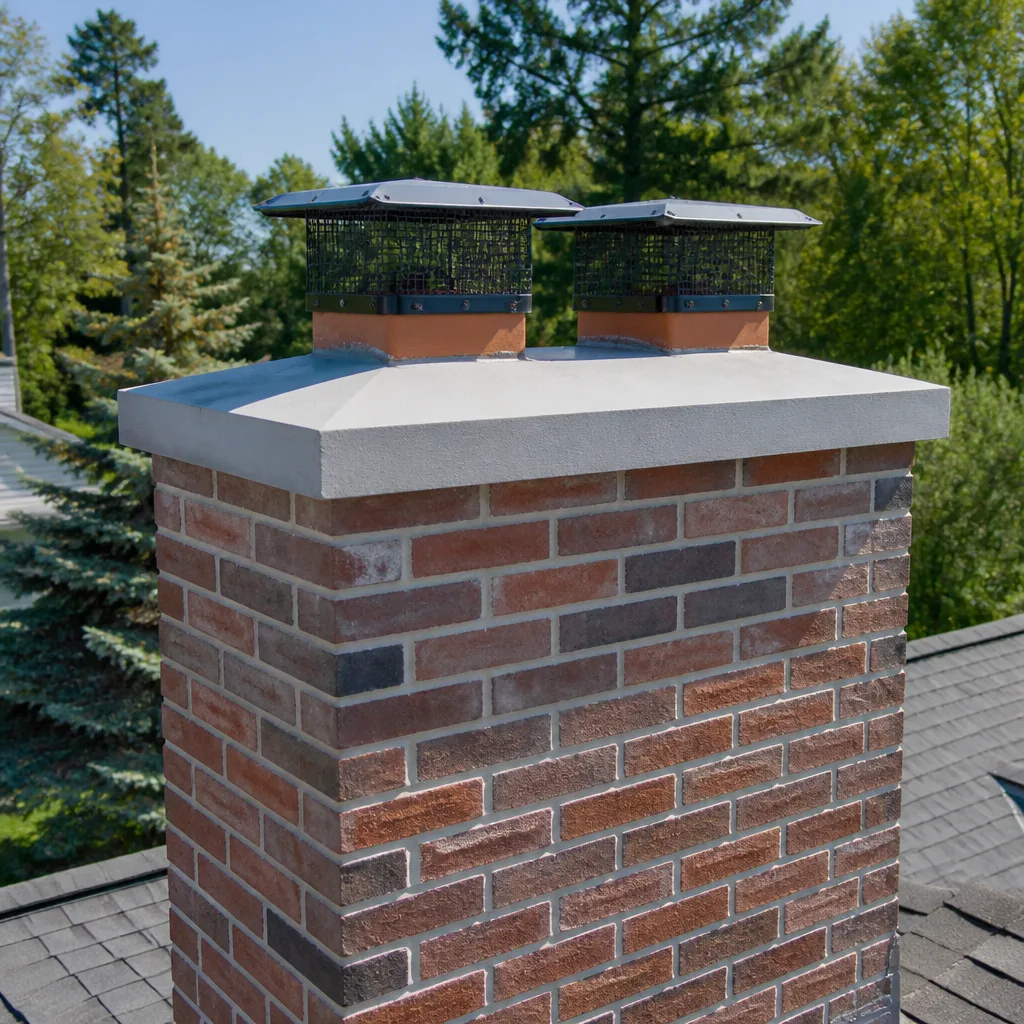 Caps & crowns
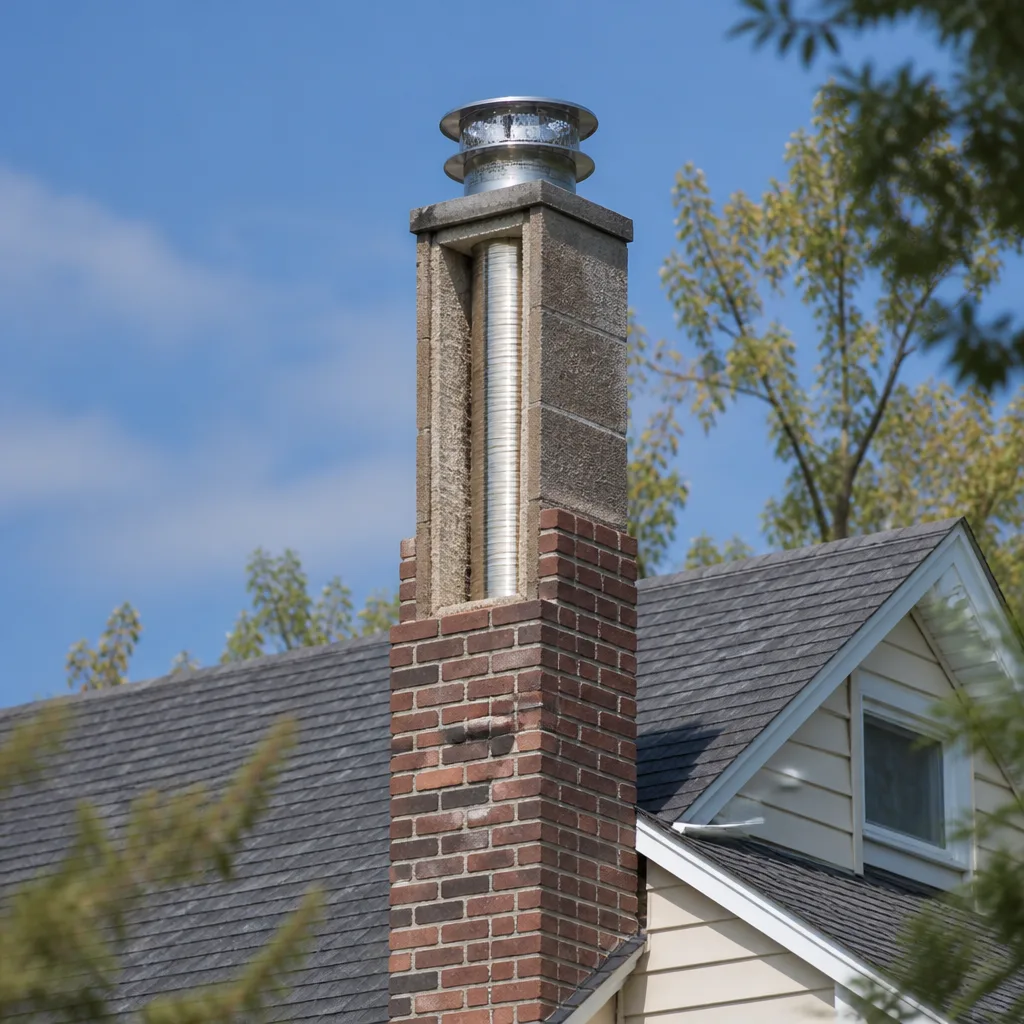 Flue relining
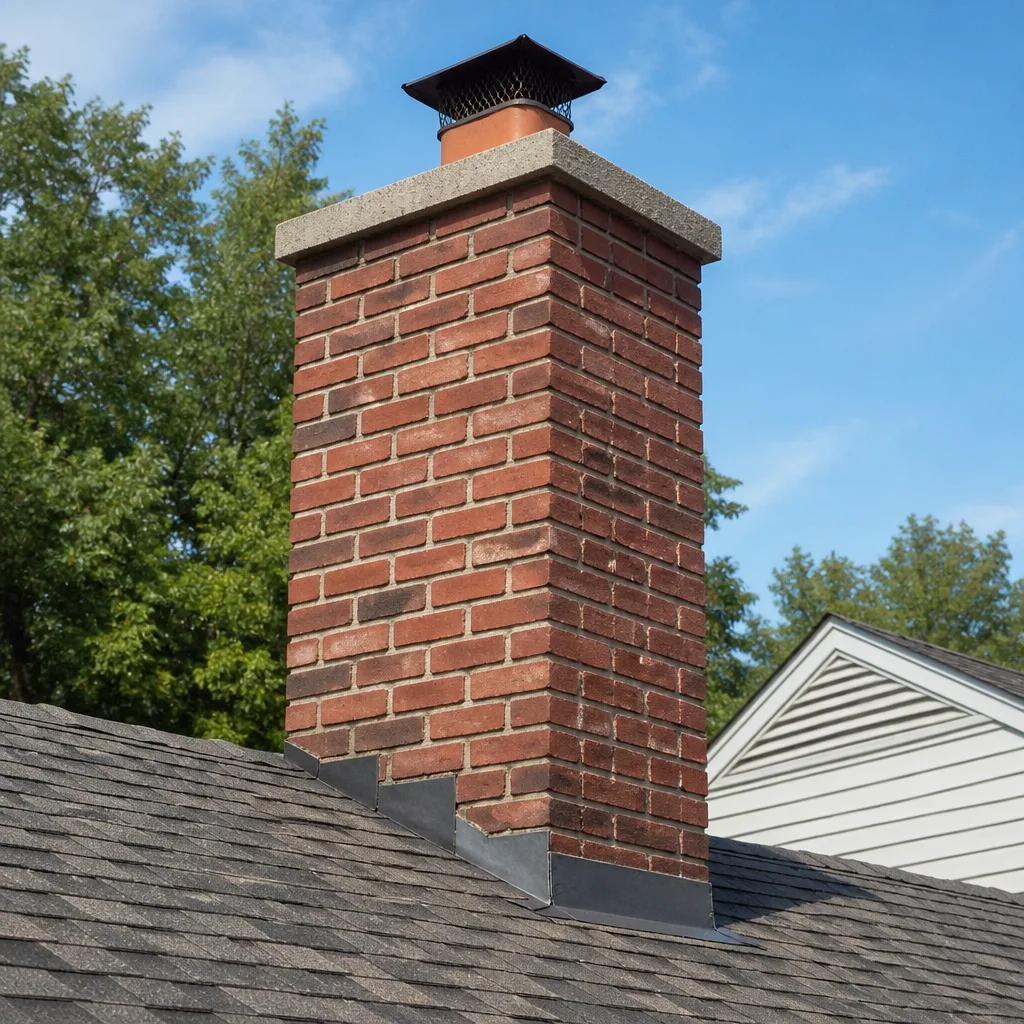 Masonry repair
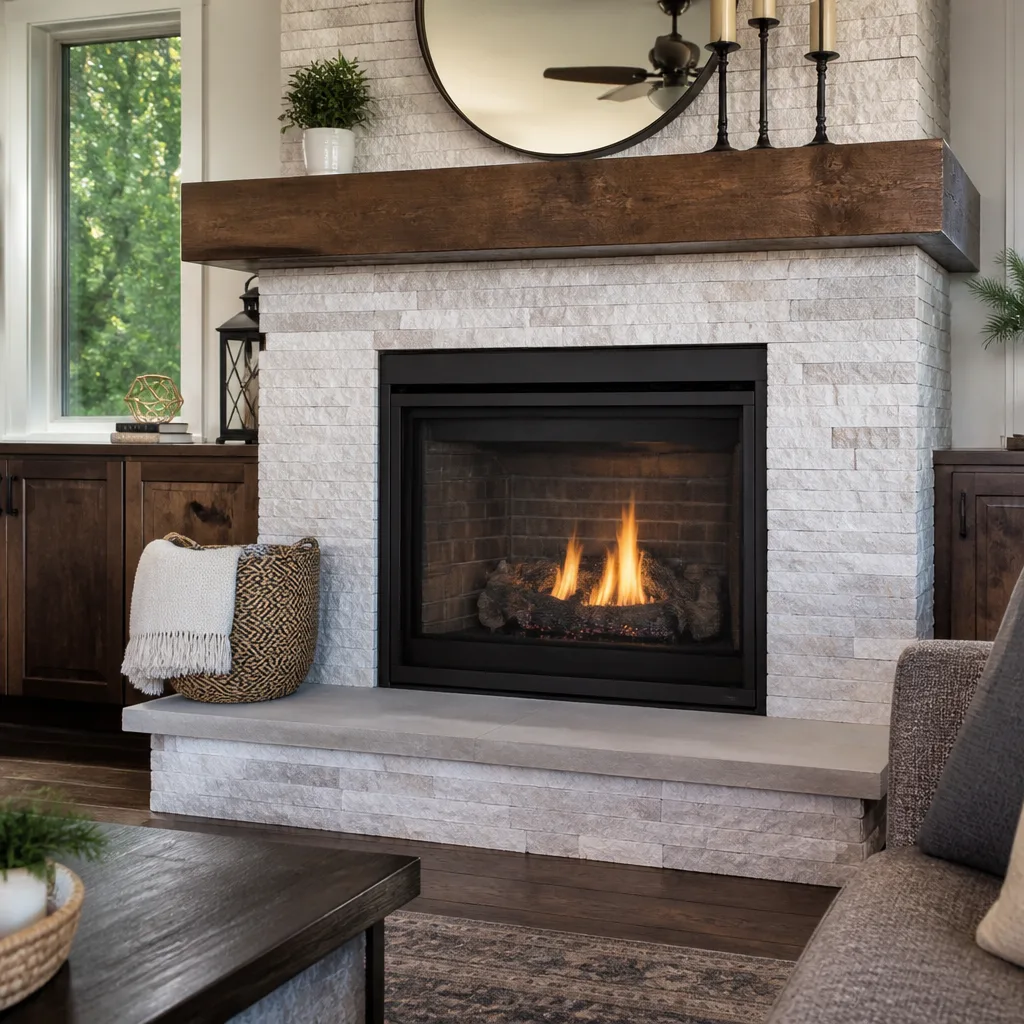 Gas fireplace service
Level 1 sweep and inspection to the NFPA 211 annual standard - flue, crown, cap, and flashing checked and photographed
Chimney sweep logs do not sweep chimneys. They loosen some creosote - which then falls where a brush and vacuum still have to collect it.
Chimney Cleaning Permits, Codes & Inspections in Lewisville, TX: What You Need to Know
No permit is needed to clean your chimney. That part is simple. But if the sweep finds a cracked liner and the repair gets done without one, you may own an improvement your insurance company won’t cover, and your next buyer’s inspector will flag it. The permit question almost never comes up at the cleaning stage. It comes up after, when the camera shows what’s actually wrong inside the flue. This guide maps exactly where that line sits in Lewisville: which chimney repairs need a City of Lewisville building permit, which ones fall under routine maintenance exemptions, how the International Residential Code and NFPA 211 interact with local enforcement, and what the inspection process looks like once a permit is pulled.
Styles & brands we work with
- Sweep & inspection
- Caps & crowns
- Flue relining
- Masonry repair
- Gas fireplace service
Quick Answer
Chimney cleaning in Lewisville, TX does not require a permit. Sweeping, brushing, and camera inspection are routine maintenance. Structural chimney repairs usually do require a City of Lewisville building permit, including liner replacement, firebox rebuilds, major masonry work, and new cap or chase-cover installations that alter the structure. NFPA 211 sets the national chimney standard; the International Residential Code, as adopted and locally amended in Lewisville, sets the enforceable building rules. A qualified contractor should be able to tell you which one applies to your job before any work starts.
Table of Contents
- Where the Permit Line Actually Sits in Lewisville
- IRC and NFPA 211: How the Two Standards Work Together
- Which Chimney Repairs Need a Permit and Which Don’t
- The Inspection Process for Permitted Chimney Work
- How Unpermitted Chimney Work Shows Up at Resale
- Inspection-Grade Diagnostics: What a Real Sweep Should Catch
- How to Vet a Chimney Contractor for Code Work in Lewisville
- Common Mistakes to Avoid
- When to Call a Professional
- Frequently Asked Questions
- The Bottom Line
Where the Permit Line Actually Sits in Lewisville
Lewisville enforces the International Residential Code as its base residential building standard, and chimney work falls under that code’s chapter on chimneys and vents. The permit office treats a chimney sweep the same way it treats a duct cleaning or a carpet cleaning: it’s maintenance, not construction. Nobody at the city wants a permit application for brushing soot out of a flue.
The line moves when the job changes the physical system. Once a contractor cuts into the chimney, replaces a liner, rebuilds a firebox, or hangs a new cap that changes the flue’s geometry, the work becomes an alteration to the structure. That’s where Lewisville’s permit thresholds apply.
A useful way to think about it: if the repair could fail and let combustion gases into the house, it’s permit territory. If it only removes buildup from an intact system, it isn’t. In our experience, the confusion comes from homeowners assuming the whole visit is one category or the other. A sweep and a liner replacement are different jobs under the code, even when the second one follows the first by an hour.
If you’re unsure which side of the line your situation falls on, the City of Lewisville’s building department can answer the question directly, and a good contractor will confirm it before writing the estimate. We build permit status into the scope of work on every repair estimate, so there’s no ambiguity later.
IRC and NFPA 211: How the Two Standards Work Together
Two documents govern chimney work in Lewisville, and they don’t replace each other. The International Residential Code, as adopted by Texas and amended locally, is the enforceable building code. NFPA 211 is the national standard for chimneys, fireplaces, vents, and solid-fuel appliances. The IRC often points to NFPA 211 for the technical detail rather than restating it.
That relationship matters for homeowners because a contractor who cites only one is probably missing requirements from the other.
- The IRC tells you what’s legal to build, what needs a permit, and what a city inspector will check at final.
- NFPA 211 tells you what a chimney should look like when it’s functioning safely: clearances to combustibles, liner integrity, flue sizing, and the conditions that trigger a level-two or level-three inspection.
- Local amendments can tighten either one. Lewisville’s amendments to the IRC cover the specific rules the city enforces on top of the base code.
A liner replacement, for instance, has to be sized according to the appliance’s flue requirements (NFPA 211 territory) and installed to code with correct clearances and a proper termination (IRC territory). If the contractor only talks about one, ask about the other.
This is also why the brand of material matters. We work with the same materials chimney engineers specify, including DuraFlex flexible stainless liner systems and HeatShield ceramic flue resurfacing products. Those materials are designed to hit both sets of requirements. A generic liner installed by a generalist who doesn’t read either standard carefully tends to satisfy neither.
Which Chimney Repairs Need a Permit and Which Don’t
Here’s the practical breakdown we use when scoping chimney work in Lewisville. Permit rules can shift with the city’s interpretation, so treat this as a working guide and confirm the specific job with the building department.
Typically no permit required (routine maintenance)
- Chimney sweeping and creosote removal
- Camera inspection (level one through level three)
- Minor mortar repointing on exterior joints
- Replacing a spark arrestor or screen on an existing cap
- Sealing a chase cover that hasn’t been replaced
Typically requires a City of Lewisville building permit
- Liner replacement, including flexible stainless systems
- HeatShield ceramic flue resurfacing when it changes the flue’s rated size
- Firebox rebuilds and firebox panel replacement
- Major masonry reconstruction of the chimney stack
- New cap or chase-cover installation that alters the structure or flue termination
- Adding a new appliance connection to an existing flue
- Converting from wood-burning to a gas insert where venting changes
The pattern is consistent: anything that changes how the chimney is built or what the flue is rated for gets a permit. If you’re looking at a chimney repair that involves a liner, a rebuild, or a material change to the flue, ask about the permit before you approve the work. A contractor who waves off the question is telling you something about how the job will be documented.
The Inspection Process for Permitted Chimney Work
Once a chimney repair gets a permit, the city inspection process kicks in. Here’s roughly how it runs, in the order you’ll encounter it.
- Permit application. Your contractor submits the scope of work, usually with a description of the repair, the materials being used, and sometimes photos or the inspection report that flagged the problem.
- Permit issued. The city issues the permit, which may be posted on site or kept with the job paperwork.
- Rough-in inspection. For work like liner installation or firebox rebuild, the inspector checks the assembly before it’s closed up. That means liner materials, clearances, and how the flue terminates.
- Final inspection. After the work is complete, the inspector confirms the chimney meets the permitted scope and the applicable code sections.
- Closeout. The permit is closed, and you should keep the paperwork with your home records alongside the contractor’s written estimate and inspection report.
Timelines vary with the city’s workload and the complexity of the job. Interior liner work is usually faster to inspect than a full masonry rebuild, which may need multiple inspections at different stages. If the job involves staging materials at the roofline, plan for a small amount of schedule flexibility.
One thing homeowners in Lewisville ask us often: who actually inspects the work? In Lewisville it’s a city building inspector, not the contractor. The contractor’s role is to prepare the work correctly and be on site for the inspection. The contractor’s own inspection report – the level one, two, or three report from NFPA 211 – is a separate document. It’s the diagnostic evidence that justifies the repair in the first place, and it’s the piece a city inspector never sees. Keeping both sets of documents together is what protects you at resale.
How Unpermitted Chimney Work Shows Up at Resale
This is where the permit question gets expensive. A home inspector running through a Lewisville house before sale will typically check the chimney for signs that recent work happened without documentation.
What the inspector looks for on a pre-sale walkthrough:
- New liner material visible at the top or in the firebox with no permit record
- Fresh masonry or mortar on a chimney that should have a city inspection record
- An updated flue that doesn’t match the appliance’s age or venting specification
- A cap or chase cover that looks recently installed on a home where the seller’s disclosure lists no chimney work
- Missing or incomplete documentation in the seller’s property records
In Texas, seller’s disclosure forms ask about known repairs and alterations. Unpermitted chimney work creates a disclosure problem even when the seller didn’t know it was unpermitted. The buyer’s inspector flags it, the buyer’s lender may require a permit search, and the title company may push back if the improvement looks substantial. What follows is usually a scramble at the worst possible moment in the transaction: the seller or buyer has to either pull a retroactive permit, pay for a level-two inspection to certify the work, or negotiate a credit into the closing.
Insurance is the second half of the problem. Many homeowner policies require permitted work as a condition of coverage for structural or system-level improvements. A fire that starts in an unpermitted flue can be a coverage dispute, which is a sentence nobody wants to read in a claim letter. The specific policy language varies by carrier, so read your own policy and ask your agent if you’re unsure.
If you live in one of Lewisville’s older neighborhoods, like Old Town or the streets near Lewisville Lake, your chimney may have had work done decades ago by contractors who didn’t pull permits. That’s not a crisis. It’s a reason to get a level-two inspection before you sell, so you know what the buyer’s inspector will find and can choose how to handle it.
Inspection-Grade Diagnostics: What a Real Sweep Should Catch
A sweep without an inspection misses hidden deterioration. The soot gets cleared, the fire burns again, and the cracked liner behind the firebox wall goes undiagnosed until something else reveals it. Our standard is to connect the two steps by default, because a sweep that only cleans is half a job.
Here’s what an inspection-grade sweep looks like when it’s done properly:
- Exterior inspection. Check the chimney crown, masonry joints, flashing, and cap for cracks, spalling, or missing components.
- Firebox and damper check. Look for deteriorated firebrick, missing mortar joints, and a damper that doesn’t seal.
- Flue camera inspection. Run a video camera through the full length of the flue to find cracks, gaps, offsets, and liner deterioration that aren’t visible from the top or bottom.
- Creosote assessment. Grade the creosote at stage one, two, or three, and note where it’s concentrated.
- Draft test. Confirm the chimney is drawing properly and not running with negative draft pressure.
- Photo report. Document findings with photographs so you can see exactly what the technician saw.
We use professional-grade materials from brands like Copperfield, DuraFlex, Gelco, HeatShield, Olympia Chimney, and Famco for repairs because we’ve learned that recommendations are only as good as the material available to fix them. When the camera shows a cracked liner in one section, a flexible stainless system like DuraFlex and a HeatShield ceramic resurfacing product are two different solutions for two different failure modes. Knowing both means we’re not upselling a full replacement when resurfacing will extend the liner’s life safely.
When you book a chimney sweep, ask whether the camera inspection and photo report are included or whether they’re an add-on. The answer tells you a lot about the diagnostic level of the visit.
How to Vet a Chimney Contractor for Code Work in Lewisville
Not every chimney contractor is set up to do permitted code work. Here’s what to ask before you hire.
- Do you pull permits for repairs, and who handles the application? A contractor who says permits are “usually not needed” for a liner replacement is not who you want on a permitted job.
- Are your technicians familiar with both the IRC and NFPA 211? If they can name the inspection levels without prompting, that’s a decent signal.
- What brands do you work with? If the answer is a single in-house generic, ask how the material is rated for your specific appliance.
- Do you provide a written inspection report with photos? The photo report is what justifies the repair and what protects you later.
- Is the estimate in writing, with the permit scope and inspection schedule included? The written estimate sets the final price. Anything else is a verbal ballpark.
Our technicians have up to 14 years of experience, and we work with the same materials chimney engineers specify. We can answer a question about liner sizing or flue resurfacing without painting a picture of what could go wrong. That level of specificity is what a code-sensitive job requires.
One additional question worth asking: does the contractor do the sweep, the inspection, and the repair in-house, or are they subbing pieces out? In our view, coordinating a sweep through one company and a liner through another is how permits fall through the cracks. When the same team sees the flue at cleaning, documents the problem, and installs the fix, the paperwork stays coherent.
For homeowners comparing Lewisville providers, our guide to the Lewisville service area covers what to expect from a full-service visit versus a basic brush-out.
Common Mistakes to Avoid
- Assuming the sweep will handle the permit. The cleaning part never needs one. The repair part might, and it’s your job to confirm the contractor is pulling it for the scope of work that’s actually being done.
- Approving a liner replacement based on a verbal diagnosis. Insist on the camera footage and the photo report before you sign off on a repair.
- Assuming one inspection covers everything. Some permitted repairs need a rough-in plus a final inspection. An interior liner and a full masonry rebuild are not the same schedule.
- Missing the permit at resale. Keep every inspection report, permit document, and contractor estimate with your home records. Buyers ask, and inspectors find what you don’t have.
- Hiring a generalist for a code job. A handyman can handle a cap reseal. A liner, a firebox rebuild, or a flue resurfacing belongs with someone who knows the IRC and NFPA 211 and works with professional-grade materials.
- Burying the customer in a “you need everything” pitch. Ask for the specific failure mode from the camera and photo report. If it just says “liner needs replaced” without a documented cause, push back.
- Skipping the inspection because the sweep came back clean. Soot level and chimney condition are not the same thing. A clean flue can still have a cracked liner, and only the camera tells you.
When to Call a Professional
Call us before you do anything on your own in these situations:
- You see rust, water staining, or soot streaking on the firebox or the exterior chimney brick.
- The damper won’t close and seal, or it feels loose or detached.
- Smoke backs up into the room when you light a fire or the fire struggles to draw.
- You’ve had a chimney fire, even if it seemed to go out on its own.
- The flue has never been camera-inspected and you don’t know the liner’s condition.
- You’re planning a home sale in Lewisville and want to know what an inspector will find before the buyer’s inspector gets there.
- You’re buying a home and the seller’s disclosure lists “chimney work” without documentation.
Chimneys are a life-safety system, and a liner failure or a blocked flue doesn’t announce itself with a warning. If any of the above applies, get a professional on it. Lewisville Chimney Sweep offers free estimates in Lewisville. Call (888) 424-2086. We answer 24/7. Fast dispatch from 7am to 7pm, Sunday through Friday.
Frequently Asked Questions
No. Chimney cleaning, sweeping, and camera inspection are routine maintenance and don’t require a City of Lewisville permit. Repairs discovered during the sweep, such as liner replacement or firebox rebuilds, typically do require a permit. Call (888) 424-2086 for an exact quote on either service.
In most cases, yes. Liner replacement changes the structure of the chimney and is considered an alteration, not routine maintenance, so a City of Lewisville building permit applies. Confirm the specific scope with the building department before the job starts. If you’re not sure what your liner needs, call (888) 424-2086 for a free estimate.
The IRC, as adopted and amended locally, is the enforceable building code that determines what’s legal and what needs inspection. NFPA 211 is the national chimney standard that specifies how the chimney functions safely. The IRC often references NFPA 211 rather than restating it, so both apply to any permit-level repair. Call (888) 424-2086 if you want to talk through a specific situation.
A wood-burning chimney should be swept and inspected annually, plus any time creosote buildup reaches stage two or stage three. Gas appliances need an annual check as well, with the inspection interval set by the inspection level the technician recommends. Lewisville’s mild winters mean fires tend to be shorter and more intermittent, which can still load the flue with creosote across the season. Call (888) 424-2086 to book a sweep.
It often does. Home inspectors look for signs of recent chimney work that don’t match the property records, and lenders and title companies may require documentation for major improvements. The cleanest fix is to get a level-two inspection before listing, so you know what’s there and can pull a retroactive permit if needed. Call (888) 424-2086 for a pre-sale inspection.
A full-service contractor can handle the sweep, the inspection, the permit, and the repair under one roof, which keeps documentation consistent. Splitting the job between a sweep-only company and a separate repair contractor is where permits and records usually get lost. If you’re looking for a sweep-to-repair visit in Lewisville, call (888) 424-2086 for a free estimate.
The Bottom Line
Chimney cleaning in Lewisville doesn’t need a permit. The repairs that cleaning often uncovers might. Liner replacements, firebox rebuilds, major masonry work, and structural cap installations almost always fall under City of Lewisville permit requirements, and going without one can cost you at insurance claim time and again at resale. The two standards that govern chimney work – the IRC and NFPA 211 – are both in play, so a contractor citing only one is likely missing the other. Get the camera inspection, keep the photo report, confirm the permit status before work begins, and use a full-service contractor who can handle the sweep and the repair without handing you off.
Whether you’re due for a routine Lewisville Chimney Sweep visit or you’re staring down a repair estimate you’re not sure about, we can help you sort out what’s code, what’s maintenance, and what can safely wait. Call (888) 424-2086 for a free estimate. We answer 24/7. Fast dispatch from 7am to 7pm, Sunday through Friday.
Written by the team at Lewisville Chimney Sweep.
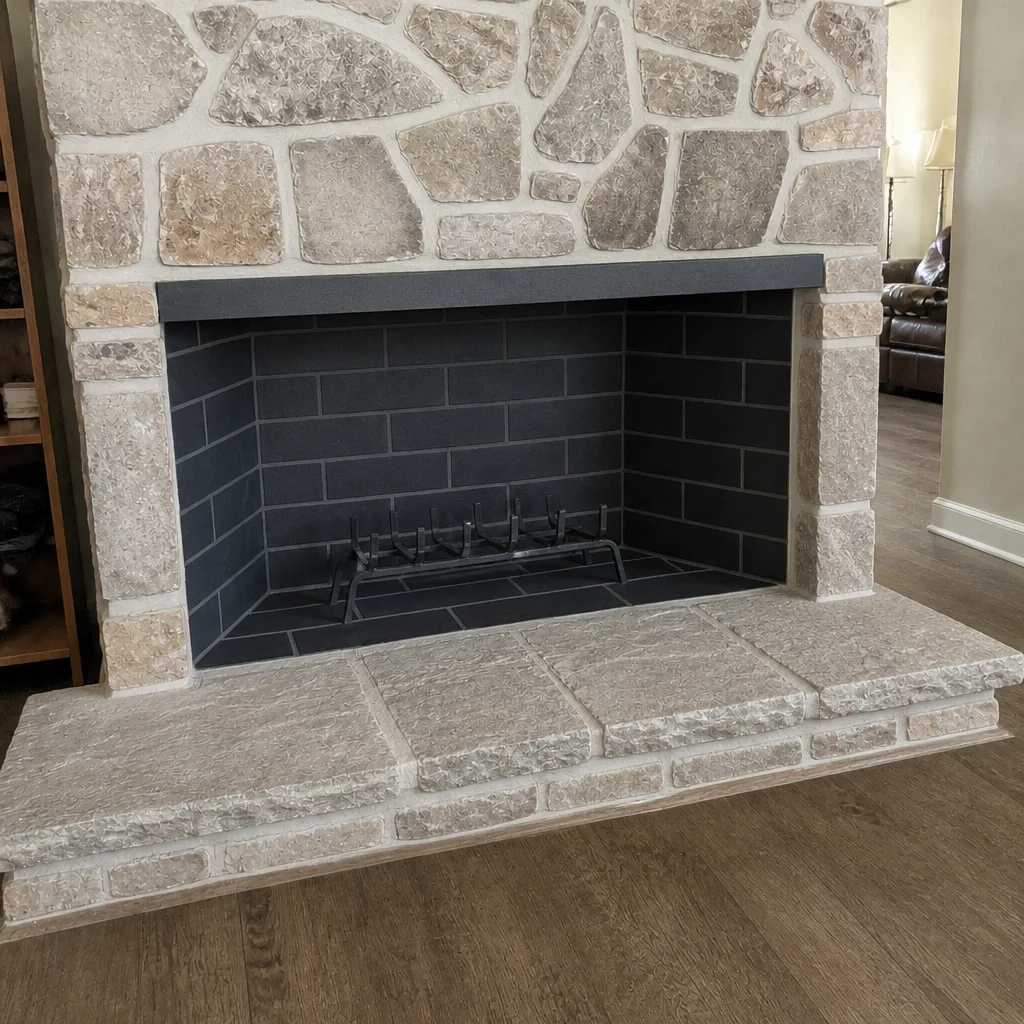
See the difference
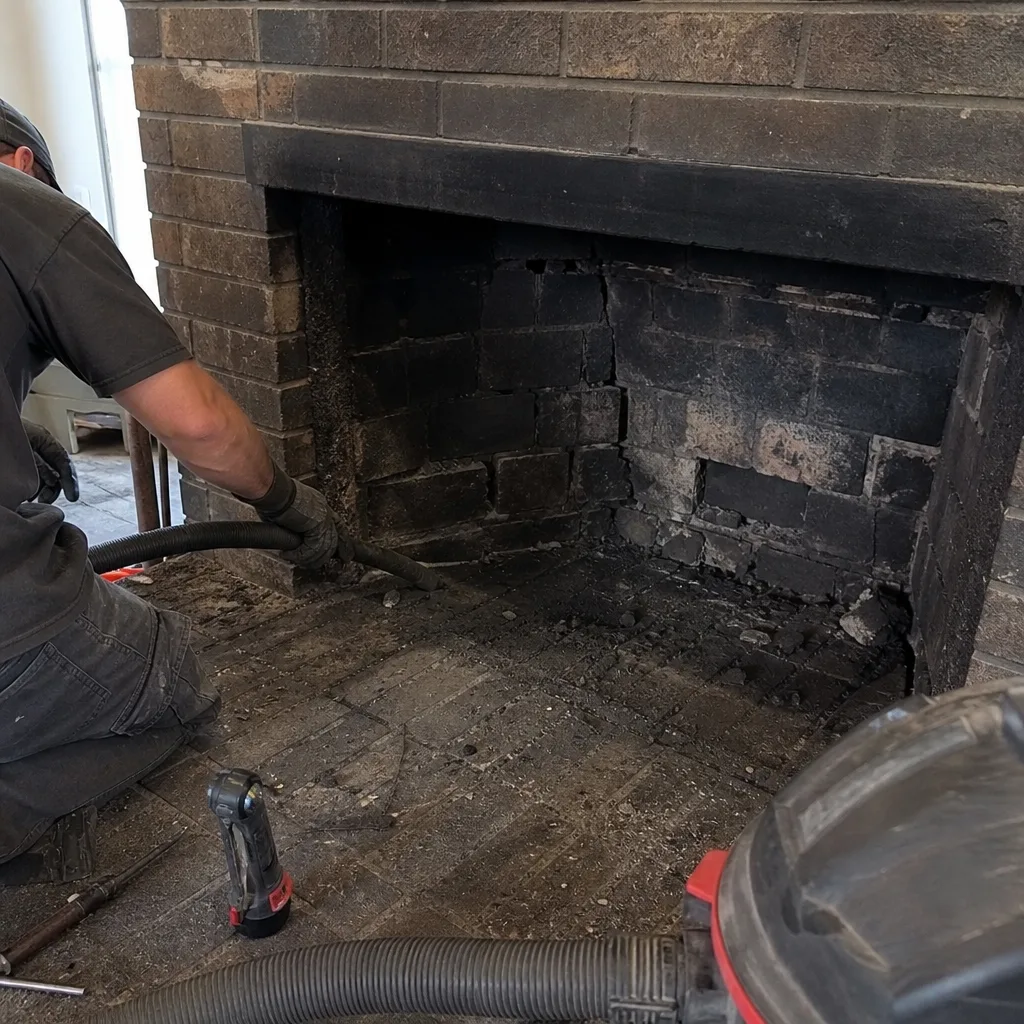 Before
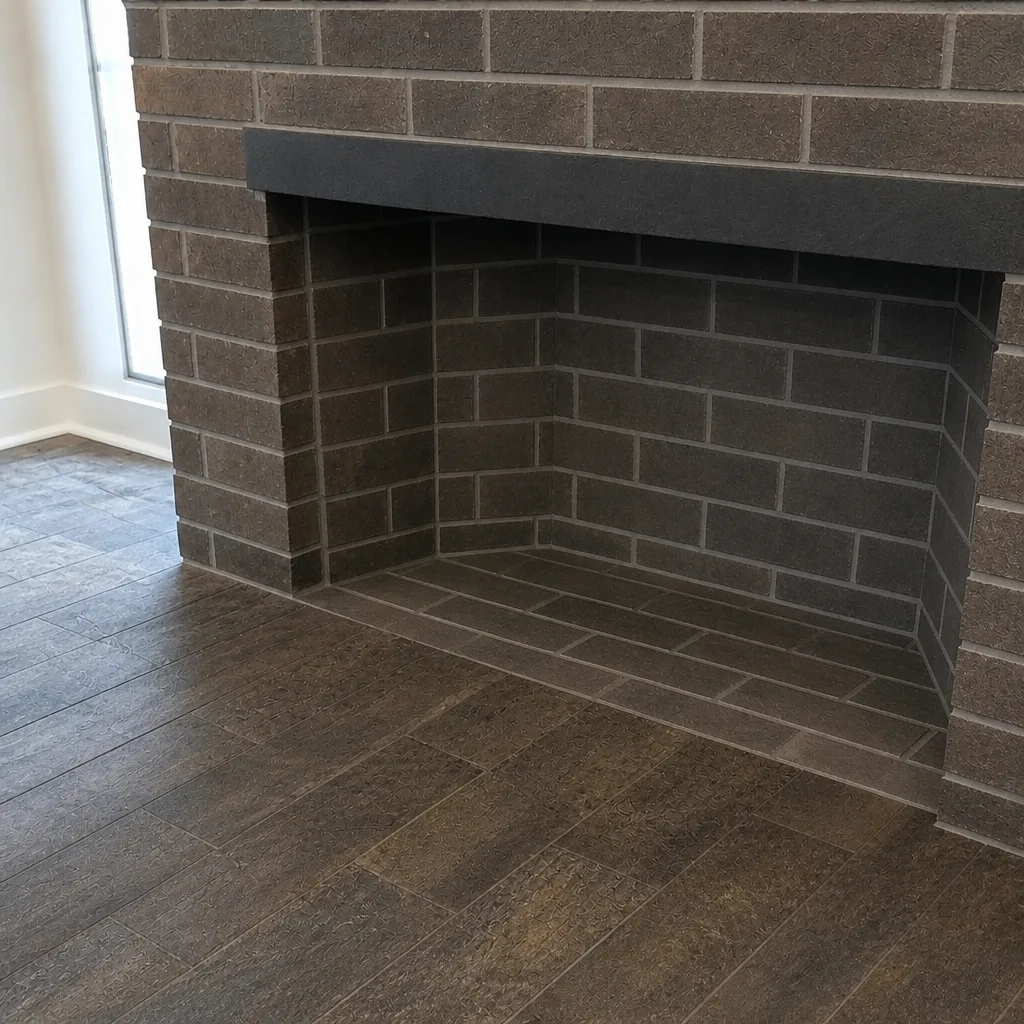 After
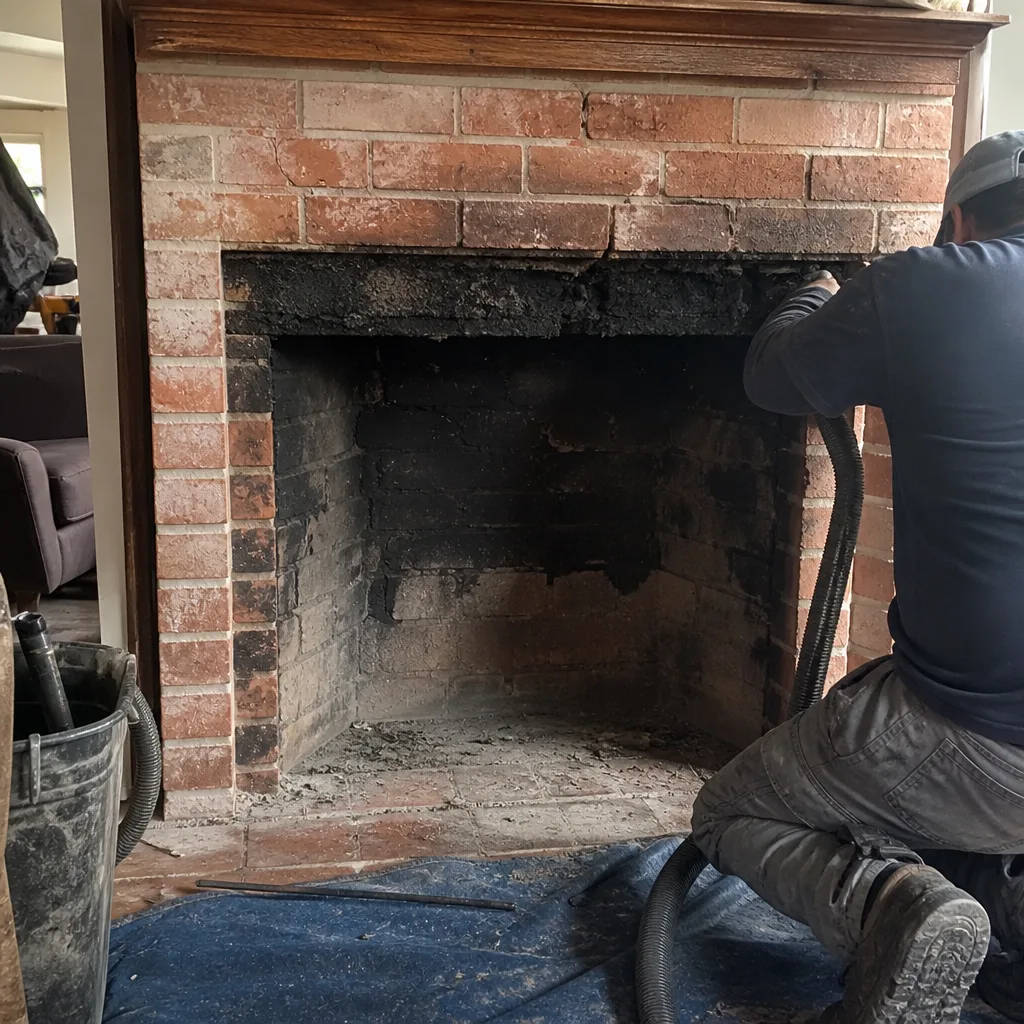
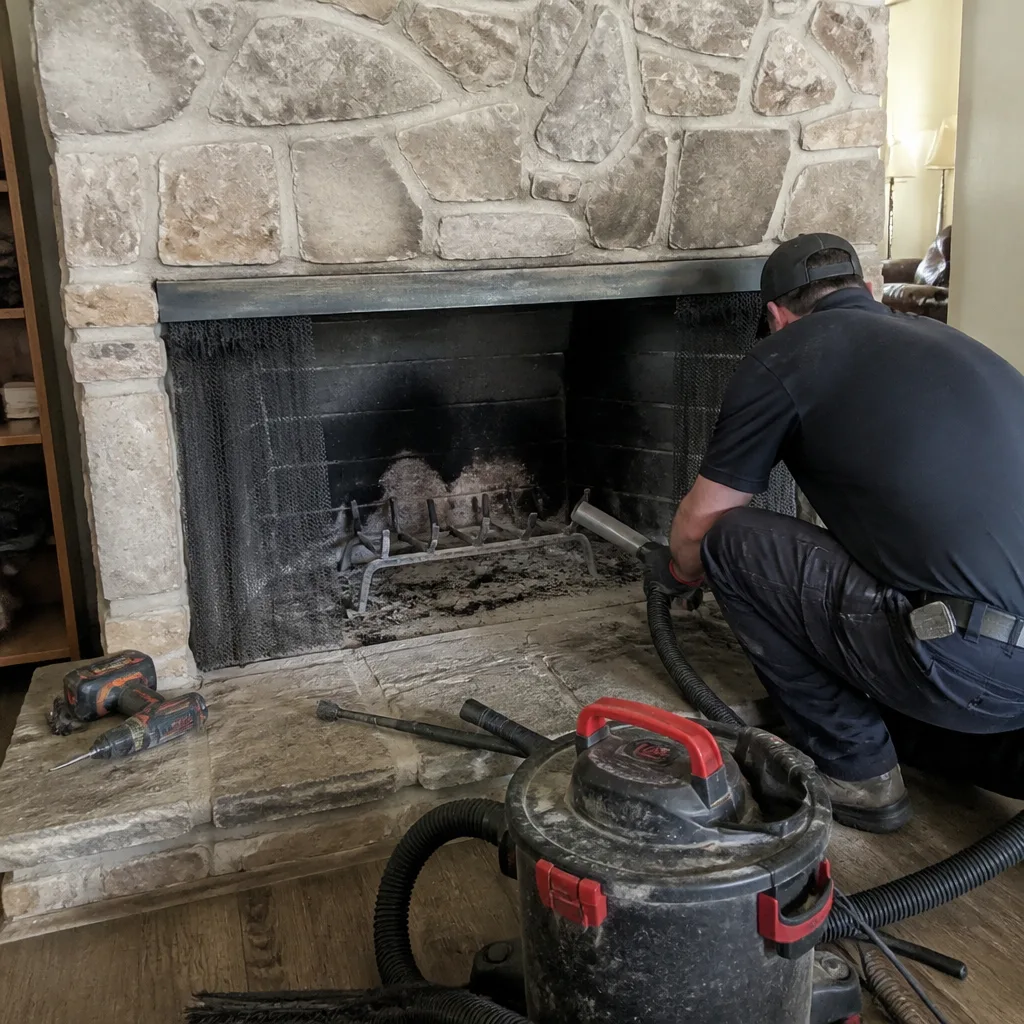 Before
 After
 Before
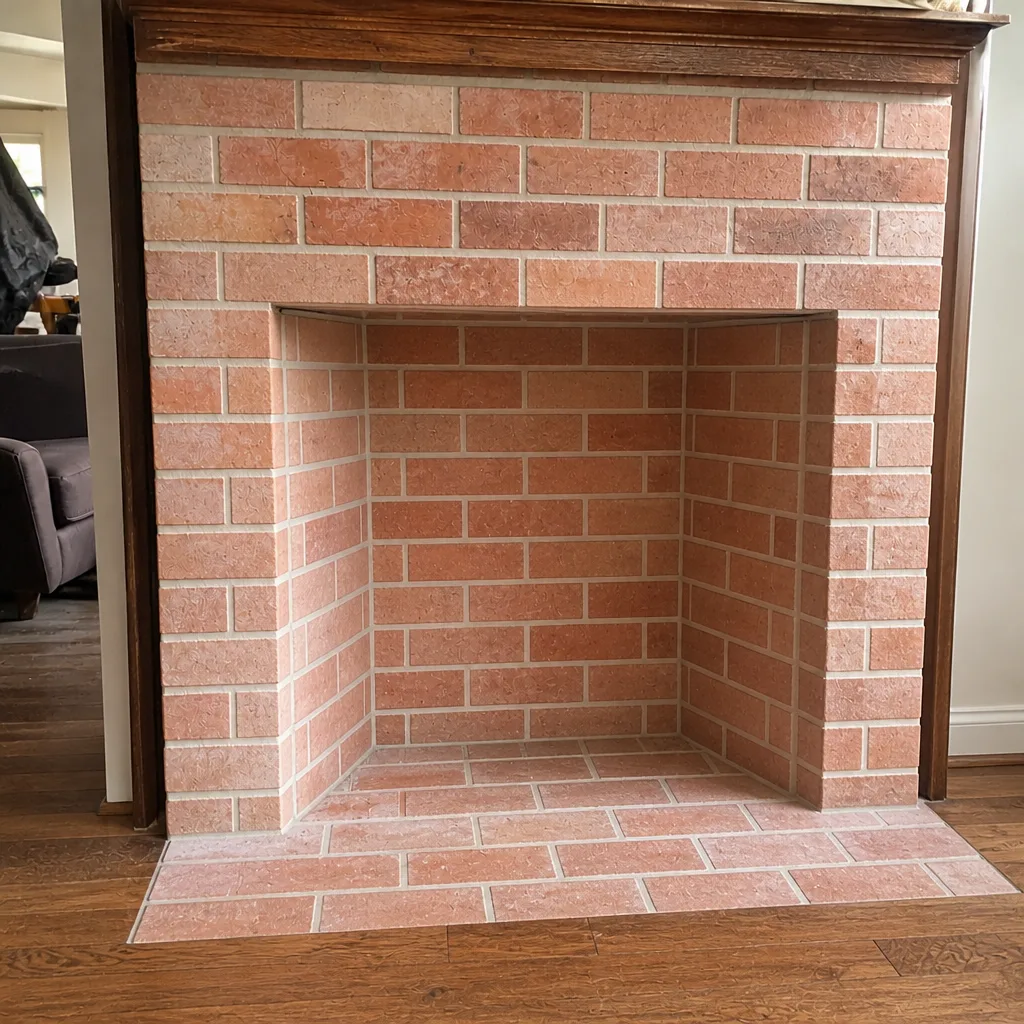 After