
Last updated November 15, 2026
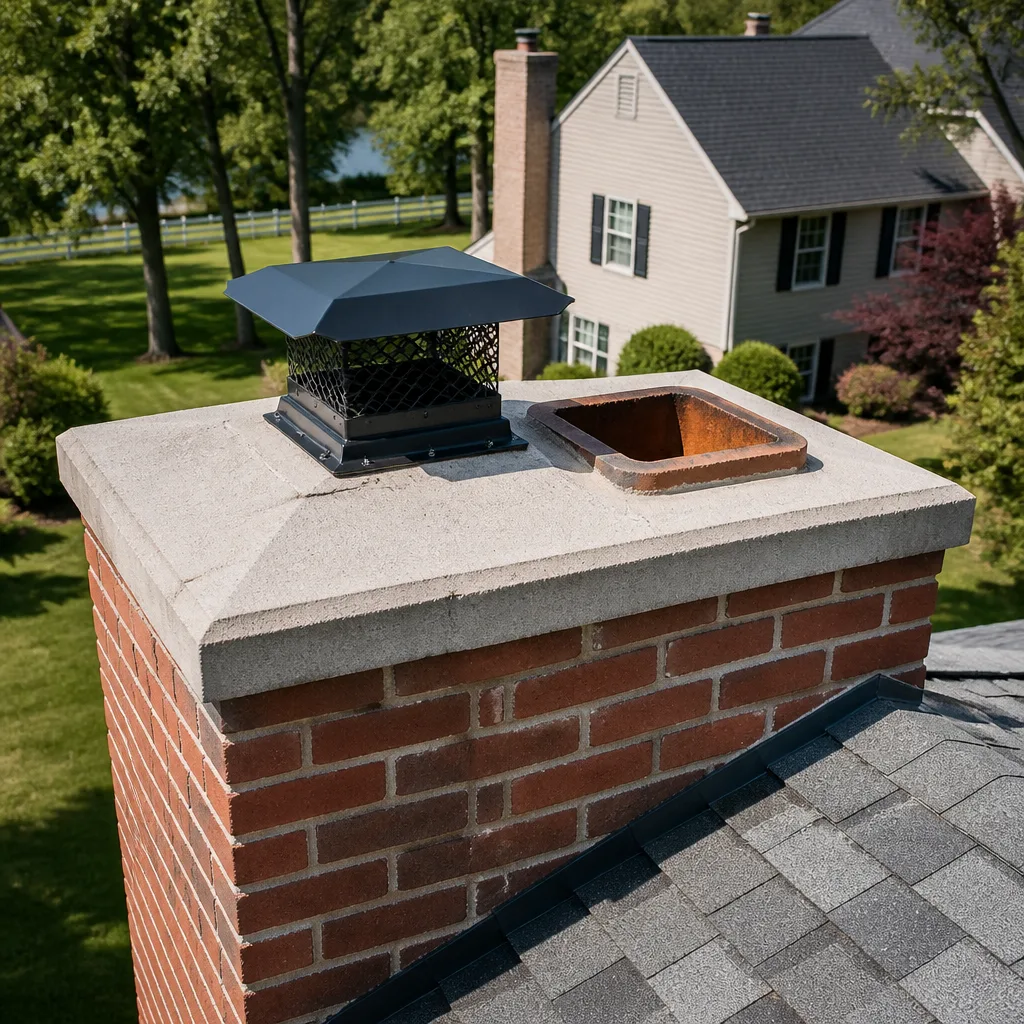 Sweep & inspection
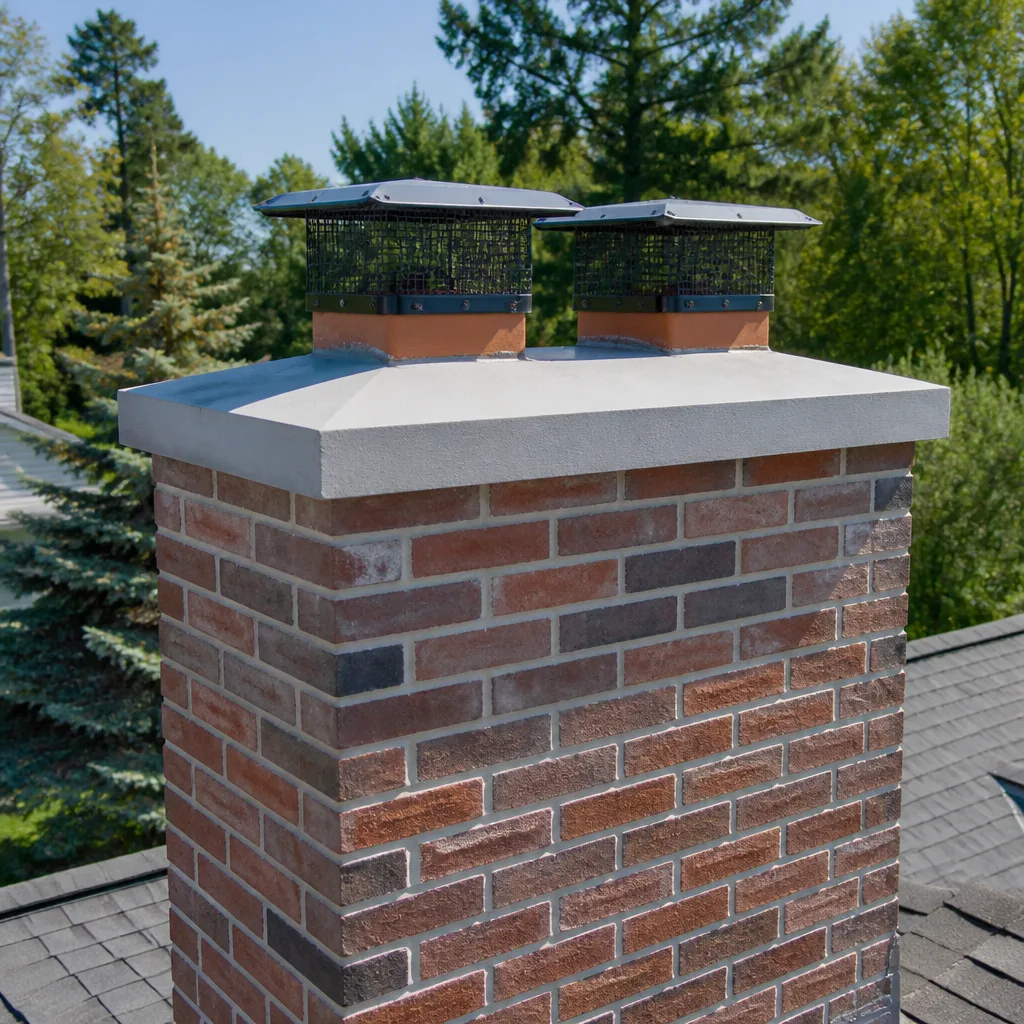 Caps & crowns
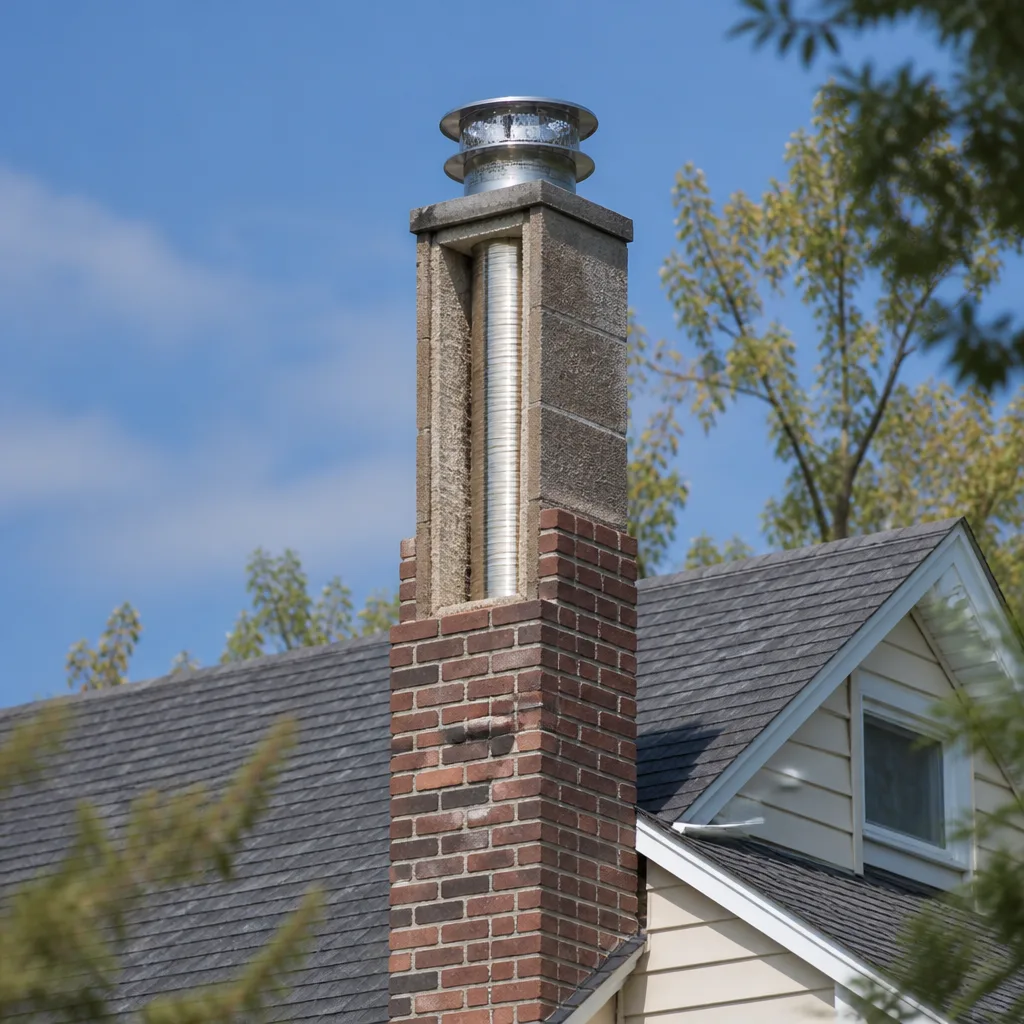 Flue relining
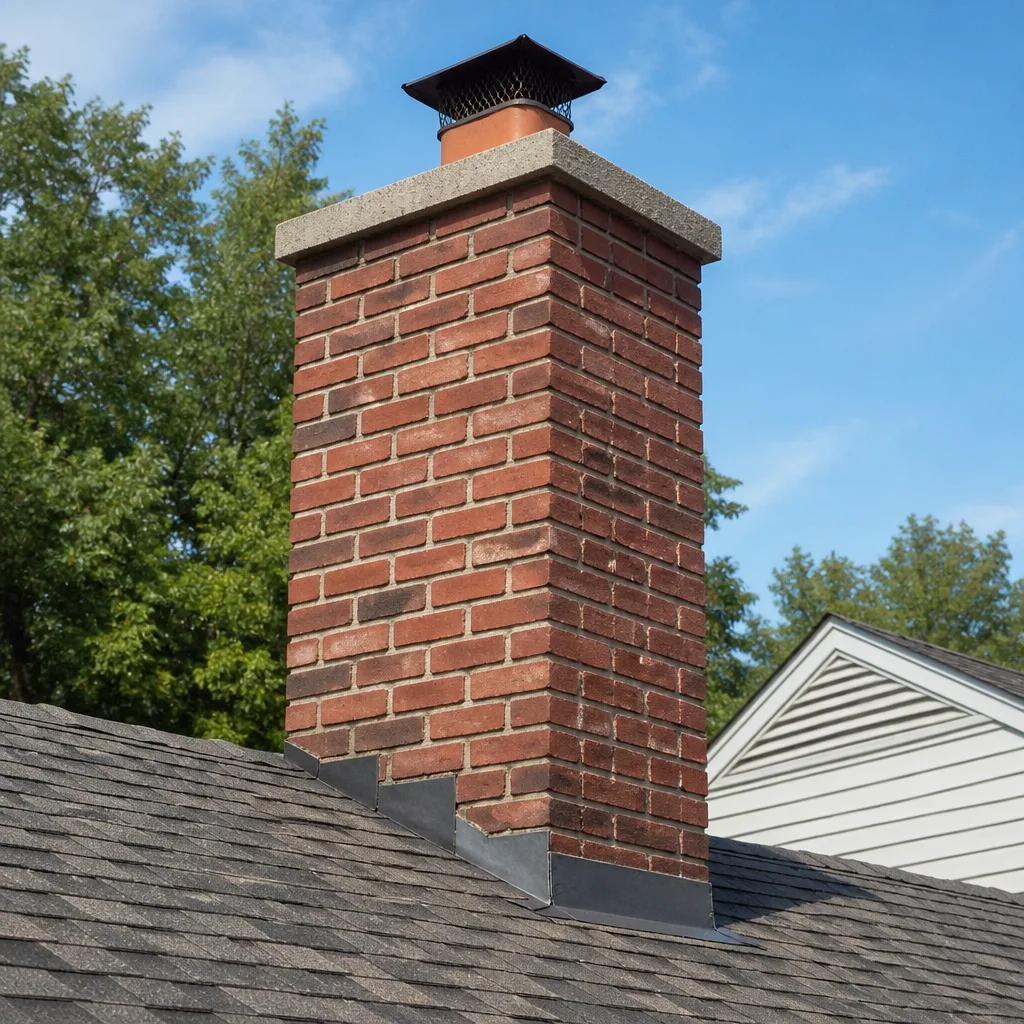 Masonry repair
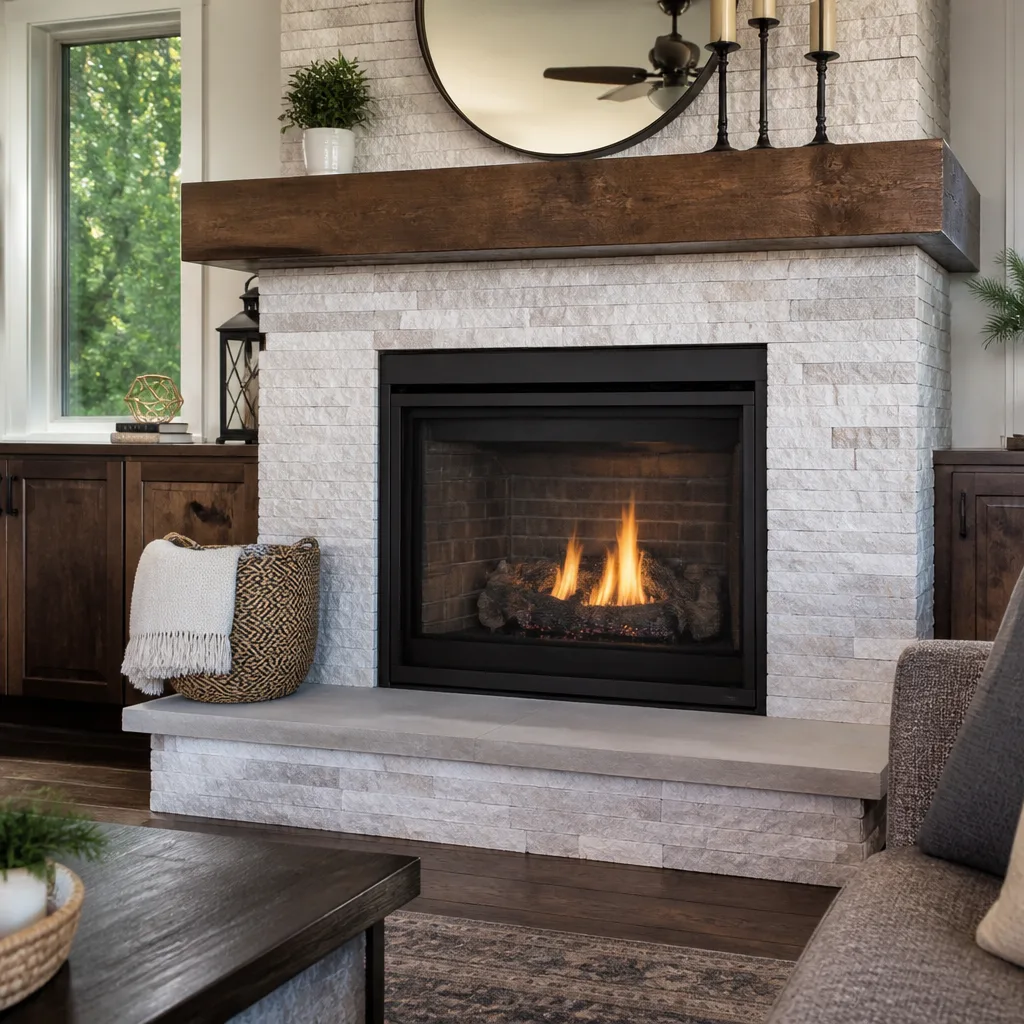 Gas fireplace service
Level 1 sweep and inspection to the NFPA 211 annual standard - flue, crown, cap, and flashing checked and photographed
Chimney sweep logs do not sweep chimneys. They loosen some creosote - which then falls where a brush and vacuum still have to collect it.
Chimney Sweep Maintenance Schedule: What to Do and When
The annual chimney sweep is the most repeated piece of advice in this trade, and it’s also the most misleading. That once-a-year recommendation was written for a hypothetical average household, and there is no such thing as an average fireplace. A Lewisville homeowner running three fires a week on unseasoned oak accumulates creosote at a rate that would make an annual sweep negligent. A homeowner who lights four fires a season on kiln-dried hardwood could go two years between cleanings without troubling anyone. Frequency of use, wood species, and the material inside your flue all shift the timeline. This guide gives you a real schedule, tied to what actually happens in your firebox.
Quick Answer
How often should a chimney be cleaned in Lewisville TX? For most households, sweep when the flue has built up 1/8 inch of creosote, which usually lands between every cord and every two cords of wood burned. Get a professional inspection once a year regardless of how much you burn, and clean more often if you burn unseasoned wood, burn frequently, or run an older masonry flue. Heavy users should schedule both an inspection and a sweep each autumn, before the first cold snap.
Styles & brands we work with
- Sweep & inspection
- Caps & crowns
- Flue relining
- Masonry repair
- Gas fireplace service
Table of Contents
- The Usage-Based Maintenance Matrix
- Why October and November Matter in North Texas
- What to Check Between Professional Cleanings
- Masonry Maintenance Runs on a Different Clock
- The Cap and Liner Checkpoint Most Schedules Skip
- Creosote Stages and What They Mean for Timing
- Wood Choice and How It Changes Your Calendar
- Inspection Levels and When Each One Applies
The Usage-Based Maintenance Matrix
The single biggest variable in any chimney schedule is how much you actually burn. We’ve seen fireplaces in Lewisville that get lit once a season sit next to ones that run most nights from November through February, and those two chimneys need very different care. The matrix below reflects how we think about timing in the field.
- Light use (under 20 burns per season): annual inspection, sweep every other year unless the inspection shows buildup.
- Moderate use (20 to 60 burns per season): annual inspection and annual sweep, timed for early autumn.
- Heavy use (over 60 burns per season): inspection and sweep every autumn, with a mid-season visual check if you’re burning daily through January and February.
- Unseasoned wood or frequent slow, smoldering fires: shorten every interval above by roughly half, because creosote builds faster than burn count alone suggests.
Notice that the inspection interval holds steady at once a year in every tier. That’s deliberate. Inspection isn’t about cleaning; it’s about catching deterioration, and deterioration doesn’t wait for you to burn a certain number of fires. A masonry chimney in a 1980s Lewisville subdivision can develop a hairline crack in the flue tile during a single heating season, whether you burned ten fires or a hundred.
If you’re not sure which tier you fall into, keep a simple tally on a notepad by the woodpile for one winter. That one habit turns a guess into a real number, and it makes the conversation with any sweep far more useful.
Why October and November Matter in North Texas
Fall scheduling in Lewisville isn’t a matter of preference. It’s a hedge against the way winter actually arrives in the DFW area. Our cold snaps are unpredictable. A mild November can turn into a hard freeze overnight, and the first genuinely cold night is exactly when a homeowner discovers the flue is blocked, the damper is stuck, or the firebox has been quietly colonized by a bird’s nest over the summer.
That first fire of the season is the riskiest. The house is closed up, the furnace may not have been run yet, and if the flue doesn’t draft correctly, smoke and carbon monoxide have nowhere to go but back into the living space. Booking a chimney sweep in October or early November means the system has been checked and cleaned before anyone needs it under pressure.
There’s a practical reason as well. Once the first real cold front hits, everyone in Lewisville remembers their chimney at the same time. Appointments tighten, and the homeowner who waited is the one scrambling. Booking in the shoulder season gets you the date you want instead of the date that’s left.
What a fall visit should include
- A sweep of the flue to remove creosote and any nesting material or debris.
- A visual inspection of the firebox, damper, smoke chamber, and flue.
- A check of the cap and spark screen from the roof.
- A check of the exterior masonry and crown for cracks.
- A clear report on what we found and what, if anything, needs attention.
None of those steps are optional. A sweep without an inspection cleans a flue and tells you nothing about the condition of the system holding it.
What to Check Between Professional Cleanings
You don’t need tools or a ladder to stay ahead of chimney problems between professional visits. A few minutes at the firebox each month, and a glance at the exterior whenever you’re in the yard, cover most of what a homeowner can reasonably do. Think of these as early-warning checks, not maintenance.
- Look up the flue with a flashlight. A thin, sooty film is normal. A sticky, tar-like coating or a crusty, flaky layer means creosote is building and it’s time to book.
- Check the firebox walls. Look for cracks in the brick or missing mortar joints. Any crack wide enough to catch a fingernail deserves a professional look.
- Test the damper by hand. It should open and close smoothly and sit flush. A damper that sticks open or won’t seal is wasting heat and hurting draft.
- Smell for smoke when there’s no fire. A persistent smoky odor on a cold, still day is a draft or blockage signal.
- Walk the exterior once a month. Look for loose bricks, crumbling mortar, or a cracked crown, and check that the cap is still fastened and the spark screen intact.
- Watch for water stains. Dark streaks on the chimney breast or ceiling near the flue indicate a leak that needs attention before it spreads.
If any of these turn up something that concerns you, that’s the signal to book an inspection rather than to keep burning and hope. Catching a cracked flue tile or a failed crown early is far cheaper than catching it after water has worked into the surrounding structure.
Masonry Maintenance Runs on a Different Clock
Cleaning timing and masonry timing are two separate schedules, and conflating them is a common source of trouble. The flue interior needs attention based on burn volume. The masonry exterior needs attention based on weather exposure, which in North Texas means sun, wind, and the occasional hard freeze rather than the long, wet winters of colder regions.
Mortar joints, the crown, and the firebox brick should be inspected at the same annual visit that covers the flue, but repairs get planned on their own timeline. A hairline crack in the crown is a spring project, not a reason to panic in December. Spalling brick, where the face of the brick flakes away, is a sign that moisture has been getting in and freezing, and that job shouldn’t wait through another winter.
A rough masonry calendar
- Autumn: inspect mortar joints, crown, and flashing alongside the annual sweep.
- Late winter to early spring: schedule any repointing or crown repair identified in the fall, so the work is done before the next heating season.
- Any time: address active water intrusion immediately, since a leak left alone damages the structure behind the masonry.
When a flue needs repair rather than just cleaning, knowing the material matters. A common repair is resurfacing the flue with a system like HeatShield, which restores a deteriorated clay flue without a full liner replacement. A damaged or undersized flue often calls for a flexible stainless liner, and we install DuraFlex systems for exactly that reason. The point is that these are specific repairs for specific problems, chosen after an inspection, not upsells tacked onto a sweep.
The Cap and Liner Checkpoint Most Schedules Skip
Most maintenance schedules cover sweeping and stop there. The cap and the liner are the two components that quietly fail between cleanings, and both are visible to a professional inspecting from the roof and the firebox. Skipping them means you can have a spotless flue and a system that’s still failing.
What the cap tells you
A chimney cap keeps rain, birds, and squirrels out of the flue. A rusted or loose cap lets water in, and water is the most common cause of masonry damage. On an older Lewisville home, a missing or damaged cap is one of the first things we look for, because the damage it allows compounds every season.
What the liner tells you
The liner is the flue itself, the surface that contains combustion gases and heat. In a clay-tile flue, deterioration shows up as cracked or missing tiles, gaps at the joints, and spalling. In a metal liner, it shows up as corrosion, seam separation, or a section that’s come loose from its fitting. A failing liner allows heat and gases to reach the surrounding structure, which is the mechanism behind most chimney fires. This is not a component to leave to chance, and it’s the reason an inspection is a separate service from a sweep rather than a formality.
If you’re seeing early liner deterioration, a resurfacing product such as HeatShield can extend the life of a clay flue. When the liner is beyond resurfacing, a replacement with a flexible stainless system from a brand like Olympia Chimney or DuraFlex restores the flue safely. Our technicians work with those materials because they’re what specialists specify, and we recommend repairs based on what the inspection shows, not on what fills an invoice.
Creosote Stages and What They Mean for Timing
Creosote is the byproduct of incomplete combustion that condenses on the flue walls, and it builds in recognizable stages. Understanding them is what makes a maintenance schedule more than an arbitrary date on a calendar.
- Stage one: a light, sooty film. Easy to brush away. This is the normal state between cleanings.
- Stage two: a flaky, crusty layer. Harder to remove and a sign that your burning habits or wood choice are producing more creosote than they should. This is when a sweep is due.
- Stage three: a thick, tar-like glaze that’s difficult to remove with a standard brush and requires more specialized equipment. This layer is the most combustible and the most dangerous.
The stage you’re in depends largely on how you burn. Smoldering, low-oxygen fires produce far more creosote than hot, clean burns. Green or wet wood produces more than seasoned wood. The National Fire Protection Association’s guidance to sweep when buildup reaches 1/8 inch is essentially a stage-one-to-stage-two threshold, and it’s the clearest trigger we know for setting a cleaning date.
In a mild climate like ours, homeowners sometimes burn less carefully than they would in a colder region, treating the fireplace as an occasional comfort rather than a primary heat source. That casual use can actually produce more creosote per fire, because there’s less attention to seasoning wood and maintaining a hot fire. If that sounds like your household, your calendar should reflect it.
Wood Choice and How It Changes Your Calendar
Seasoned hardwood is the best case. Kiln-dried or properly air-dried hardwood burns hot and clean, leaving less creosote behind. Unseasoned wood, softwoods, and yard waste burn cooler and dirtier, and they accelerate everything above.
For a Lewisville homeowner, the practical takeaway is that the woodpile is a maintenance variable. Wood should be split, stacked, and covered at the top but open to airflow, and it should be dry enough that it cracks rather than hisses when it burns. Burning the wrong wood once won’t ruin a flue, but a whole season of it will change your cleaning timeline significantly.
If you’re not sure how dry your wood is, a moisture meter turns a guess into a number. It’s a small investment that pays back in a cleaner flue and fewer surprises at inspection time. Our technicians have up to 14 years of experience and can talk you through what to look for in your woodpile during a visit.
Inspection Levels and When Each One Applies
Chimney inspections come in levels, and which one you need depends on what’s happening. A maintenance inspection isn’t the same as a post-sale inspection or one that follows a chimney fire.
- Level 1: a routine annual inspection of readily accessible parts of the system. This is what most homeowners need each year.
- Level 2: a more thorough inspection, often with a video camera, called for when a property changes hands, after an event like a chimney fire, or when a problem is suspected.
- Level 3: the most detailed inspection, involving access to concealed areas, used when a serious hazard is suspected.
A basic sweep without an inspection leaves the system’s condition unknown. Our full-service approach is to connect the sweep and the inspection by default, so a chimney repair recommendation always comes from evidence rather than from routine upselling. In our experience, that’s the difference between a homeowner who understands their chimney and one who’s been told to spend money they can’t verify.
Common Mistakes to Avoid
- Treating “annual” as a fixed rule. It’s a guideline for average use. If you burn heavily or burn wet wood, your actual cleaning interval is shorter.
- Skipping the inspection because the sweep is done. Cleaning removes creosote; inspection finds cracks, failed liners, and damaged crowns that a brush never touches.
- Burning unseasoned wood to save money. Wet wood burns cooler and dirties the flue faster, which usually costs more in cleaning and repair over a season than seasoned wood would have.
- Ignoring the cap until it fails. A few dollars of attention to a rusted cap saves the cost of repairing water-damaged masonry later.
- Assuming a mild winter means no creosote. North Texas cold snaps arrive unpredictably, and a casual burn habit left unchecked can still build stage-two creosote.
- Hiring a generalist who brushes the flue and leaves. A chimney is a system, and the sweep is one step of a full inspection and repair cycle.
- Waiting until the first cold night. That’s when the flue needs to be ready, not when it should be scheduled. Book in October or early November.
See the difference
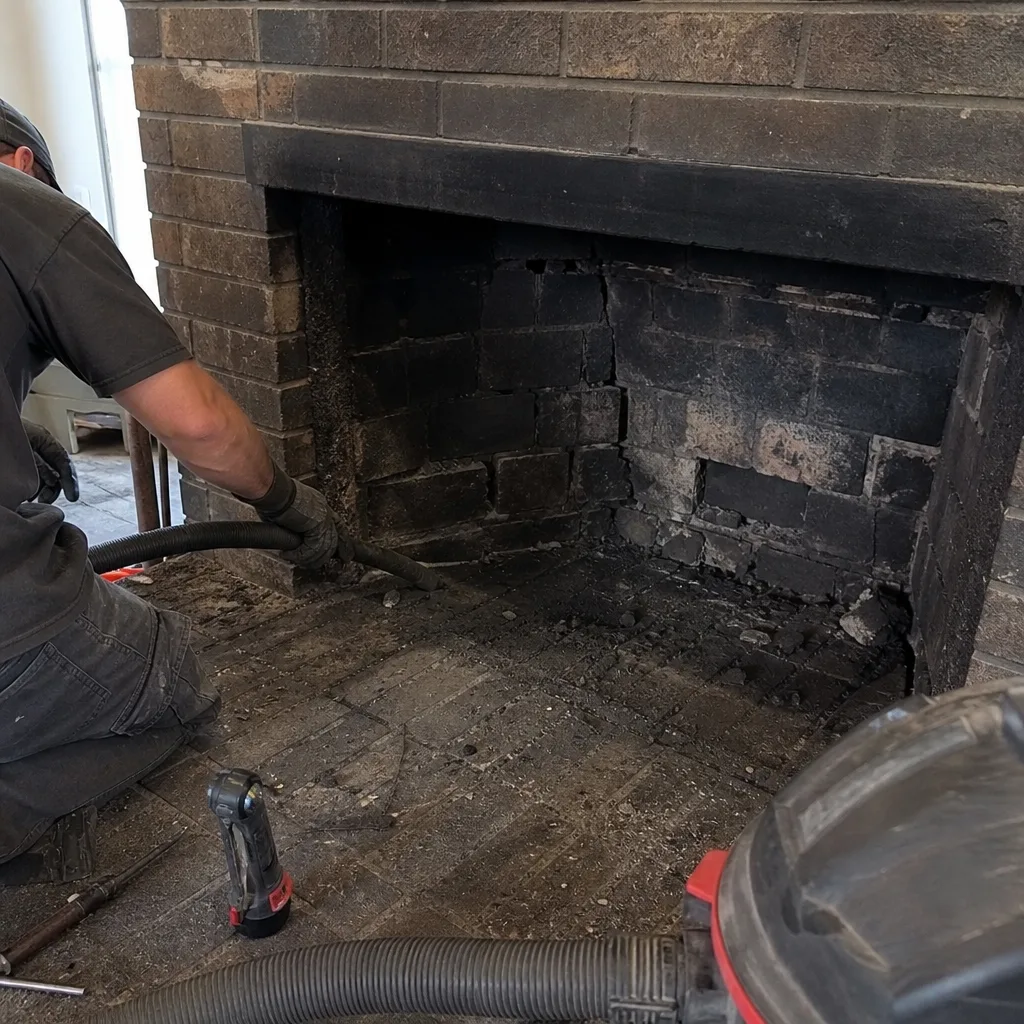 Before
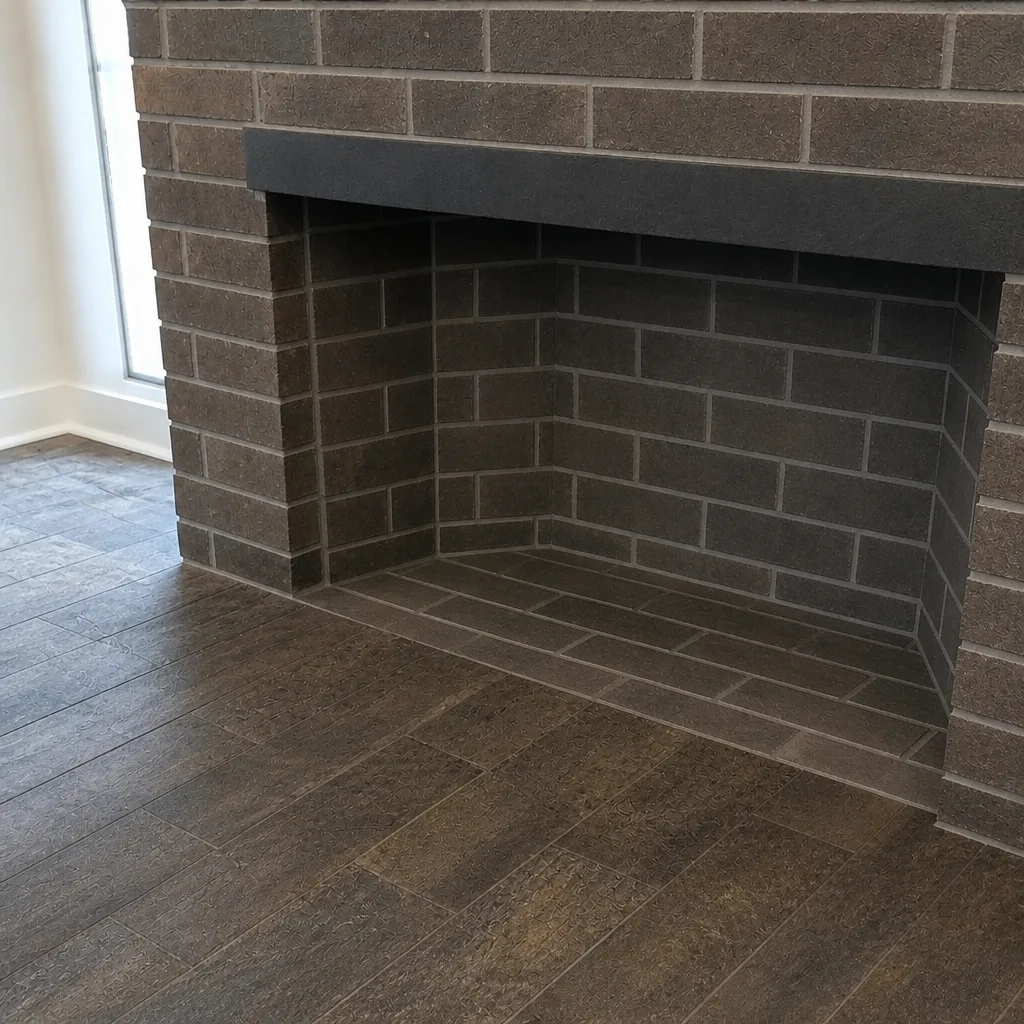 After
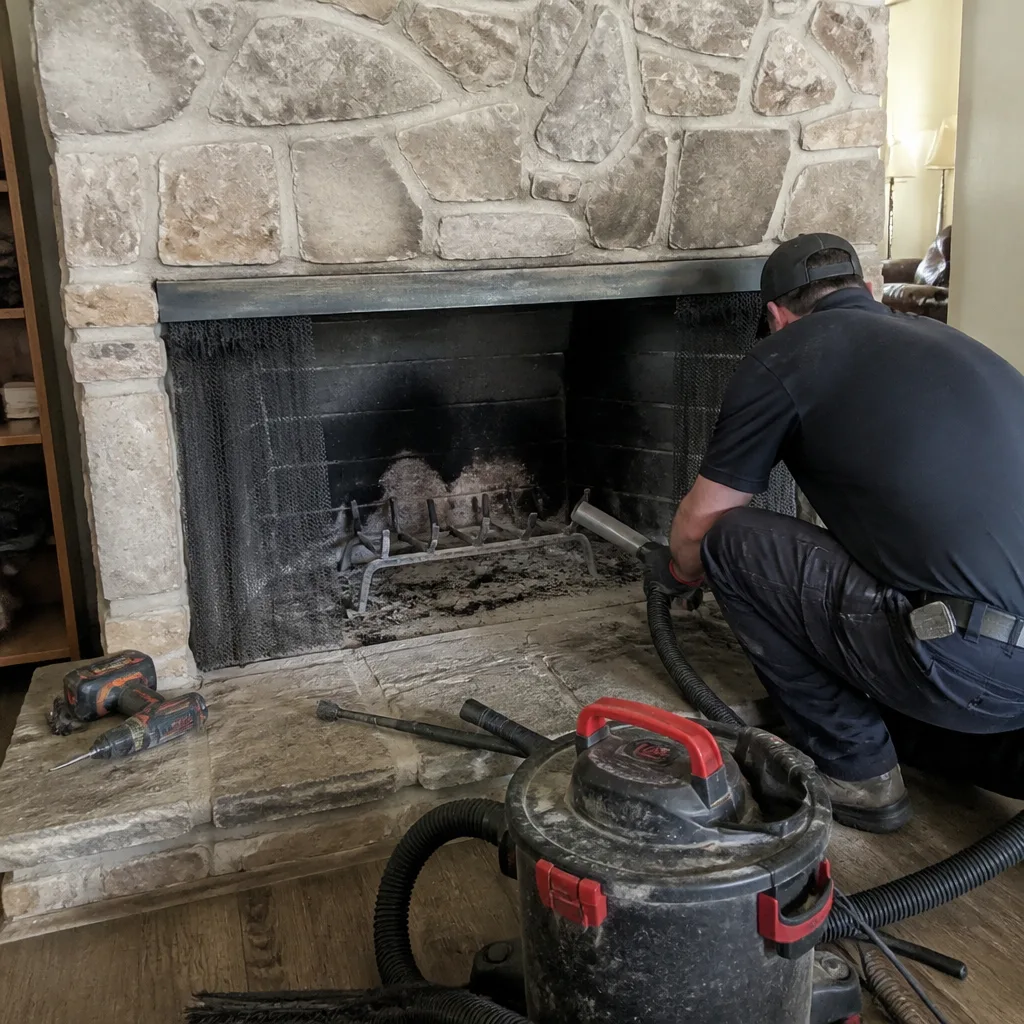 Before
 After
 Before
 After
When to Call a Professional
Some situations call for a call rather than a calendar reminder. If you smell smoke in the house when there’s no fire, hear crackling or roaring from the flue, or see a sticky tar-like buildup in the firebox, that’s a professional matter, not a homeowner check. A cracked flue tile, a failed crown, or water staining near the chimney breast also warrants an inspection sooner rather than later. And any chimney that hasn’t been inspected in over a year should be looked at before its next fire.
Lewisville Chimney Sweep offers free estimates in Lewisville. Call (888) 424-2086. We answer 24/7. Fast dispatch from 7am to 7pm, Sunday through Friday. Our team works with professional-grade materials from brands like Gelco, Famco, and Copperfield, and we provide sweeps, inspections, and repairs so you’re not coordinating between separate contractors. We’re based in and serve the Lewisville area, and we’d be glad to look at your chimney.
Frequently Asked Questions
Sweep when the flue has about 1/8 inch of creosote, or roughly every year for moderate use and every two years for light use. Heavy users should book an annual sweep. Call (888) 424-2086 for an exact quote, and estimates are free.
Yes. Inspection checks for cracks, liner damage, and crown problems that have nothing to do with burn volume. Deterioration can happen over a single season. Call (888) 424-2086 to schedule an inspection.
Creosote keeps building, and the risk of a chimney fire climbs with it. Small cracks in the flue or crown can also worsen undetected. Call (888) 424-2086 if it’s been more than a year since your last inspection.
October and early November are the ideal window, because DFW cold snaps are unpredictable and the first cold night is when an unprepared flue is most dangerous. Booking early also gets you the appointment date you want.
You can do visual checks at the firebox level without tools, but a full flue cleaning requires professional equipment and a trained eye. Leave the sweeping to a specialist. Call (888) 424-2086 to book a professional sweep.
An inspection reveals it. Cracks, gaps, corrosion, or spalling mean the liner is failing, and a resurfacing system such as HeatShield or a replacement flexible liner like DuraFlex may be the right fix. Call (888) 424-2086 for an inspection-based answer.
The Bottom Line
A chimney maintenance schedule only works if it’s built around how much and what you burn. Start with a fall inspection and a sweep, then adjust the interval based on your wood and your habits. Do the monthly firebox checks between visits, keep the cap intact, and watch for creosote reaching stage two. The goal is simple: know the condition of your chimney before you need it. For any of this, you can reach the team at Lewisville Chimney Sweep and we’ll walk you through it.
Written by the team at Lewisville Chimney Sweep.