
Last updated November 15, 2026
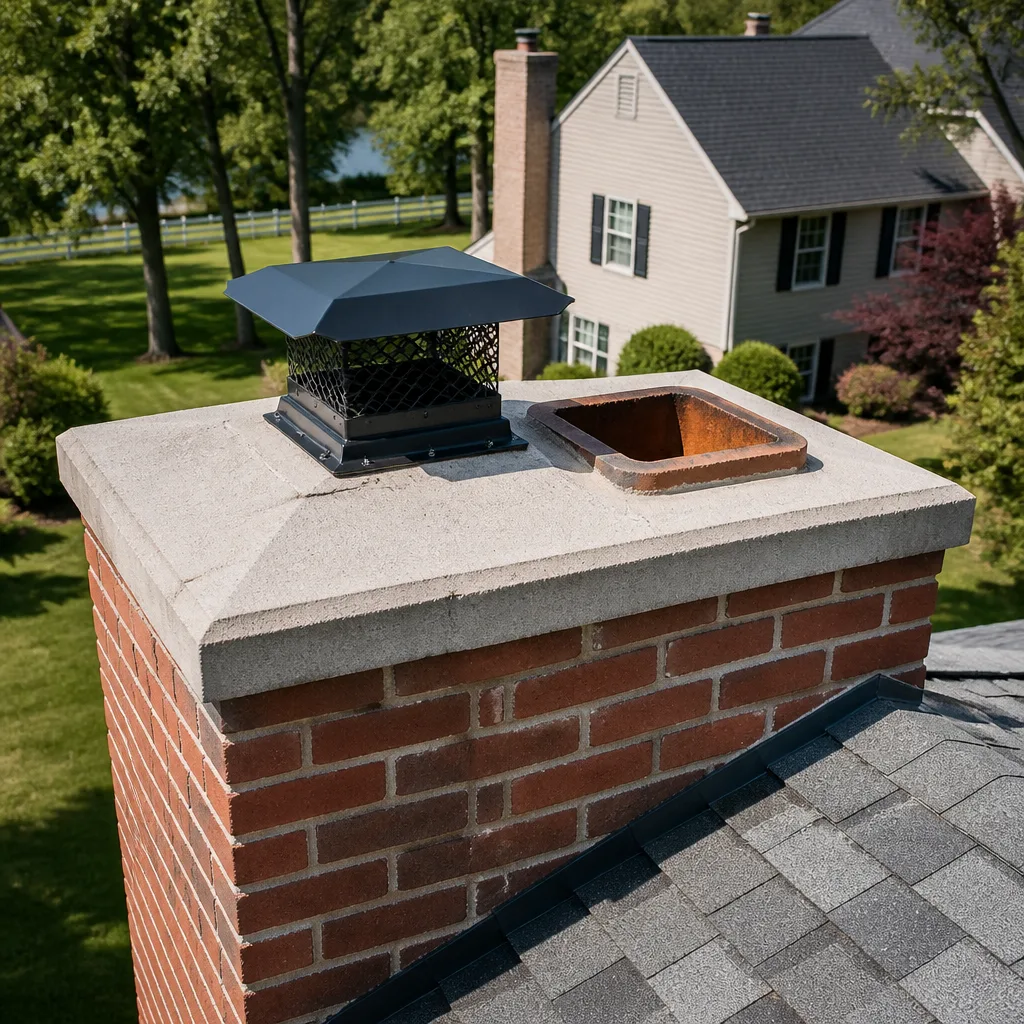 Sweep & inspection
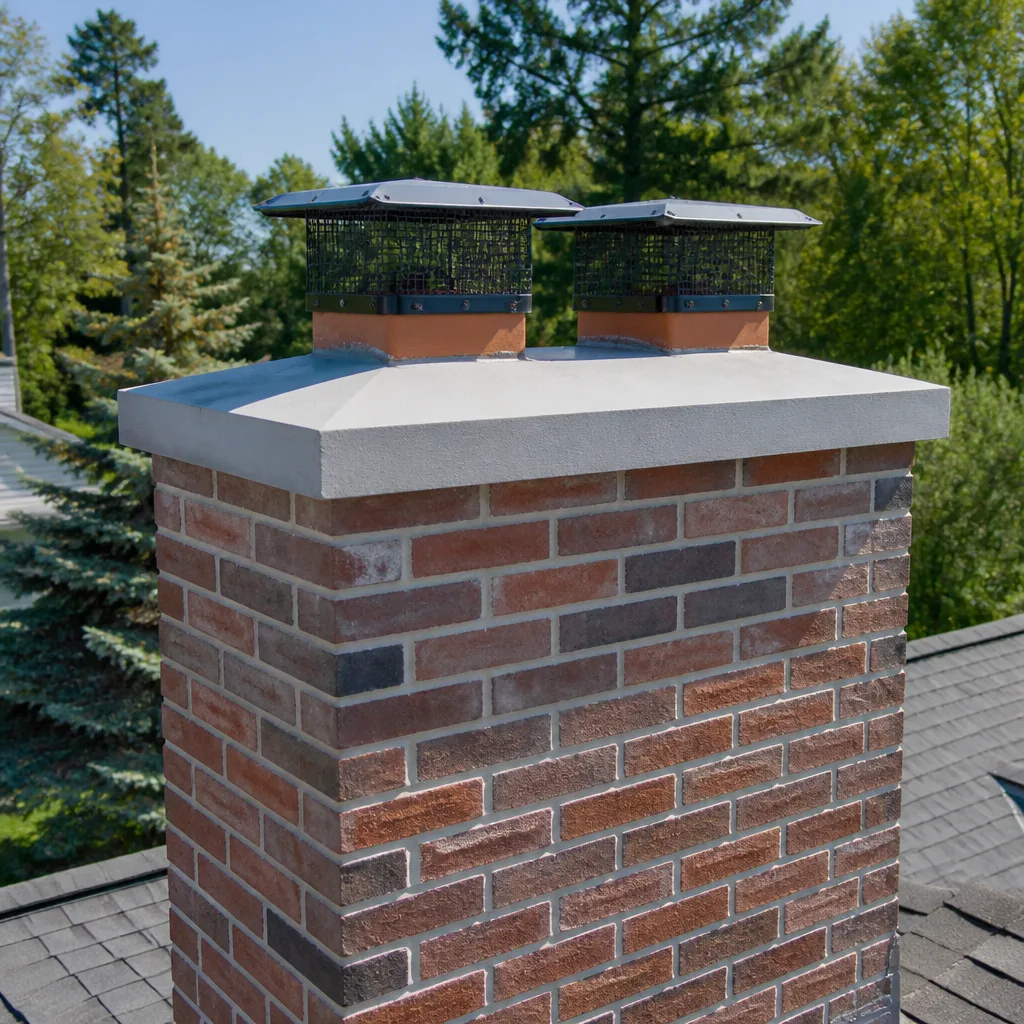 Caps & crowns
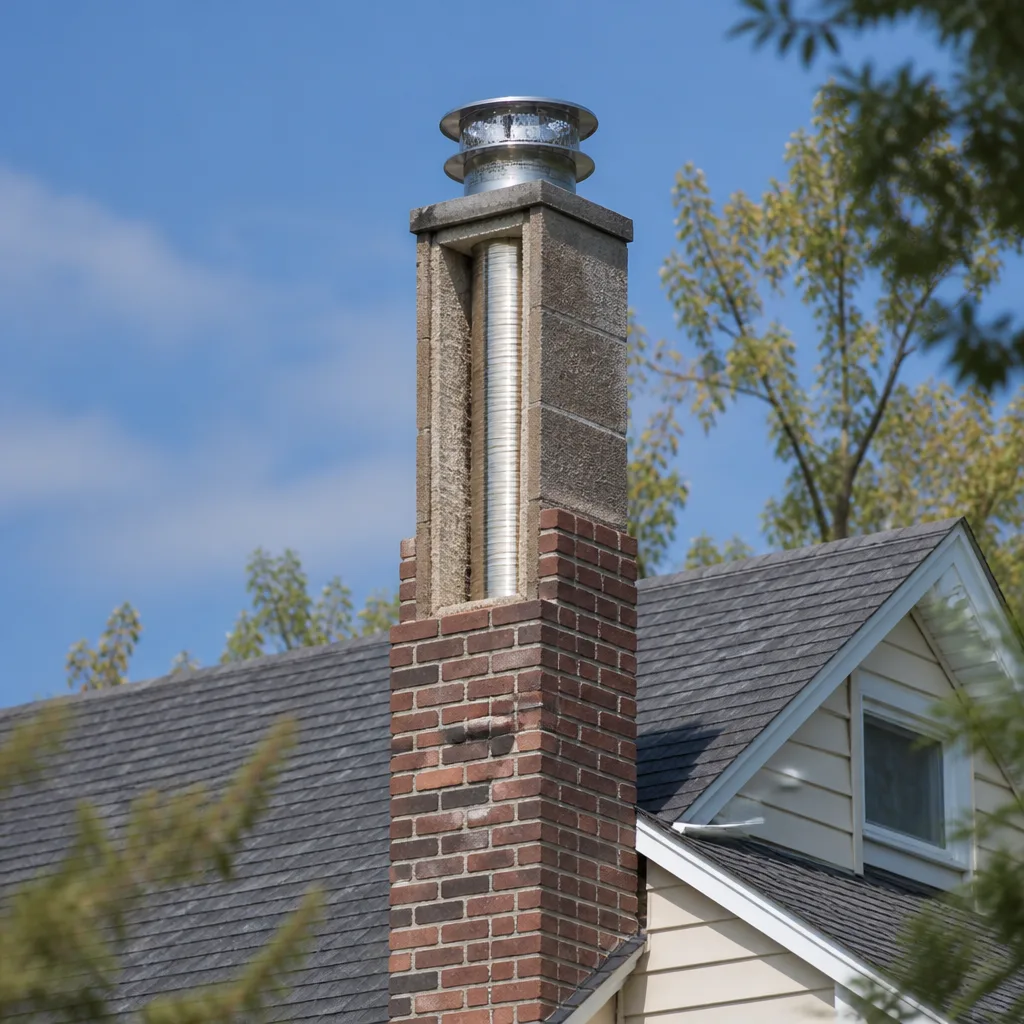 Flue relining
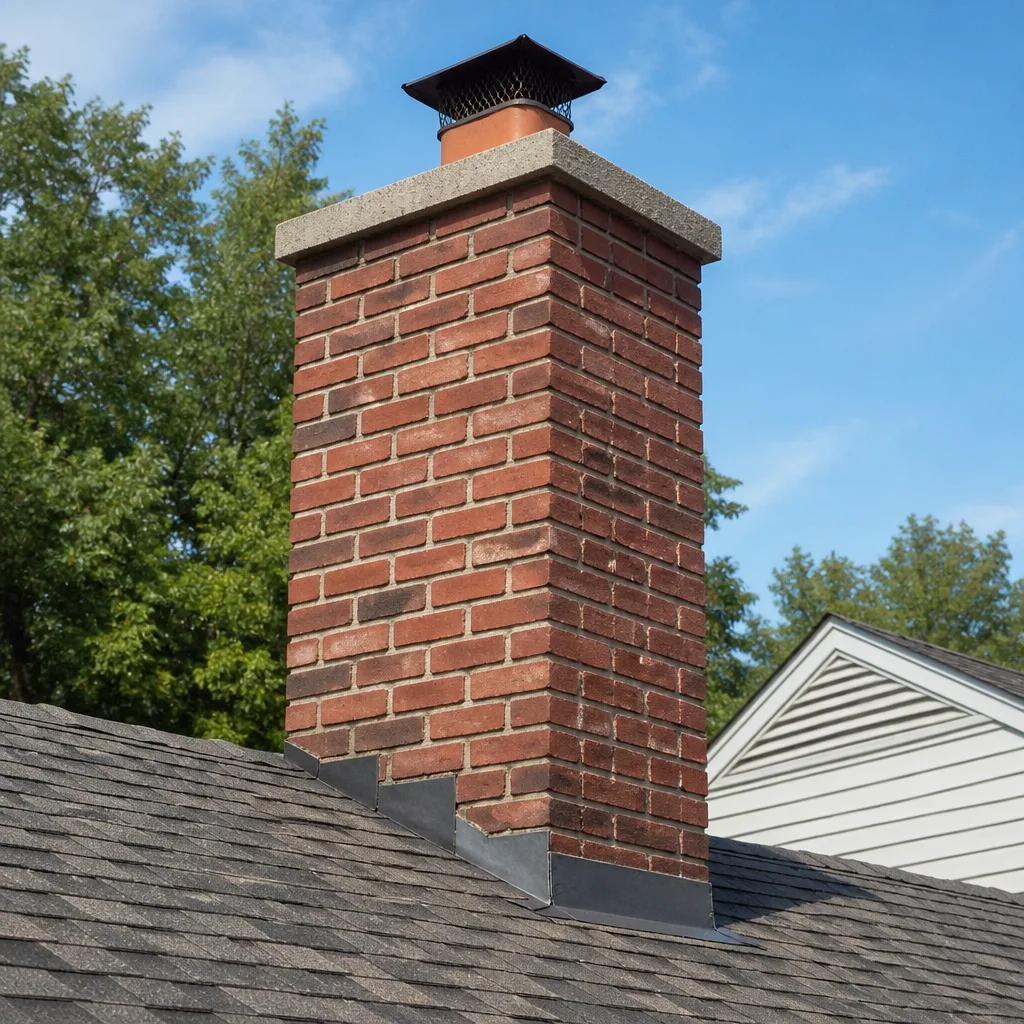 Masonry repair
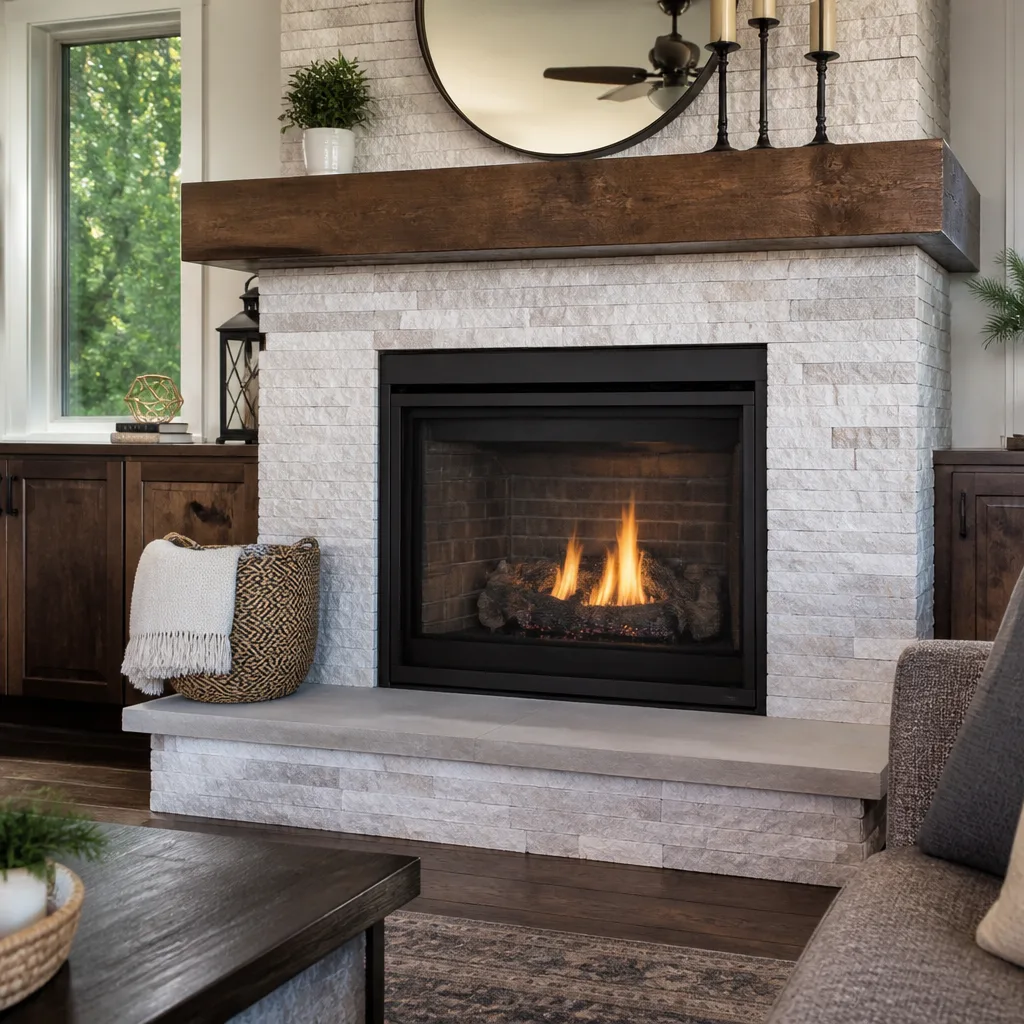 Gas fireplace service
Level 1 sweep and inspection to the NFPA 211 annual standard - flue, crown, cap, and flashing checked and photographed
Chimney sweep logs do not sweep chimneys. They loosen some creosote - which then falls where a brush and vacuum still have to collect it.
Chimney Cleaning Emergency Preparedness Guide for Lewisville Homes
If your chimney is on fire, closing the damper is the first instinct and the wrong move. It cuts oxygen to the living space but doesn’t extinguish a creosote fire burning inside the liner, and it traps combustion byproducts in your home. Most homeowners fold three very different emergencies into one vague “call 911” plan: an active chimney fire, carbon monoxide infiltration from a blocked flue, and sudden smoke backdrafting. Each one needs a different response, and getting them confused costs time you don’t have. This guide gives Lewisville households a scenario-specific protocol tied to what’s actually happening inside the chimney system, plus the pre-season prep that makes any of these calls faster and safer.
Quick Answer
For an active chimney fire in Lewisville: get everyone out, call 911, and do not close the damper or try to fight it. For carbon monoxide alarms with no visible fire, evacuate and call 911, then treat the flue as compromised until a Level 2 inspection clears it. For smoke rolling back into the room with no fire, open the damper fully, crack a window, and stop using the fireplace until a technician diagnoses the draft problem.
Styles & brands we work with
- Sweep & inspection
- Caps & crowns
- Flue relining
- Masonry repair
- Gas fireplace service
Table of Contents
- What to do in the first five minutes of a chimney fire
- Carbon monoxide infiltration vs. incomplete combustion
- Smoke backdrafting: the third emergency homeowners miss
- After a chimney fire: why a Level 2 inspection comes first
- What to tell Lewisville Fire Department dispatch
- Pre-season emergency preparation for Lewisville homes
- Documenting your chimney for insurance purposes
- When a chimney problem needs a professional, not a fire truck
What to do in the first five minutes of a chimney fire
A chimney fire is burning creosote inside the flue, not wood in the firebox. That distinction decides your response. Creosote at stage two or three is a concentrated fuel source coating the liner, and it can reach temperatures that crack masonry and warp metal. Closing the damper does not starve a liner fire of oxygen the way it starves a firebox fire, and it pushes smoke and carbon monoxide into the room instead of up the flue.
Here is the sequence we want every Lewisville homeowner to know cold, before they ever need it:
- Get everyone outside first. Adults, children, pets. No gathering belongings, no checking the roof. The house is replaceable; the evacuation is not negotiable.
- Call 911 from outside. Say “chimney fire” plainly. More on what dispatch needs in the section below.
- Leave the damper open. An open damper gives the fire a path up and out instead of into the living space. Do not close it on the way out.
- Close the glass doors only if you’re already beside them. Glass doors on a fireplace can slow radiant heat into the room, but they are not worth re-entering a smoky house for. If you’re standing there, close them; if not, go.
- Do not use a fire extinguisher into the firebox. A standard extinguisher aimed up the flue does little against a liner fire and can create a steam and pressure event. That’s a fire department call.
- Stay out until cleared. Even after the fire is out, the chimney is not safe to use. More on that below.
Signs you’re dealing with an active chimney fire rather than a normal burn: a roaring sound like a freight train or low rumble, dense smoke or flames from the top of the chimney, a strong burning smell in rooms far from the fireplace, and visibly glowing or discolored stovepipe. Any one of those is a 911 call, not a wait-and-see.
Carbon monoxide infiltration vs. incomplete combustion
Carbon monoxide problems in a chimney system come from two different failure modes, and they carry different urgency. Knowing which one you’re likely facing changes what you do in the moment and what the repair looks like afterward.
Infiltration from a compromised flue
This is CO entering the living space through a breach in the system: a cracked liner, a failed mortar joint, a disconnected flue pipe, or a blocked flue that forces exhaust backward. The appliance may be burning perfectly. The problem is the path. In Lewisville’s older masonry chimneys, spalling mortar joints and deteriorated clay tile liners are the usual culprits, and a HeatShield ceramic resurfacing job or a DuraFlex flexible liner system is often what closes the breach. This failure mode tends to show up as CO detected in rooms adjacent to the chimney, sometimes with no fireplace smell at all.
Incomplete combustion at the appliance
This is CO produced because the fuel isn’t burning cleanly: a gas log set with a blocked burner port, a wood fire starved of air by a closed damper or an oversized fire, a neglected gas insert. The flue may be intact. The appliance is the problem, and so is the lack of maintenance. This failure mode often comes with visible clues: sooting on the glass doors, a lazy yellow flame where there should be crisp blue, or a strong odor on startup.
Either way, the immediate response is the same: get out, call 911, and don’t re-enter until the fire department clears the house. Both are life-safety events. The difference matters for the follow-up. Infiltration needs a Level 2 inspection of the flue path; incomplete combustion needs appliance service and a draft evaluation. A chimney sweep and inspection covers both checks in one visit.
Smoke backdrafting: the third emergency homeowners miss
Smoke rolling out of the firebox into the room with no fire in the flue is a draft failure, not a chimney fire. It’s the most common of the three emergencies and the easiest to misread as “the flue is dirty.” It can happen because of a blocked or partially collapsed flue, a chimney that’s too short for the house, negative pressure from a powerful kitchen hood or dryer, or a cold flue that won’t establish draft on startup.
What to do when it happens:
- Open the damper fully if it isn’t already.
- Crack a nearby window a couple of inches to relieve negative pressure.
- Extinguish the fire if it’s safe to do so and get everyone out if smoke is filling the room.
- Stop using the fireplace until a technician evaluates the draft.
Backdrafting that recurs is a signal, not an annoyance. A flue that won’t pull smoke up is also a flue that won’t reliably pull carbon monoxide up, and Lewisville homes with tightly sealed windows and modern exhaust fans are exactly the houses where negative pressure shows up. A draft evaluation, a camera inspection of the flue, and a check on liner sizing usually find the cause. An undersized flue is a common finding, and a DuraFlex liner sized correctly to the appliance often resolves it.
After a chimney fire: why a Level 2 inspection comes first
A chimney that has had a fire in it cannot be used again until a Level 2 inspection is completed. Not a visual glance from the firebox, not a sweep-and-go. A Level 2 inspection includes a video camera run of the entire flue, and it’s the only way to see what a fire did to the liner from the inside.
What that inspection is specifically looking for:
- Liner integrity. Cracked clay tiles, separated seams, or a warped or split stainless liner. Any breach means combustion gases can reach the masonry or the framing.
- Creosote re-deposit. A fire leaves a fresh, sometimes glazed layer of creosote behind. Glazed creosote is harder to remove than the original buildup and ignites more easily.
- Mortar joint condition. Heat spalls mortar between flue tiles. Missing joints are a CO pathway into the wall cavity.
- Chase and framing. Pyrolysis, the heat-driven breakdown of wood near the chimney, lowers the ignition temperature of framing. It’s invisible from the room and only visible with access.
- Draft performance. A fire can distort a flue enough to change its draft characteristics even when the liner looks intact.
We install HeatShield ceramic flue resurfacing and DuraFlex liner systems for exactly these outcomes. HeatShield restores a damaged clay flue from the inside without a full liner replacement, and a DuraFlex flexible stainless liner is the answer when the original flue is cracked beyond resurfacing or undersized. Both come out of the same professional supply chain that certified chimney specialists specify nationwide, alongside brands like Gelco and Olympia Chimney for the components that complete the system. The point is that the repair follows the inspection evidence, not the other way around. If a camera run shows the flue is intact, we’ll tell you it’s intact.
What to tell Lewisville Fire Department dispatch
When you call 911 for a chimney fire in Lewisville, the words you use change how units respond. Dispatch is trained to triage, and the details you give in the first thirty seconds shape the response. Have these ready before you dial, or answer them as they’re asked:
- The words “chimney fire,” not “smoke in the house.” A chimney fire is a specific call type. Say it plainly.
- Whether you see flames or heavy smoke from the top of the chimney. Visible flame from the chimney crown tells dispatch the fire is in the flue, not the firebox.
- Whether anyone is still inside. Confirm everyone is out. If someone isn’t, say so immediately and where they were last seen.
- Whether the fire has extended into the walls or attic. Smoke or heat in rooms far from the fireplace, or a hot wall, changes the response.
- The type of chimney and appliance. Masonry with a wood-burning fireplace, a factory-built metal chimney, or a gas insert. Each has different suppression considerations.
- Your address and the nearest cross street. Lewisville has plenty of streets that share names with other streets in the metroplex, and the cross street removes the ambiguity.
- Whether a CO alarm is sounding. If it is, say so. That changes the response inside the house.
Don’t hang up until dispatch releases you, and don’t re-enter the house while units are still arriving. Once the fire is out, the fire department will clear the scene but they will not certify the chimney. That’s the inspection step, and it’s yours to schedule.
Pre-season emergency preparation for Lewisville homes
Most of what makes a chimney emergency survivable happens in the weeks before the first fire of the season, not during the emergency. Lewisville winters are mild enough that fireplaces sit idle for months and then get used heavily in short bursts, which is exactly the pattern that lets creosote accumulate unnoticed between seasons. Here’s the preparation that pays off:
- CO detector placement. Put a CO alarm on every level of the home, including the basement if you have one, and one in or near each sleeping area. Critically, place one in the room with the fireplace or just outside it, where combustion gases from a compromised flue would first collect. Test the alarms before the season starts and check the sensor’s expiration date; CO sensors age out.
- What to have on hand. A working flashlight at each level, a phone charger that doesn’t need a wall outlet, shoes by the door in cold weather, and a clear path to the nearest exit. A fire extinguisher rated for wood fires near the fireplace, for the firebox only, never for the flue.
- Know your shutoffs. For a gas insert or gas log set, know where the gas shutoff is before you need it. Same for the pilot light control. In a CO event, shutting the gas at the appliance stops the source.
- Clear the access. Make sure the firebox, damper handle, and the chimney cap are accessible and unobstructed. A damper that won’t open fully is a draft problem waiting to happen.
- Get a sweep and inspection before the season. The most effective emergency prep is knowing your flue’s condition before you light a fire. A Lewisville Chimney Sweep inspection with a camera run gives you that baseline, and the sweep removes the creosote that fuels the worst chimney fires.
Our technicians have up to 14 years of experience with exactly this kind of seasonal preparation, and we treat the sweep and the inspection as one connected step by default. A sweep without an inspection misses hidden deterioration; an inspection without a sweep leaves the fuel in place.
Documenting your chimney for insurance purposes
If a chimney fire damages your home, your insurance claim will hinge on proving the chimney was maintained and on documenting the loss accurately. The smart move is to build that record before anything happens. Here’s what to keep:
- The most recent service report. Date, what was done, and any inspection findings. Keep it with your homeowner policy documents, not in a drawer next to the fireplace.
- Inspection photos and camera footage. Many inspection services provide a photo report as part of the service. If yours does, keep the digital files. They prove the condition of the flue at a known date and help establish what was and wasn’t pre-existing.
- Repair records. Receipts and documentation for any liner installation or flue resurfacing, including the product and brand used. A DuraFlex liner or a HeatShield resurfacing job documented properly makes it clear the chimney was maintained with professional materials.
- Post-event documentation. After a fire, don’t clean anything until your insurer has been notified. Photograph the firebox, damper, chimney exterior, and any smoke staining before a sweep. The fire department’s incident report is also worth requesting; it establishes the date and cause.
- A dated baseline. Even a single pre-season inspection report changes how an adjuster reads a claim. It converts “we don’t know the condition” into “here is the condition, verified by camera, on this date.”
We can provide inspection documentation for your records as part of a standard visit. It’s a small thing that makes a large difference when you’re filing a claim.
When a chimney problem needs a professional, not a fire truck
Not every chimney emergency is a 911 call. Some are a stop-use-and-schedule situation, and knowing the difference keeps your household and your fire department focused on the real emergencies. Call 911 for any fire in the flue, any CO alarm, any smoke filling a room, or any sign the fire has left the firebox.
Call a chimney professional, not emergency services, for these:
- Recurring smoke backdrafting that stops when you open a window
- A damper that won’t open, close, or seal
- Creosote visible at stage two or three on a camera inspection
- A chimney cap that’s loose, missing, or damaged, letting water and animals in
- Spalling mortar joints or a liner that a camera run shows is cracked
- A gas insert or log set that smells, soots, or burns unevenly
These are the calls a full-service chimney company handles with a diagnostic visit: a sweep, a camera inspection, and if needed, a repair. Our in-house capability means the sweep, the inspection, and the fix all happen without handing you off to a second contractor. When the repair calls for it, we work with the same materials chimney engineers specify, including DuraFlex, HeatShield, Gelco, Olympia Chimney, Famco, and Copperfield. If a camera run shows the chimney is sound and the fix is a cleaning, we tell you that, because recommending a liner replacement you don’t need isn’t a repair, it’s a failed inspection report.
Common Mistakes to Avoid
- Closing the damper during a chimney fire. It feels like the right move to smother the fire, but it pushes smoke and CO into the room and does little to a liner fire. Leave it open and get out.
- Treating a CO alarm as a false alarm because no one feels sick. CO is odorless and symptoms lag exposure. Evacuate and call 911 every time; a reset alarm proves nothing about the flue.
- Using the fireplace after a chimney fire without a Level 2 inspection. A fire can crack a liner invisibly, and the next fire sends combustion gases through the breach. The inspection is not optional after a fire.
- Lighting the first fire of the season without a pre-season sweep. Lewisville’s long idle window lets creosote build between seasons, and the first fire is when it’s most likely to ignite. Get the sweep first.
- Assuming a cleaning alone is enough. A sweep removes creosote; it doesn’t evaluate the liner, chase, or draft. The inspection is what catches the deterioration before it becomes an emergency.
- Skipping the service record. Homeowners who can’t produce a maintenance record often struggle when a claim comes up. Keep the report and the photos.
- Calling a general handyman for a chimney diagnosis. Chimney systems need inspection-grade diagnostics and repair-ready material knowledge. A basic brushing and a visual check miss what a camera run finds.
See the difference
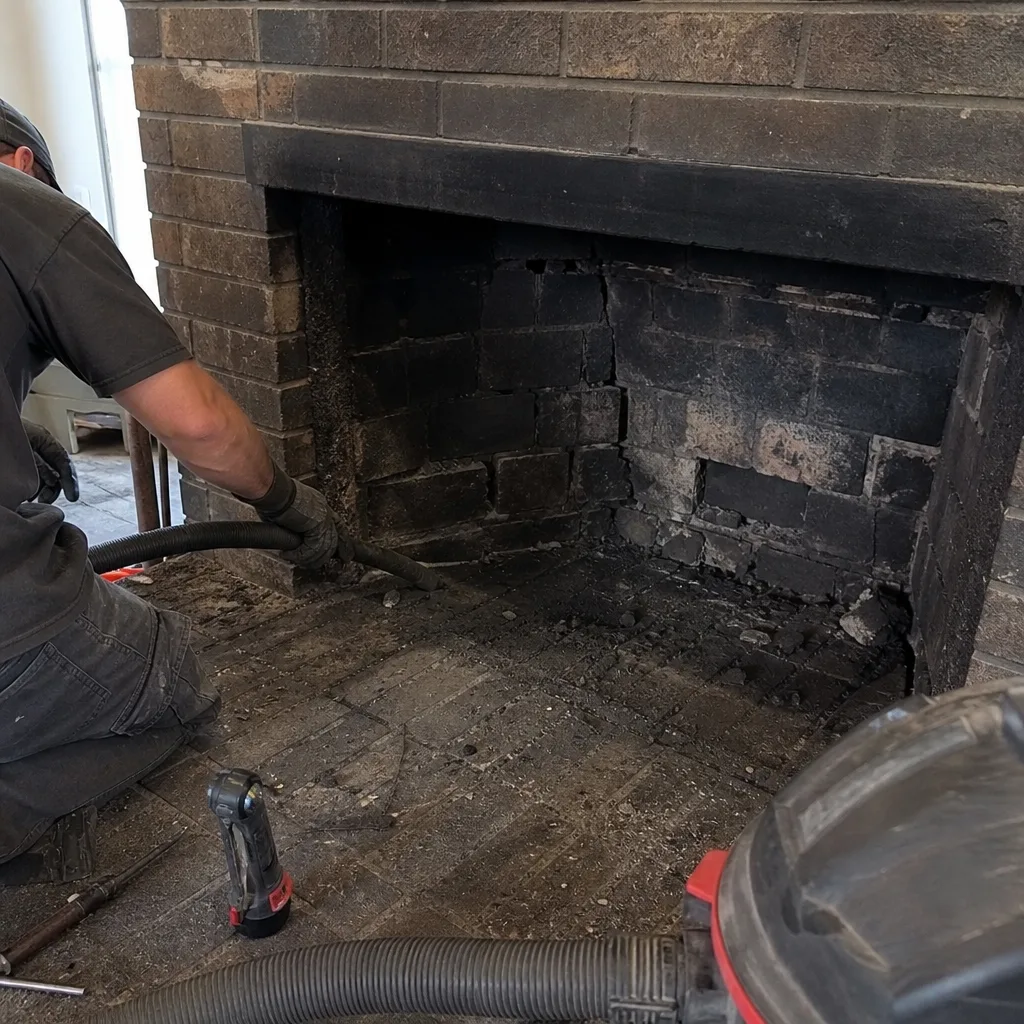 Before
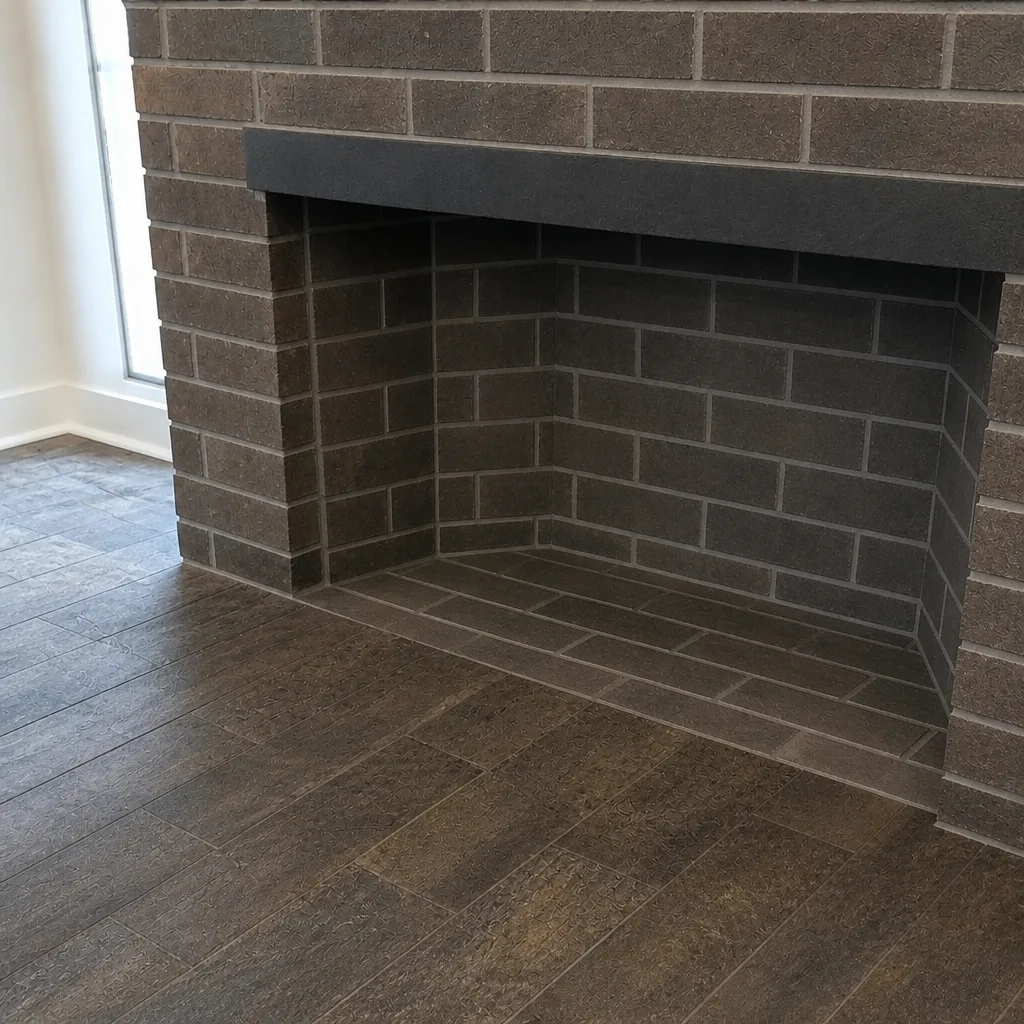 After
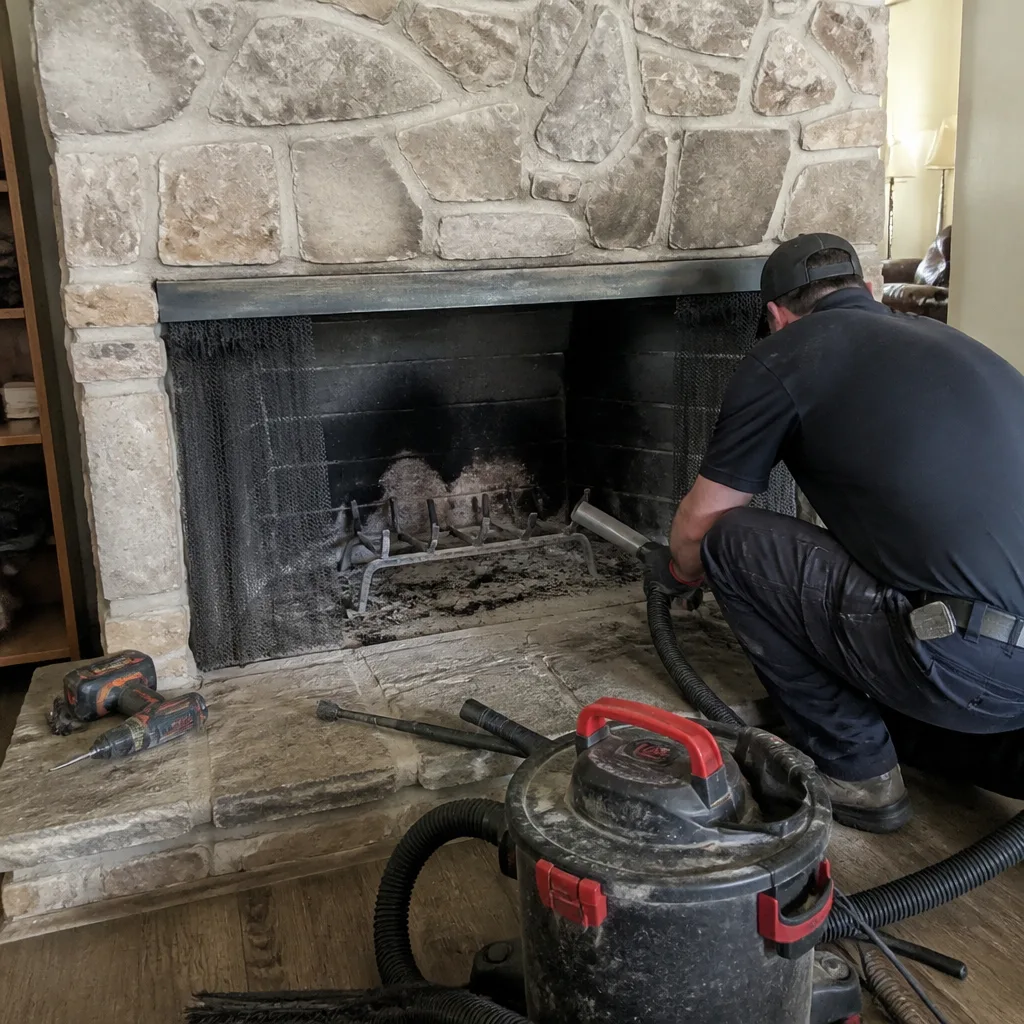 Before
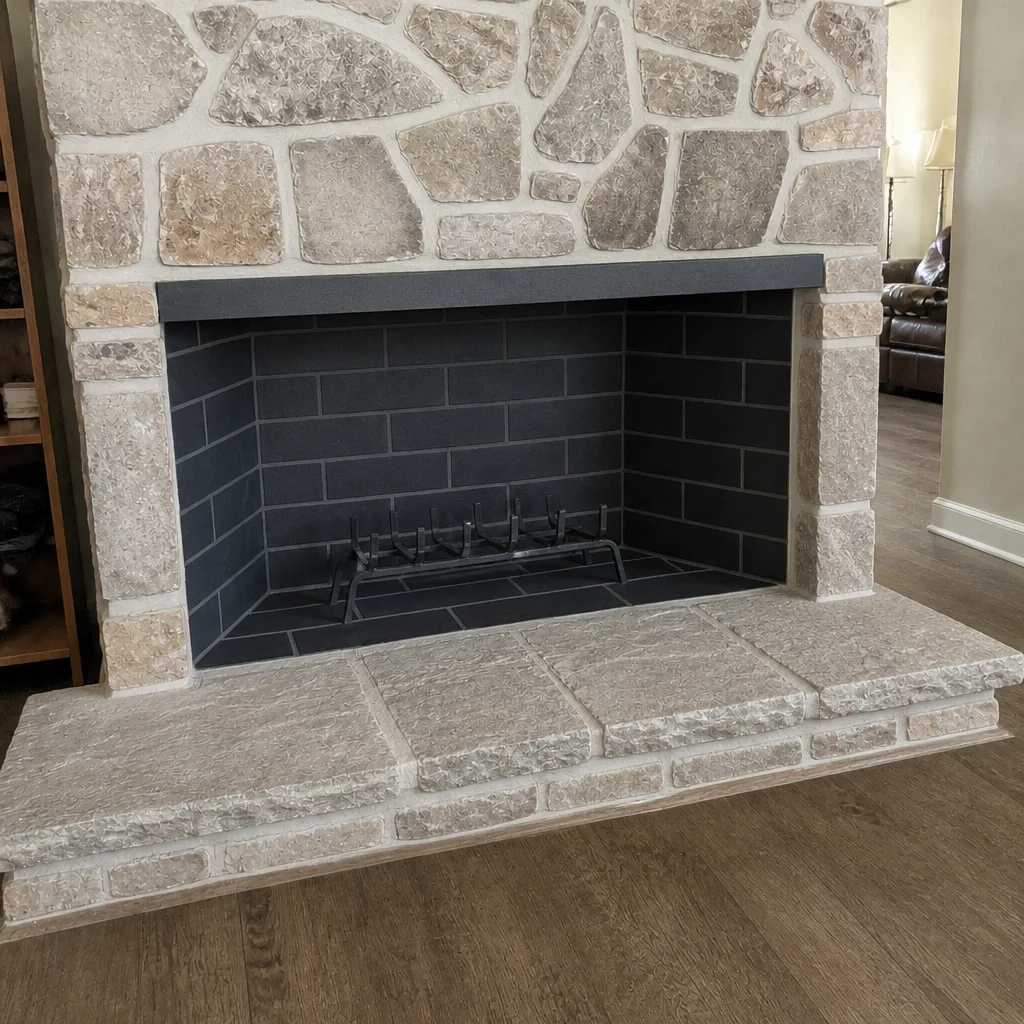 After
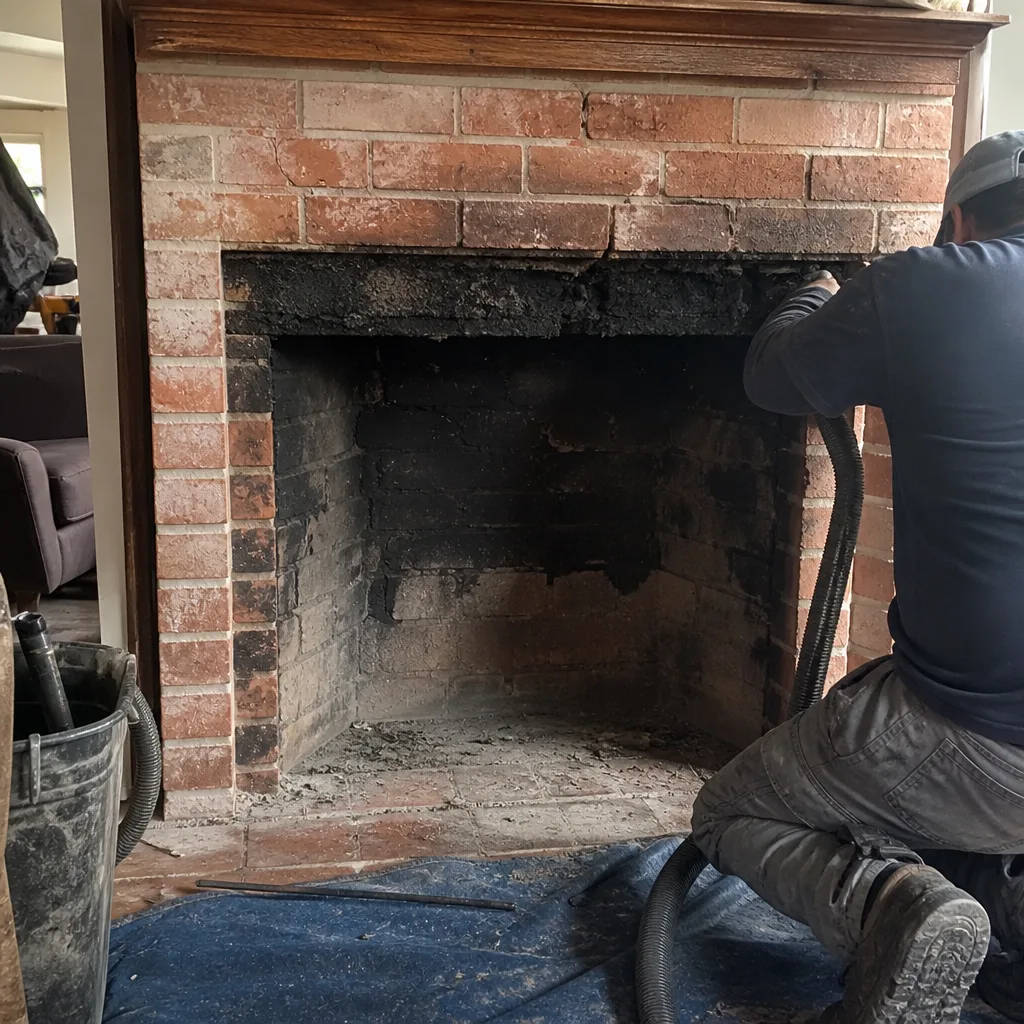 Before
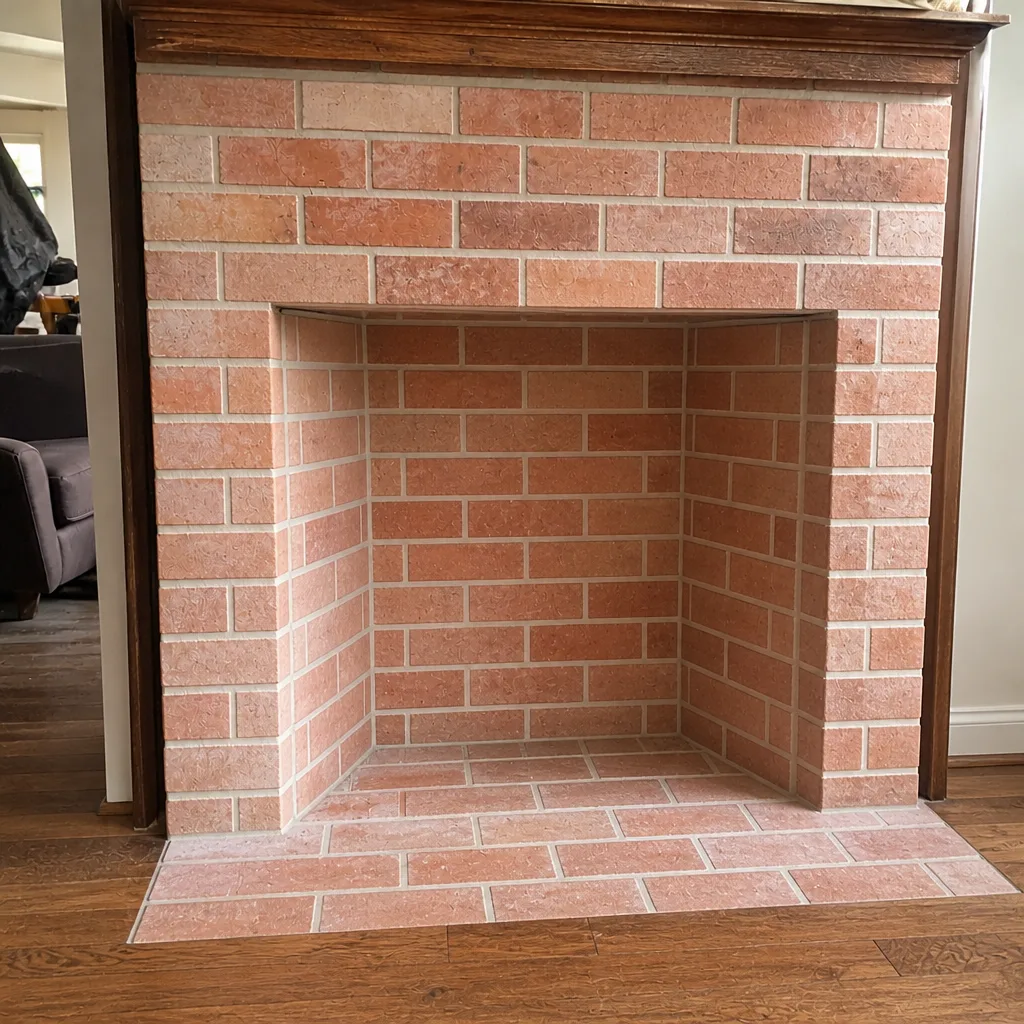 After
When to Call a Professional
Call a chimney professional when the chimney shows a symptom you can’t diagnose and fix yourself: recurring smoke backdraft, a damper that won’t seal, visible creosote at stage two or three, a cap that’s come loose, or an inspection you haven’t had in a season or two. Call after any chimney fire, before using the fireplace again, so a Level 2 inspection can confirm the liner and chase are sound. And call before the season starts, so the sweep and inspection happen on your schedule, not in the middle of a smoke-filled room. Lewisville Chimney Sweep offers free estimates in Lewisville – call (888) 424-2086. We answer 24/7, with fast dispatch from 7am to 7pm, Sunday through Friday.
Frequently Asked Questions
Get everyone out of the house and call 911 from outside, leaving the damper open as you go. Closing the damper does not put out a creosote fire in the liner and it pushes combustion gases into the living space. Do not try to fight the fire yourself; wait for the fire department, then schedule a Level 2 inspection before using the fireplace again.
No. A chimney fire burns creosote inside the flue; carbon monoxide infiltration is exhaust leaking into the home through a cracked liner, failed joint, or blocked flue. They’re different failures with different follow-up repairs, but both require evacuation and a 911 call, and both mean the chimney needs a professional inspection before use. Call (888) 424-2086 for an exact quote on the inspection – estimates are free.
Yes. A Level 2 inspection is the only way to see inside the flue and confirm the liner, mortar joints, chase, and framing weren’t damaged. The chimney cannot be used again until that inspection clears it, because a cracked liner lets combustion gases reach the structure. A camera run shows you the evidence for yourself, so you never have to take a recommendation on faith.
A chimney used normally for wood should be swept and inspected annually, and more often if you burn heavily. Lewisville’s long idle season and concentrated burn season make the pre-season visit the important one, because creosote builds up between fires and the first fire of the year is when it’s most likely to ignite. Annual service also gives you the documentation an insurer wants.
Creosote keeps building, the risk of a chimney fire climbs, and hidden liner or joint damage goes unnoticed until it produces smoke in the room, a CO alarm, or a fire. Some of those outcomes can wait for a scheduled visit; a fire or a CO event cannot. Call (888) 424-2086 for an exact quote – estimates are free, and we tell you when work can safely wait.
Smoke with no fire in the flue, no roaring sound, and relief when you crack a window points to backdraft rather than a chimney fire. A roaring rumble, visible flame or dense smoke from the chimney top, or a burning smell in far rooms means a fire, and it’s a 911 call. Either way, stop using the fireplace until a technician diagnoses the cause – call (888) 424-2086 to book the inspection.
The Bottom Line
A chimney emergency plan that treats all three failures the same is a plan that takes the wrong action at the worst moment. Leave the damper open during a fire, evacuate and call 911 for a CO alarm, and open the damper and a window for backdraft smoke. After any fire, the chimney stays out of service until a Level 2 inspection clears it. Build the record before the season with a sweep, an inspection with a camera run, and a CO detector placed where combustion gases would collect. For chimney repair and inspection in Lewisville, call (888) 424-2086. We answer 24/7. Fast dispatch from 7am to 7pm, Sunday through Friday. Free estimates, written per job.
Written by the team at Lewisville Chimney Sweep.