
Last updated November 15, 2026
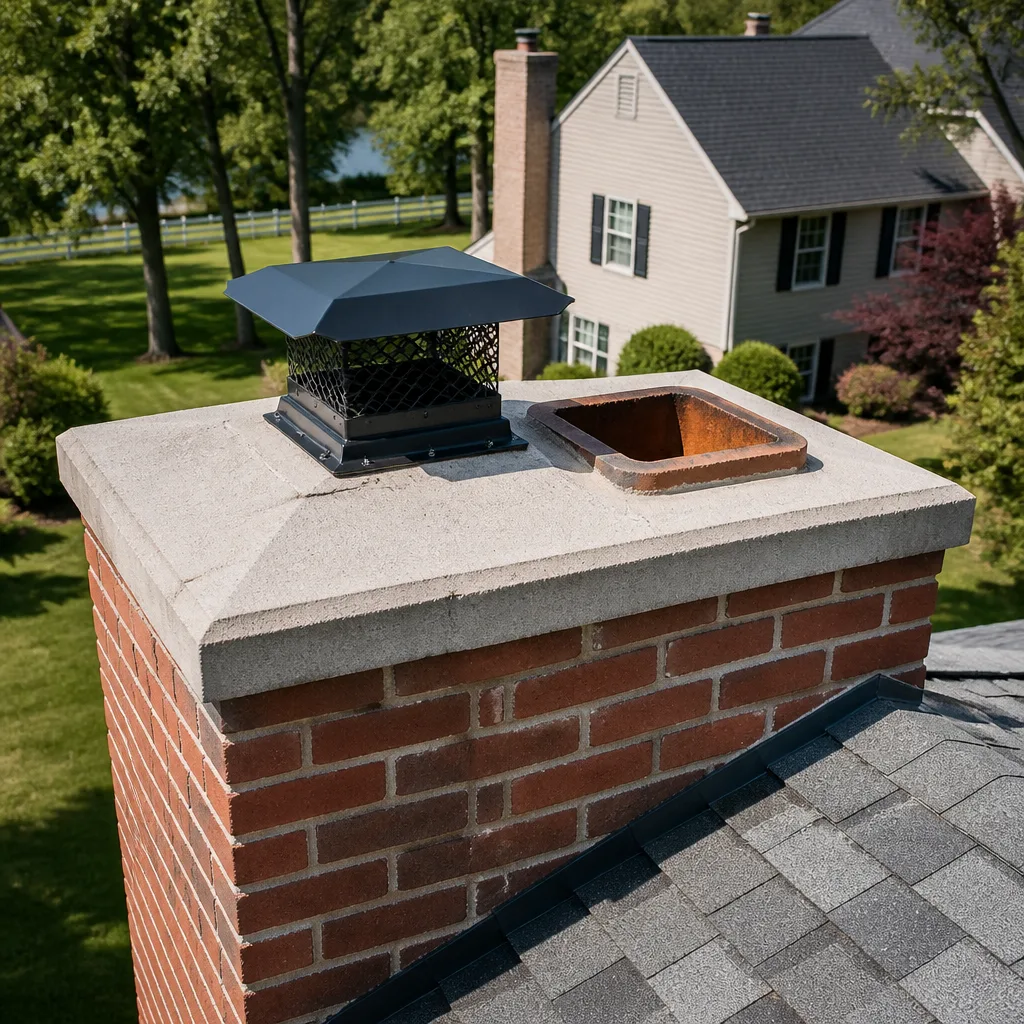 Sweep & inspection
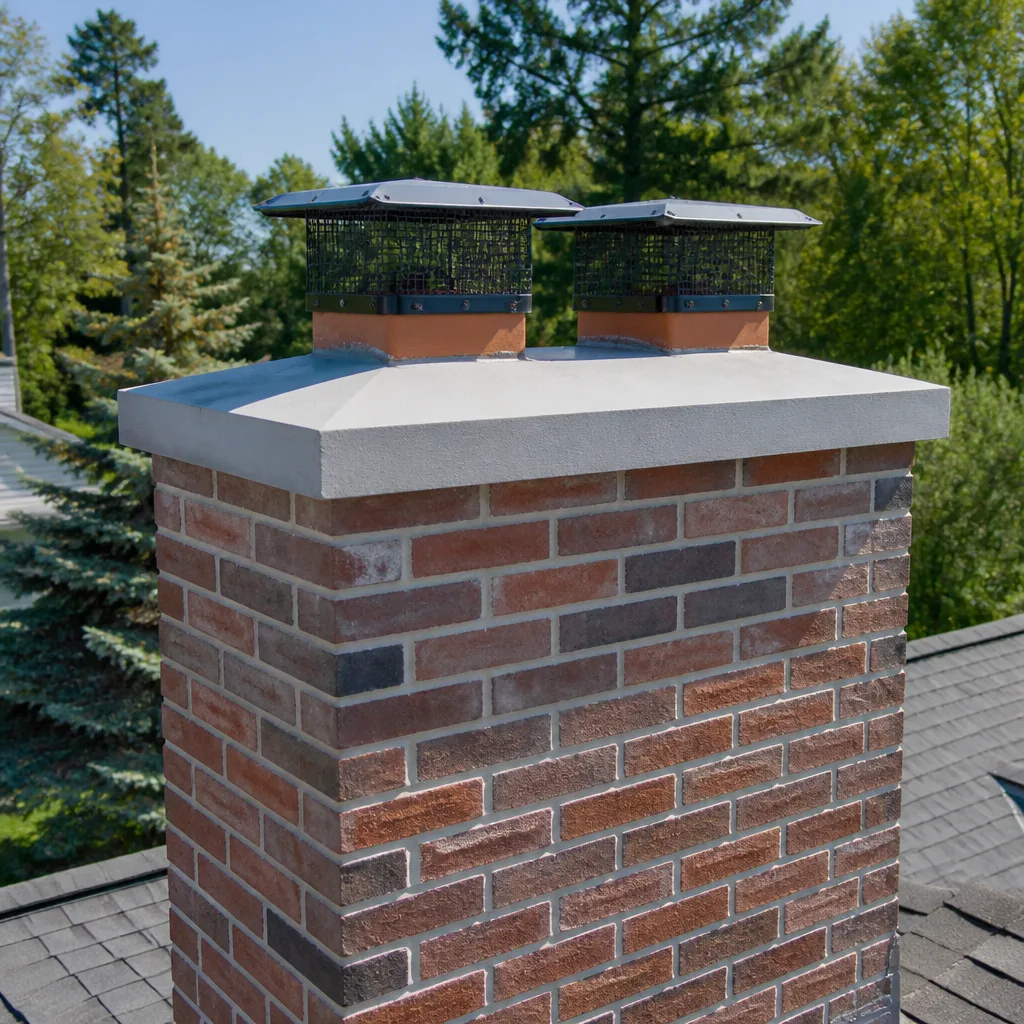 Caps & crowns
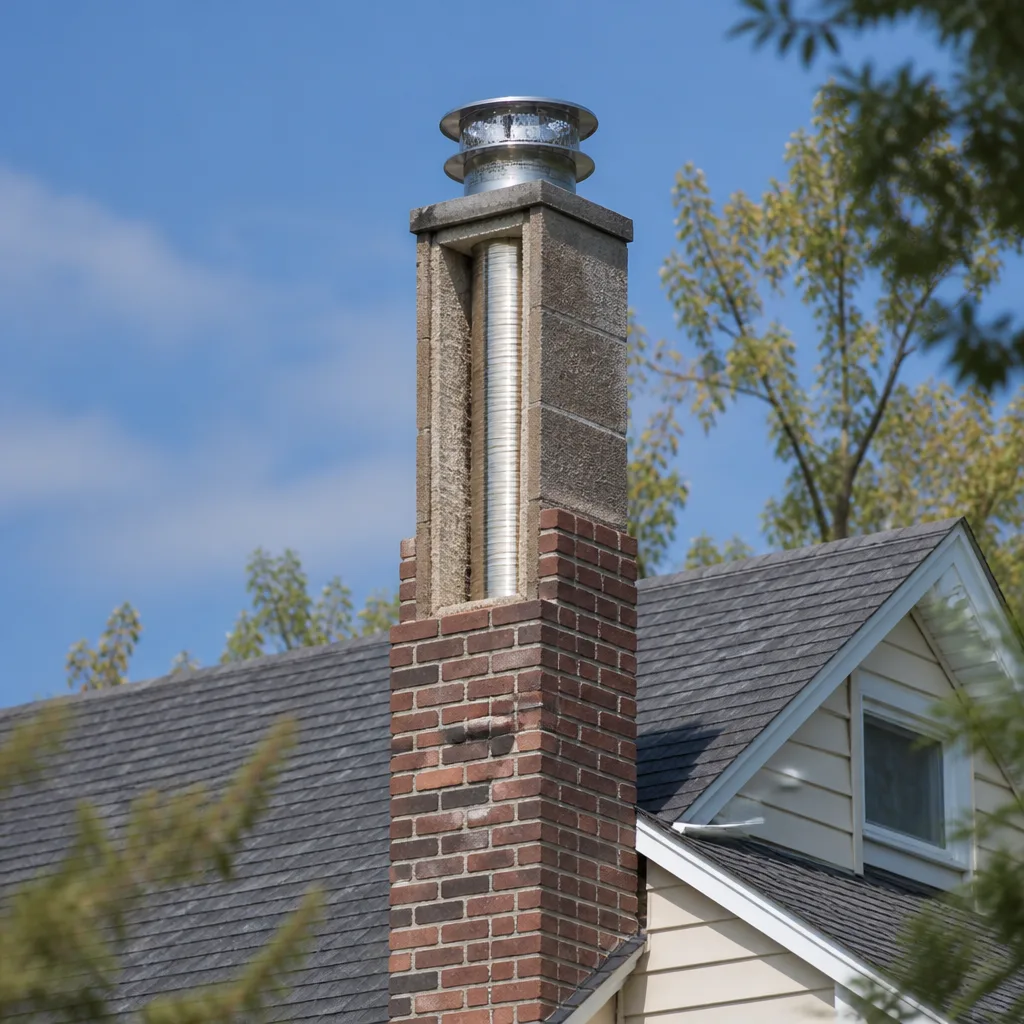 Flue relining
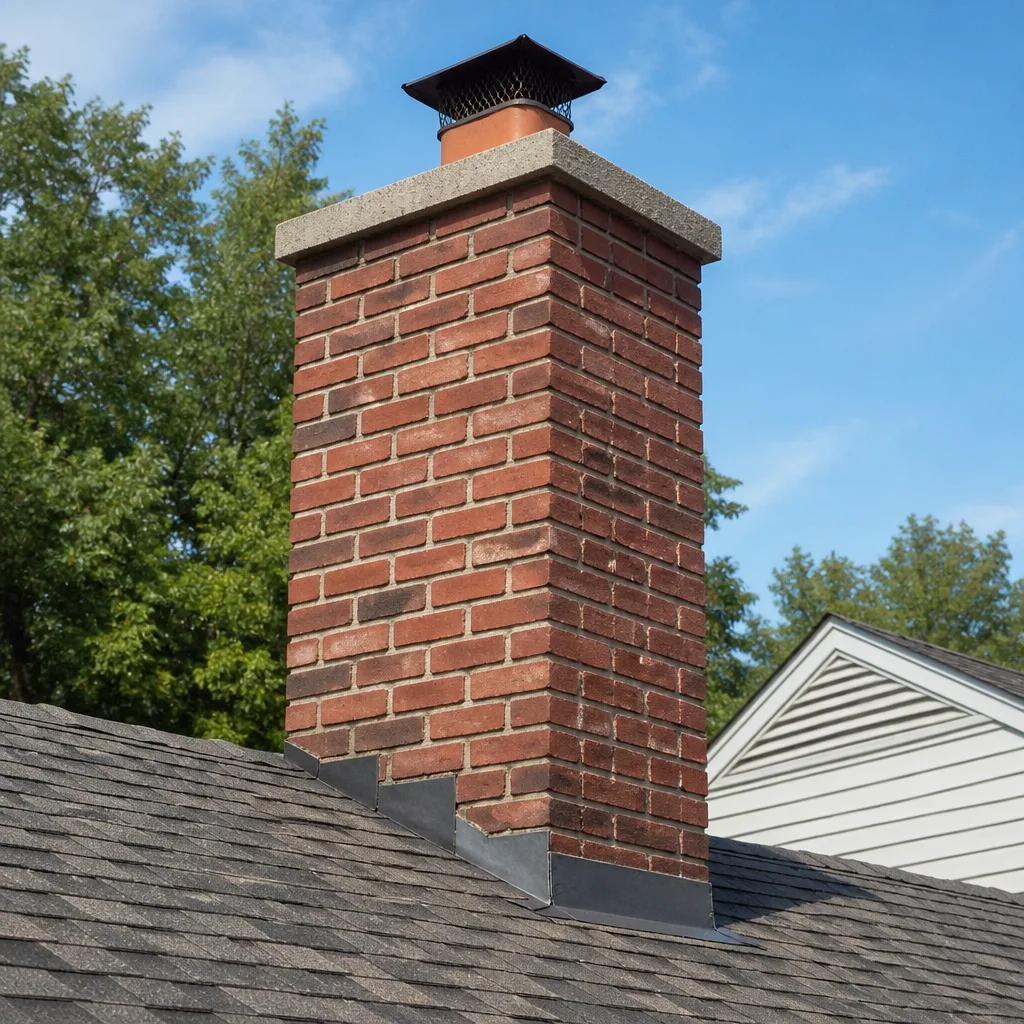 Masonry repair
 Gas fireplace service
Level 1 sweep and inspection to the NFPA 211 annual standard - flue, crown, cap, and flashing checked and photographed
Chimney sweep logs do not sweep chimneys. They loosen some creosote - which then falls where a brush and vacuum still have to collect it.
Choosing the Right Chimney Cleaning Brand: A Buyer’s Guide for Lewisville
Roofing has shingles you can name. HVAC has condenser brands you recognize. Chimney work has almost nothing. The liner hidden inside your flue, the cap sitting on top of it, the crown sealing the whole stack from rain – none of it carries consumer-facing brand recognition, so contractors can install bargain-tier components and most homeowners never learn the difference until something fails. That gap is worth closing. In this guide, we walk through the material categories where quality actually decides how long a repair lasts, the professional-grade brands working chimney specialists reach for, and the exact questions that reveal what a contractor is really installing on a Lewisville home.
Quick Answer
The right chimney brand isn’t a logo on a truck – it’s the material specified for your liner, cap, crown, damper and sealants. Professional-grade brands like DuraFlex, HeatShield, Gelco, Olympia Chimney, Famco and Copperfield are built to a spec that generic or distributor-house parts usually don’t match, and whether a chimney repair in Lewisville lasts five seasons or twenty depends on those specifications far more than on who swung the hammer.
Styles & brands we work with
- Sweep & inspection
- Caps & crowns
- Flue relining
- Masonry repair
- Gas fireplace service
Table of Contents
- Why chimney brands matter more than most homeowners realize
- The five product categories where quality decides everything
- What professional-grade brands actually do better
- Liner gauge: why 20-gauge vs. 24-gauge matters in North Texas
- How to ask a contractor about their supply chain without sounding adversarial
- Red flags that look fine on installation day and fail within two seasons
- How to read a chimney estimate like a contractor
- Sweep-only vs. full-service: what the materials tell you
Why chimney brands matter more than most homeowners realize
Chimney parts live in an environment that’s genuinely hostile to ordinary building materials. A flue takes combustion gases, moisture, heat cycling and, in the Lewisville area, the sharp spring and fall temperature swings that come with North Texas weather. Those swings are mild compared to a mountain climate, but they still push metal and masonry through repeated expansion and contraction. A component built to a professional spec tolerates that cycle for years. A cheaper alternative often doesn’t, and the failure is quiet: a pinhole in a liner, rust on a mesh screen, cracking at the crown edge.
That’s the reason the brands your contractor uses aren’t incidental. They’re the specification. A flexible stainless liner from a name like DuraFlex carries a documented wall thickness and alloy – material properties you can actually look up. A generic liner sold by the roll from a discount distributor may carry nothing more than a label. When the technician’s job is to tell you whether your flue is safe to use, the difference between “I installed a liner” and “I installed a DuraFlex flexible liner system to manufacturer spec” is the difference between a claim and a verifiable fact.
We work with the same materials chimney engineers specify, because that’s how a repair lands on a defined lifespan instead of the best guess of whoever happened to stock the shelf. For homeowners in Lewisville, the practical takeaway is simple: if a contractor can’t name the product going into your chimney, ask yourself whether the product is being chosen for the chimney or for the margin.
The five product categories where quality decides everything
Chimney systems break down into a handful of components, and each one has a “professional tier” and a “bargain tier.” Knowing the categories helps you ask better questions and spot a low-grade install before it costs you.
1. Chimney liners
The liner is the single most important component in the system. It carries flue gases out, protects the surrounding masonry from heat and corrosive condensate, and – on a properly sized flue – drives draft. Flexible stainless liners like DuraFlex are the standard for relining existing masonry chimneys; they’re installed as a continuous run, insulated, and capped at both ends. Rigid or sectional liners are used in some applications. Cheap liners cut corners on wall thickness and alloy grade, and that’s exactly where failure starts.
2. Chimney caps
The cap keeps rain, debris and animals out of the flue and sparks off the roof. A single-ply steel cap with non-stainless mesh looks acceptable on the day it’s installed and corrodes through a mesh screen within a couple of seasons. A multi-ply stainless cap with a welded frame is the professional-tier standard.
3. Chimney crowns
The crown is the concrete or masonry cap that sheds water away from the top of the chimney. Cracking at the crown is the single most common cause of water getting into a masonry stack. Crown repair coatings and pre-cast or cast-in-place crowns vary hugely – a thin, rubberized coating applied over a bad crown is a bandage, not a repair.
4. Waterproofing sealants
Masonry waterproofing has one job: keep liquid water out while allowing vapor to escape. Products that seal too tight trap moisture and accelerate spalling. Professional-tier breathable masonry sealers are a different product entirely from a generic water-repellent paint.
5. Damper systems
Top-sealing dampers and energy-saving firebox dampers sit at the top of the stack and seal the flue when the fireplace isn’t in use. The linkage, silicone gasket and lid material determine whether it operates smoothly for years or seizes up. This is one of the smaller-ticket items where material quality is most obvious in daily use.
What professional-grade brands actually do better
None of the brands below advertise to homeowners directly, so the names probably won’t ring a bell – and that’s fine. What matters is what each one does in the system and why a professional-tier brand is different from a generic equivalent.
- DuraFlex – flexible stainless liner systems. DuraFlex liners are the standard for relining masonry chimneys, and the brand is known for consistent alloy grades, documented wall thickness, and a proper insulation and cap package to complete the system.
- HeatShield – ceramic flue resurfacing. HeatShield is the specialized repair process used to restore a damaged clay-tile liner’s interior without a full liner replacement. It’s one of the more technically demanding repairs in the trade, and only a technician trained in the process should perform it.
- Gelco – crowns, dampers, caps and related chimney components. Gelco’s crown and top-sealing damper lines are built to a spec that holds up under real weather, not just the day of installation.
- Olympia Chimney – liners, caps, dampers and venting. Olympia’s product range is a common reference point for specialists, especially in the cap and venting categories.
- Famco – caps, dampers and related accessories with a more utilitarian component spec, often used where the chimney application is functional rather than decorative.
- Copperfield – another professional-tier brand in the liner and chimney component space, with products that a generalist handyman rarely stocks.
The common thread is specification. Each of these brands publishes what its products are made of, how thick the steel is, what alloy, what the warranty terms are. Generic distributor parts often don’t. When our technicians talk through repair options for a Lewisville home, we’re choosing from materials we can specify rather than materials we can only describe. A repair recommendation should be based on what’s actually available and appropriate, not on what happens to be on the shelf.
Liner gauge: why 20-gauge vs. 24-gauge matters in North Texas
Liner gauge is the most misunderstood number in chimney work. Gauge, confusingly, is inverted from the way most people assume: a lower gauge number means a thicker steel wall. So 22-gauge stainless is thicker than 24-gauge, and 20-gauge is thicker than 22-gauge. Common liner gauges you’ll see quoted are 24-gauge, 22-gauge and 20-gauge, with some applications using even heavier walls.
Why does that matter in a Lewisville climate? Because a metal liner in a working chimney goes through continuous heating and cooling across the calendar. Lewisville’s winters are mild, so the extreme cold-driven stress that a mountain climate produces isn’t the issue here. The issue is repetition: the flue heats during a fire, cools afterward, and does it again next week. Every one of those cycles flexes the metal slightly, and thinner walls accumulate fatigue faster. Add corrosive condensate from flue gases, and the thinner the wall, the sooner a pinhole can open up.
The practical rule most specialists follow is that a below-grade or heavily used flue wants the heavier gauge, while a straightforward straight-run liner in a lightly used fireplace can often follow the manufacturer’s spec at 22-gauge. The professional-tier liner brands publish an approved gauge and alloy for each application. A contractor choosing a liner without a spec sheet is guessing.
When a technician quotes a liner, ask three things: what gauge, what alloy (316L stainless is more corrosion-resistant than 304), and who makes it. If the answer is “stainless steel,” that’s not an answer.
How to ask a contractor about their supply chain without sounding adversarial
The trick to asking about materials is to frame it as curiosity about the plan, not doubt about the contractor. Most technicians are happy to talk through what they’re installing. Here’s a short sequence of questions that reveals whether a contractor stocks professional-grade materials or sources whatever is cheapest that week.
- “What brand of liner system do you normally install?” – A specialist will name a brand like DuraFlex, Olympia Chimney or similar. A sweep-only outfit will hedge.
- “What gauge and alloy would you use on my flue?” – The answer tells you whether the technician is thinking about your chimney’s specific use or applying a one-size number.
- “Is the cap stainless, and how many plies?” – A single-ply cap is a red flag. A multi-ply stainless cap with a welded or riveted frame is what you want.
- “What are you applying to my crown, and is it a coating or a rebuild?” – Both are valid repairs; the wrong one is a coating over a failing crown.
- “Is the waterproofing breathable?” – A professional will know why that matters.
- “Can I see the manufacturer’s spec sheet for the product going in?” – The best contractors keep these on file and don’t mind sharing.
Delivered in that order, those questions read as due diligence, not suspicion. And they give you the material literacy to sanity-check an estimate. If a contractor’s response to every one of those is “we use the good stuff,” you’ve learned something useful.
Red flags that look fine on installation day and fail within two seasons
The worst chimney materials are the ones that pass visual inspection the day they’re installed. The problems show up later, and by then the contractor is long gone. Here’s what to watch for.
- Single-ply steel caps with non-stainless mesh. The mesh is the first thing to go – it rusts through, animals get in, and the cap becomes a liability instead of protection.
- Non-breathable masonry sealers. Anything that fully seals the masonry stops vapor from escaping, traps moisture, and accelerates spalling. It looks great for a year, then the face of the brick starts flaking.
- Thin, rubberized crown coatings applied over a cracked crown without addressing the crack. A coating over a failure is a coating over a failure. The water still gets in.
- Generic liners with no gauge or alloy documentation. If the contract can’t say what’s going in and to what spec, walk away.
- Mismatched damper hardware. A top-sealing damper installed with a linkage and gasket that aren’t designed for the lid size will bind, seize, or fail to seal within a season or two.
- Mixed-brand kits that were never designed to work together. A liner from one source, a cap from another, a top plate from a third – the interfaces are the failure points.
None of these are things a homeowner should be expected to catch alone. That’s why the estimate and the inspection matter: the point of an inspection is to give you the evidence to distinguish between “installed correctly with professional-tier materials” and “installed at all.”
How to read a chimney estimate like a contractor
Most homeowners look at the bottom line of a chimney estimate. The useful information is one level up. Here’s what a professional-tier estimate contains, and what its absence usually signals.
- Brand and product name for every material going in – not just “liner,” but the specific liner brand and model.
- Gauge and alloy for any stainless component. If the estimate doesn’t say, ask.
- Scope of the sweep and inspection stated separately from the repair, so you can tell whether the cleaning was a service or a sales pitch.
- Foundation for the recommendation – a camera-inspection finding, a photo, or a specific condition in the flue that justifies the repair.
- What’s NOT included – crown rebuilds, chase covers, and masonry work are sometimes separate line items, and that’s fine. Just be clear on what’s covered.
An estimate that lists one lump sum with no product detail is a warning. An estimate that names the DuraFlex system, the gauge, the cap and the crown coating is a plan. If you want to compare apples to apples across quotes, ask every contractor for the same line items – the difference in specification will explain most of the difference in price. A sweep, inspection, or full chimney repair should all come with that same clarity.
Sweep-only vs. full-service: what the materials tell you
A sweep-only outfit brushes the flue and leaves. That’s a legitimate service, and it’s often all a well-maintained chimney needs. The moment a chimney has a real problem – a cracked liner, a failing crown, a top-sealing damper that won’t close – the sweep-only approach stops being useful, because the fix requires diagnosing and specifying materials.
The most reliable signal of which kind of contractor you’re talking to is how they handle materials. A specialist keeps a short list of professional-tier brands they install and can explain why. A generalist handyman doing chimneys on the side sources whatever is on the shelf at the nearest distributor. Neither is dishonest. But only one of them can give you a repair that lands on a defined lifespan.
We keep the sweep, the inspection and the repair in one place because the sweep without the inspection misses hidden deterioration, and the inspection without the repair capability leaves you calling around for someone else to finish the job. On a Lewisville home, that matters: our technicians have up to 14 years of experience and have seen how often a small problem caught during a sweep turns into a liner or masonry rebuild when it isn’t addressed.
Common Mistakes to Avoid
- Choosing on price alone. Chimney work is a small market: a quote that’s dramatically cheaper almost always means a lower-tier material somewhere in the system. Ask what changed.
- Letting the cap get picked by default. A cap is not a cap. If the estimate doesn’t name a brand or specify stainless, that’s where the cost got cut.
- Approving a liner replacement without a camera-inspection finding. The camera shows you why the liner is failing. Any recommendation you can’t see the evidence for deserves a second look.
- Accepting a “waterproofing” that seals the masonry tight. North Texas rain is real, but so is vapor. A non-breathable sealer traps moisture and spalls the brick from the inside.
- Skipping the inspection between sweeps. A sweep clears the flue; only an inspection finds the cracked crown, the spalling mortar joint, or the early liner failure that a brush never touches.
- Having a different contractor do the sweep and the repair. A sweep specialist who then hands off the repair can’t guarantee the recommendation matches the work, and no single party is accountable.
- Ignoring a slow-starting fire or a smoky fireplace. Weak draft is almost always a system problem – a liner issue, a sizing issue, a cap or damper issue – not a wood problem. Ask what the root cause is.
See the difference
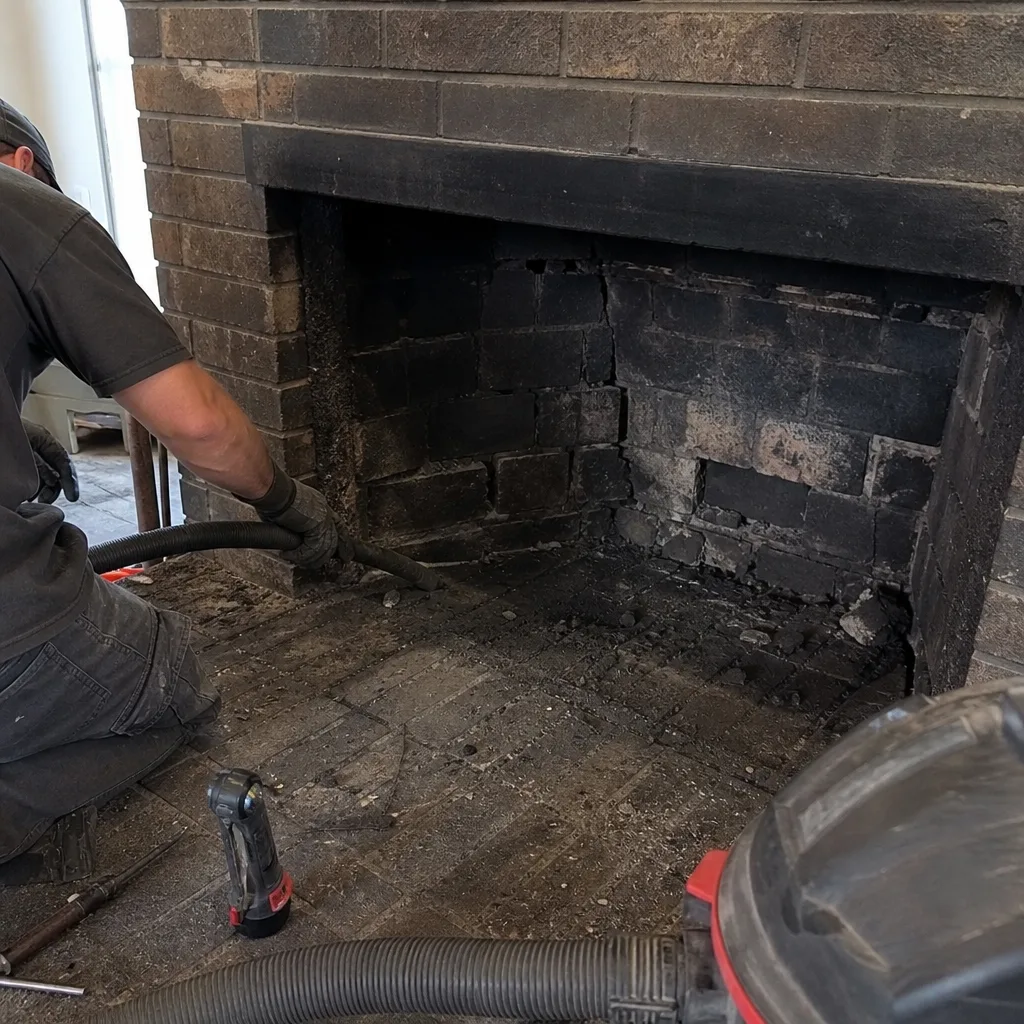 Before
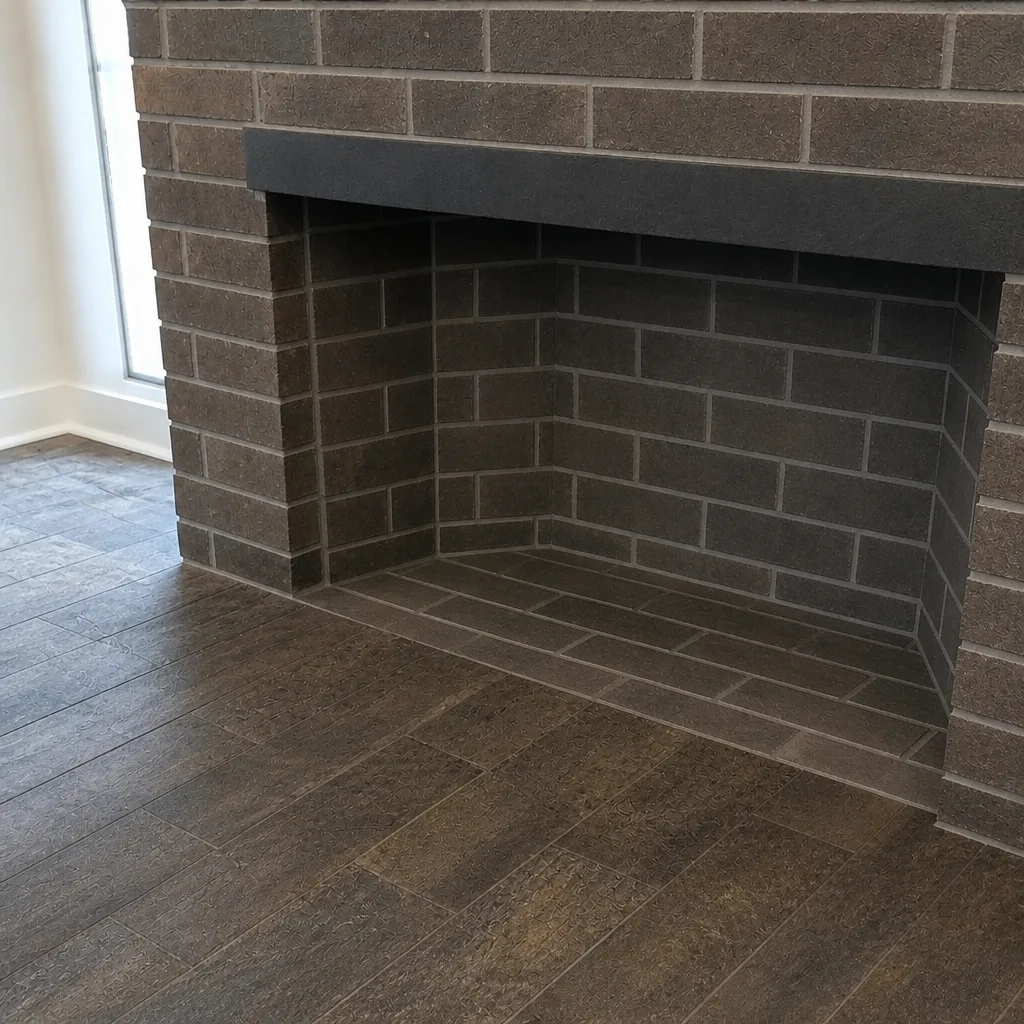 After
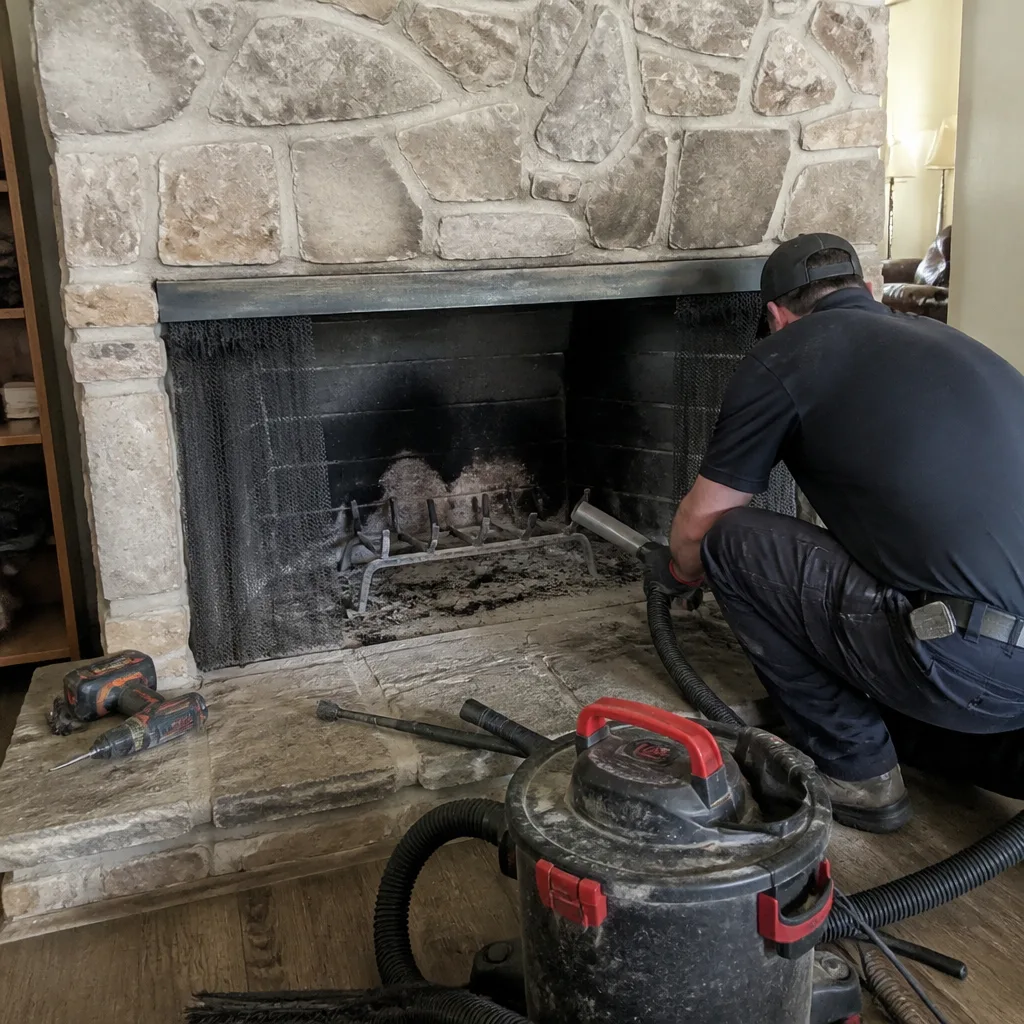 Before
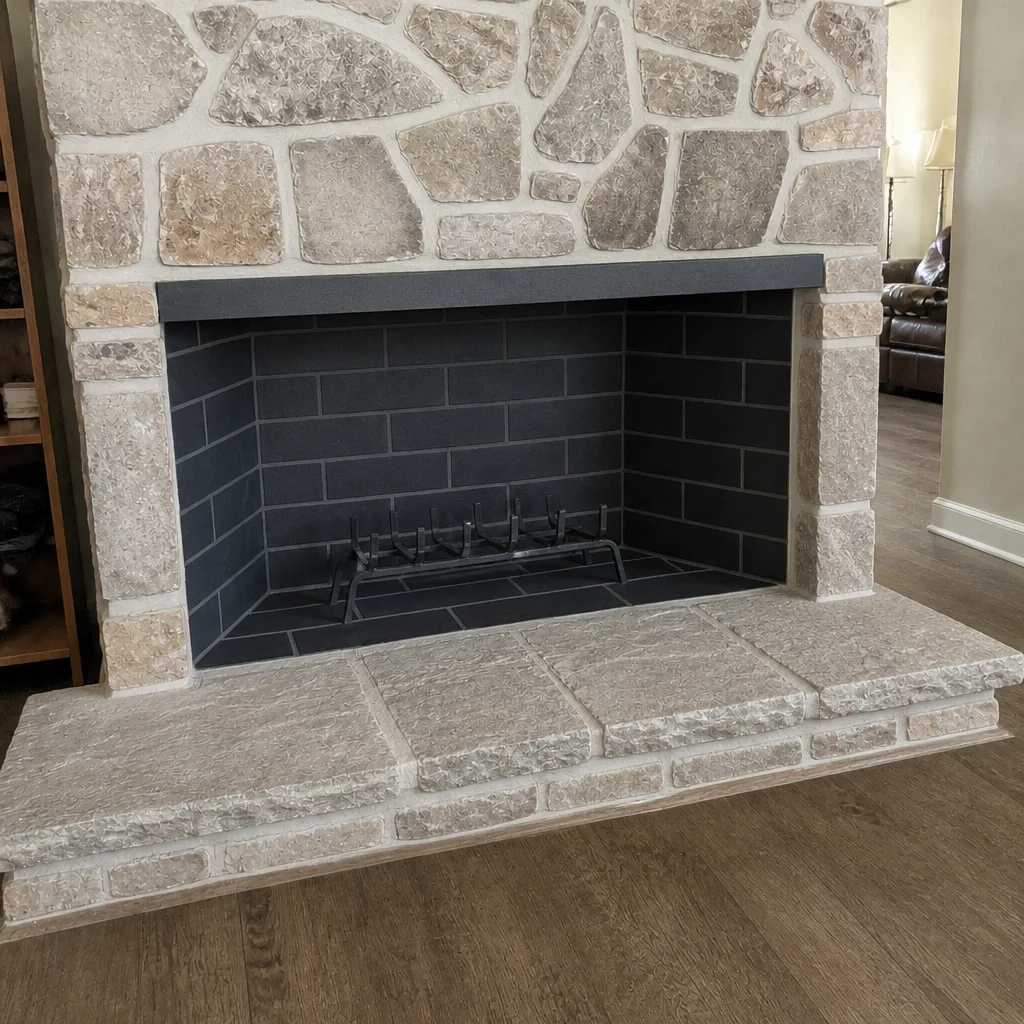 After
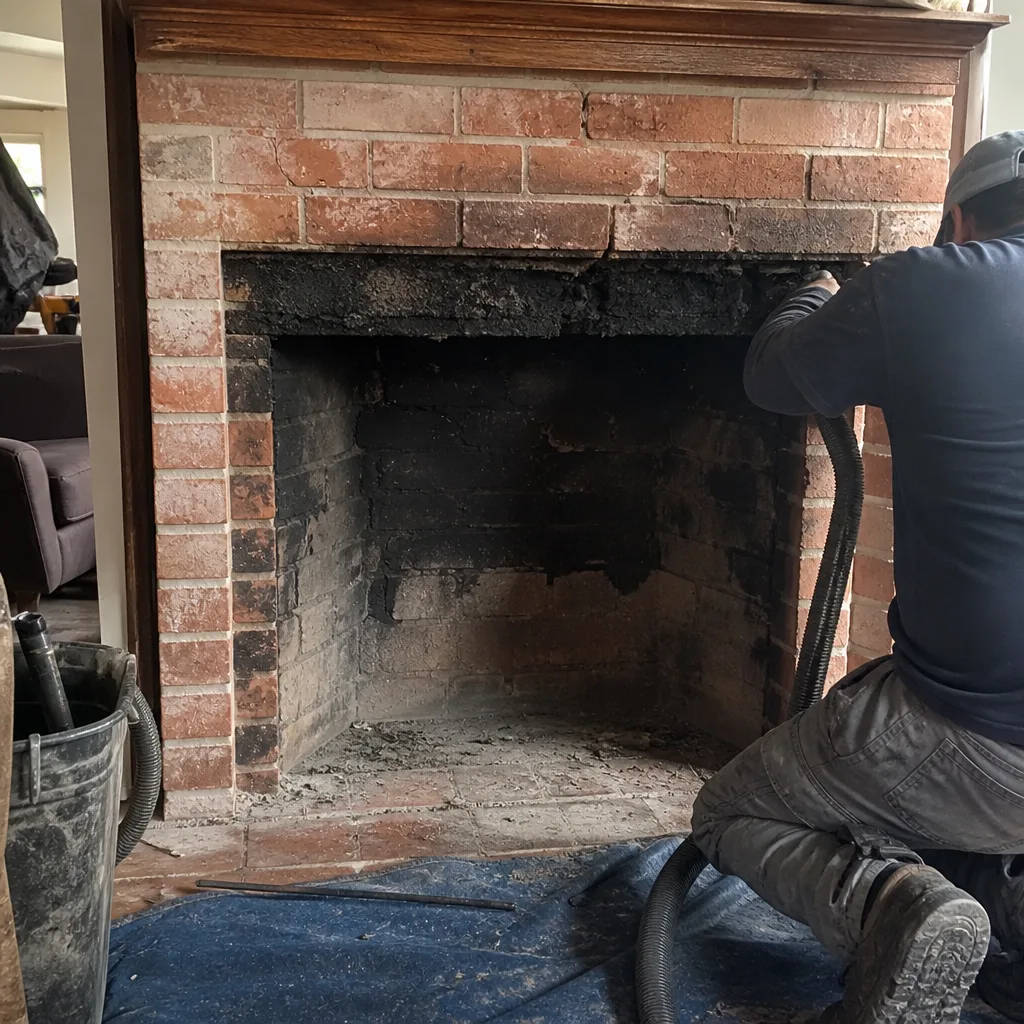 Before
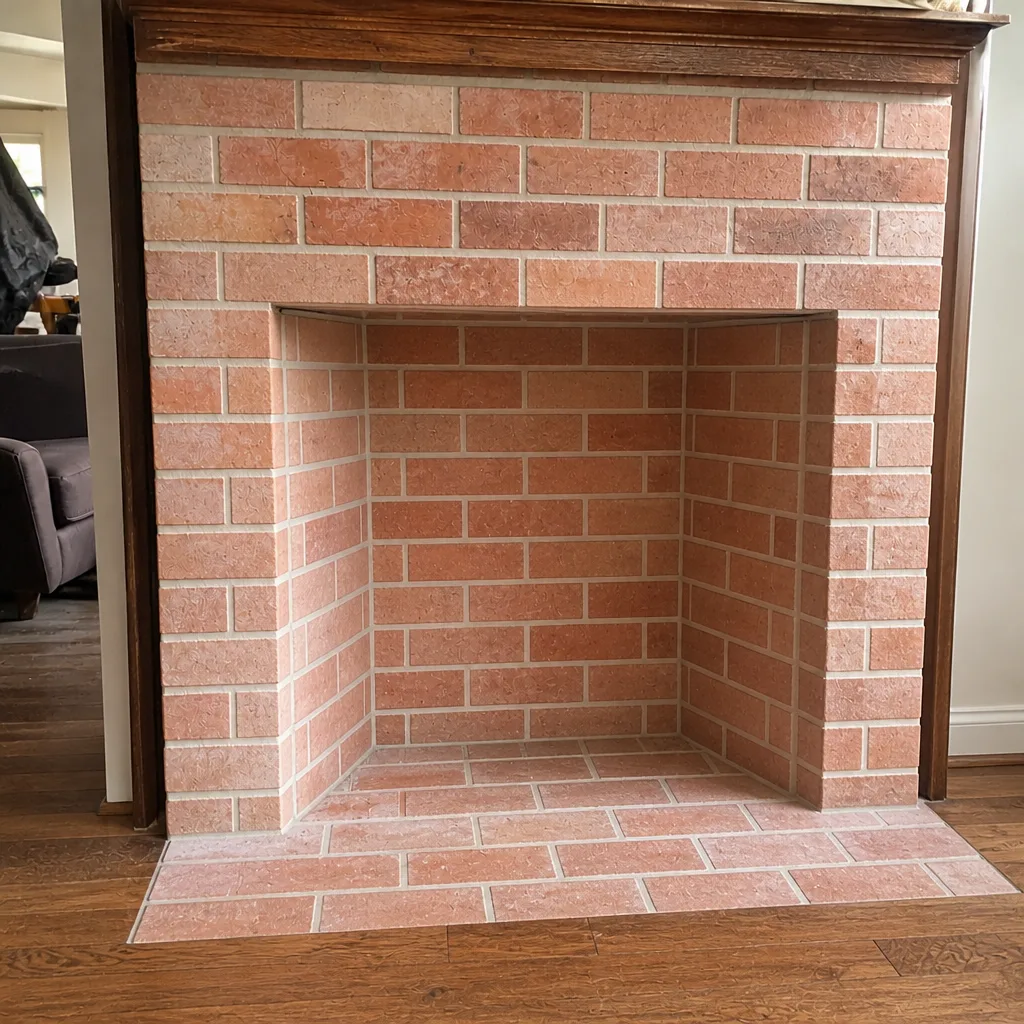 After
When to Call a Professional
Some chimney work needs to go to a trained technician. If your damper won’t close, if the fireplace smokes back into the room, if you smell a campfire in the house on a cool evening with no fire burning, or if your last inspection flagged a cracked liner or failing crown, call. Creosote at stage two or three is a chimney-fire hazard, and a flue with an unaddressed liner problem is a life-safety issue – not a project to defer.
The other scenario is when a contractor has told you a repair is needed and you can’t verify it. That’s exactly the situation we want to prevent. Our inspections are camera-based and come with a photo report, so you see what the technician sees. Nothing gets recommended without evidence you can evaluate yourself, and when a repair can safely wait, we say so.
Lewisville Chimney Sweep offers free estimates in Lewisville – call (888) 424-2086. We answer 24/7. Fast dispatch from 7am to 7pm, Sunday through Friday.
Frequently Asked Questions
Professional-grade brands like DuraFlex, HeatShield, Gelco, Olympia Chimney, Famco and Copperfield are common references in the specialist market. If a contractor can’t name their liner, cap or crown supplier, ask why – the brand is the specification, and the specification is what decides how long the repair lasts.
Yes – lower gauge numbers mean thicker steel, so 20-gauge is heavier and more durable than 24-gauge. The right gauge depends on the flue’s use and configuration, but heavier gauge is generally preferred in heavily used or below-grade applications. Ask your contractor what gauge and alloy the manufacturer specifies for your chimney; call (888) 424-2086 for an exact quote – estimates are free.
A sweep cleans; an inspection finds hidden problems; a repair fixes what the inspection found. A sweep without an inspection often misses cracks, crown failures and early liner issues. We offer all three as one connected service so the same team that cleans your chimney can tell you what it needs and do the work.
HeatShield is a ceramic flue resurfacing process used to repair a damaged clay-tile liner’s interior without a full liner replacement. It’s one of the most technically demanding chimney repair methods, and it’s a fit for some liner conditions but not all. Whether you need it depends on a camera inspection of your flue. If a contractor recommends it, ask to see the finding that justifies it.
Single-ply steel with non-stainless mesh is the giveaway. It looks fine on installation day and the mesh corrodes within a couple of seasons, letting animals and water in. A multi-ply stainless cap with a welded or riveted frame is the professional-tier standard. Ask for stainless in the estimate, not just “a cap.”
Ask for the evidence: a camera inspection, a photo, or a specific condition the technician found. Any legitimate repair is tied to something visible in the flue. If you can’t see why the work is needed, don’t approve it. Call (888) 424-2086 for a free estimate and camera-based inspection in Lewisville.
In most cases, yes – masonry chimneys benefit from a breathable waterproofing sealer to keep rain out while letting vapor escape. The problem is non-breathable sealers that trap moisture and spall the brick. Ask whether the waterproofing you’re quoted is breathable and what brand it is.
The Bottom Line
The brand names your contractor installs are not incidental – they decide how long a chimney repair lasts. DuraFlex, HeatShield, Gelco, Olympia Chimney, Famco and Copperfield are professional-tier brands for a reason: they publish their specs, and those specs are what a technician actually chooses against. Gauge and alloy matter more than marketing. Caps, crowns, sealants and dampers each have a professional tier and a bargain tier, and the bargain tier fails quietly. Read the estimate, ask three questions, and see the inspection evidence. If a Lewisville contractor can answer all three with a name and a number, you’re working with a specialist. If they can’t, keep looking.
Our team at Lewisville Chimney Sweep brings the sweep, the inspection and the repair together, with professional-grade materials across liners, caps, crowns, dampers and waterproofing. If you want a technician who can speak liner gauge and HeatShield resurfacing as fluently as creosote, we’re the call. Reach out for a chimney sweep in Lewisville and a camera-based inspection – call (888) 424-2086 for a free estimate. We answer 24/7. Fast dispatch from 7am to 7pm, Sunday through Friday.
Written by the team at Lewisville Chimney Sweep.