
Last updated November 15, 2026
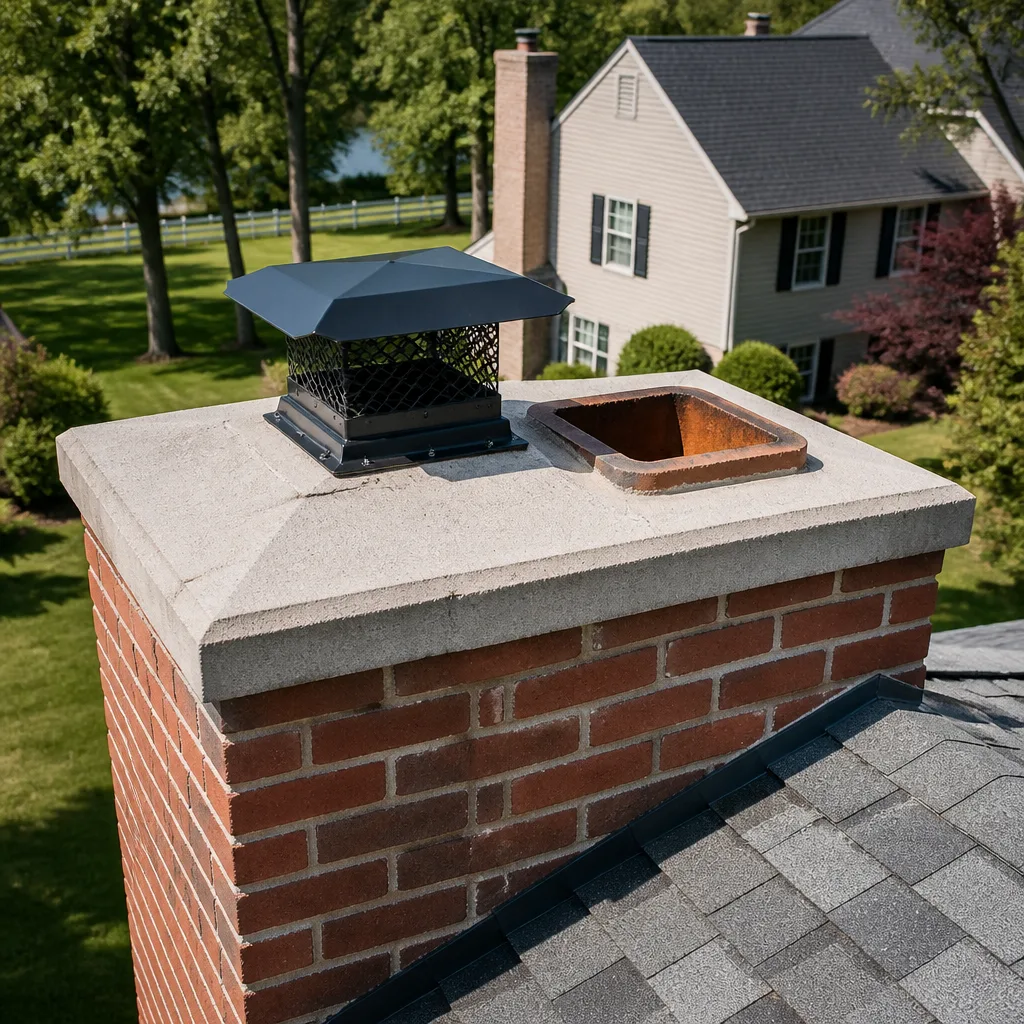 Sweep & inspection
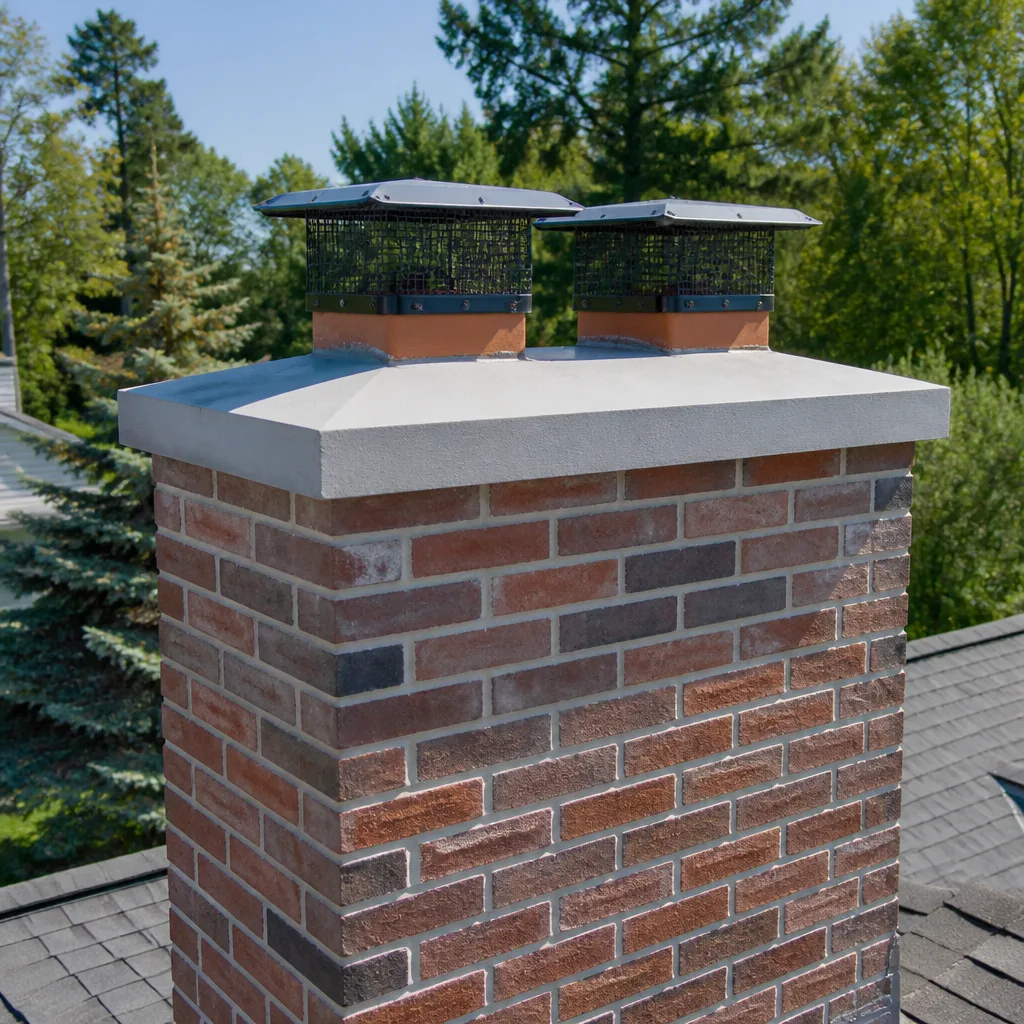 Caps & crowns
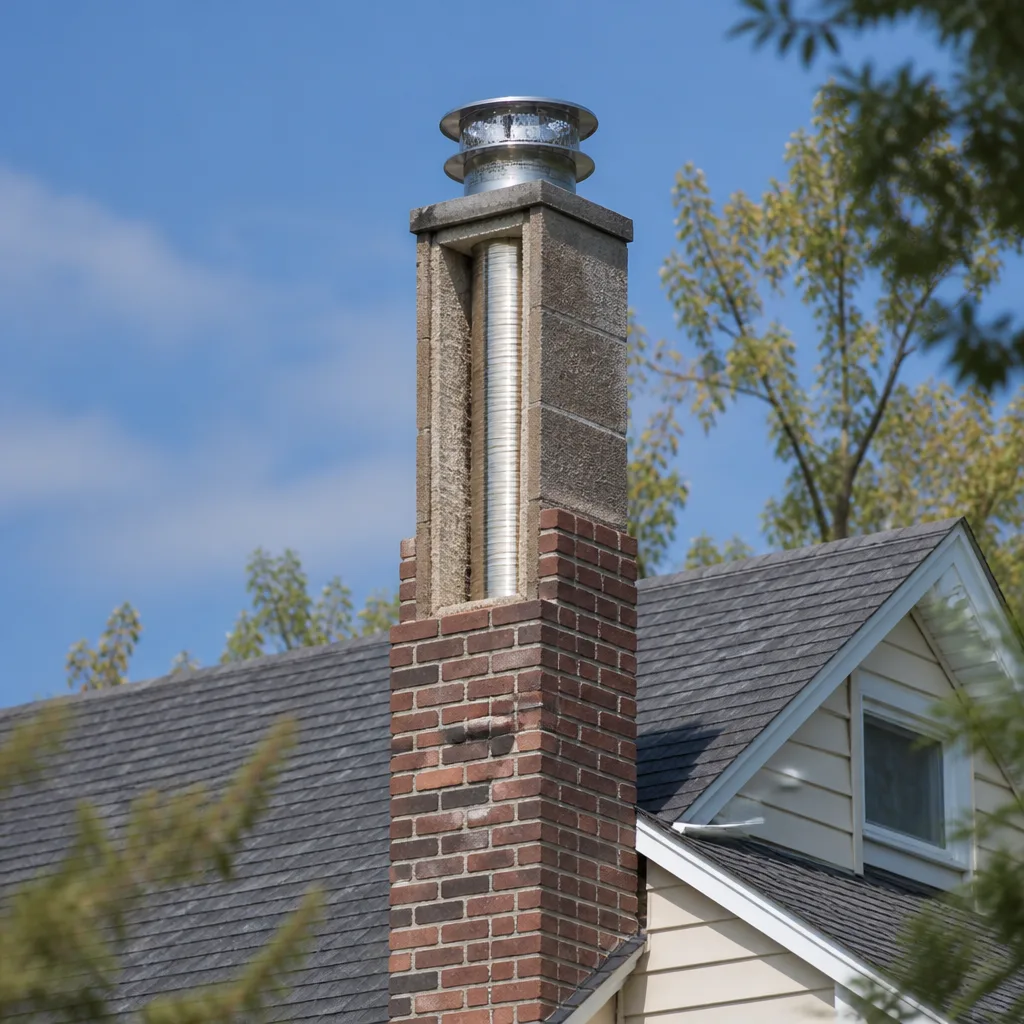 Flue relining
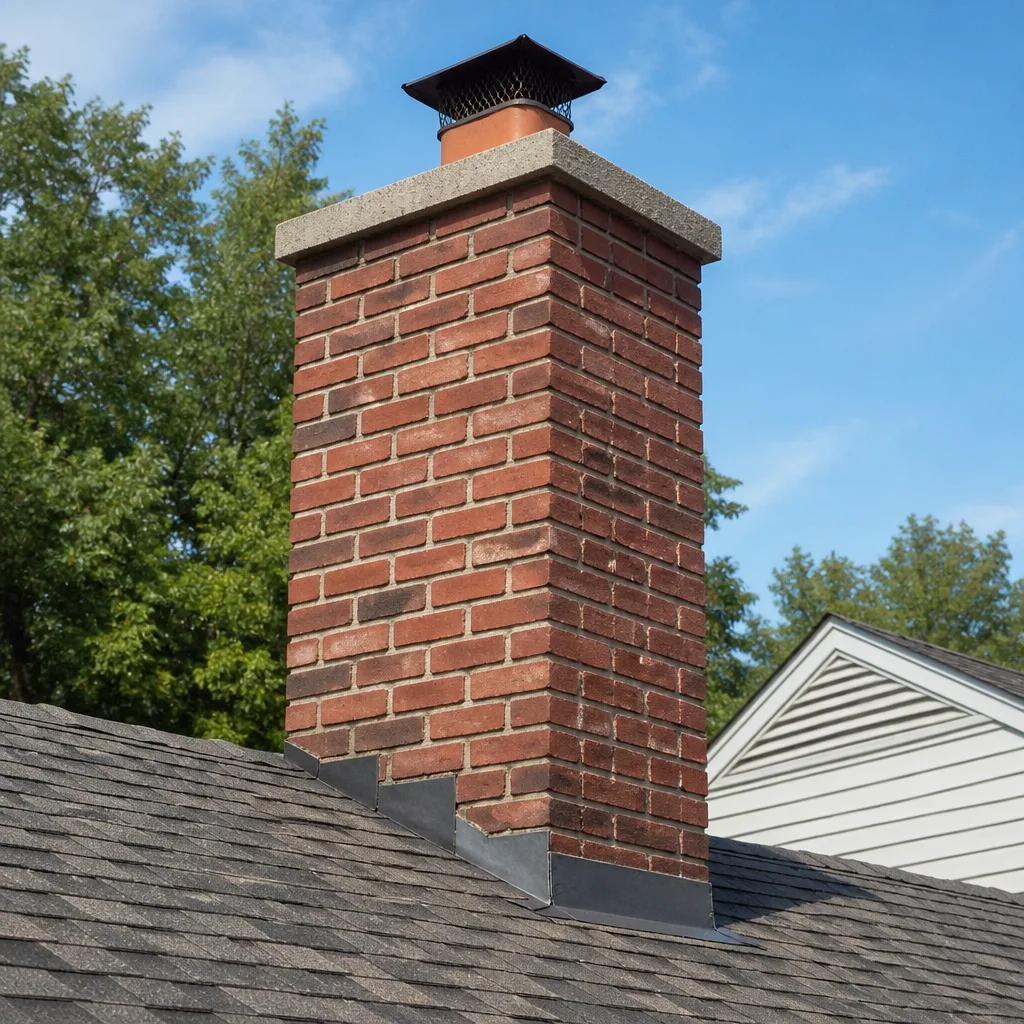 Masonry repair
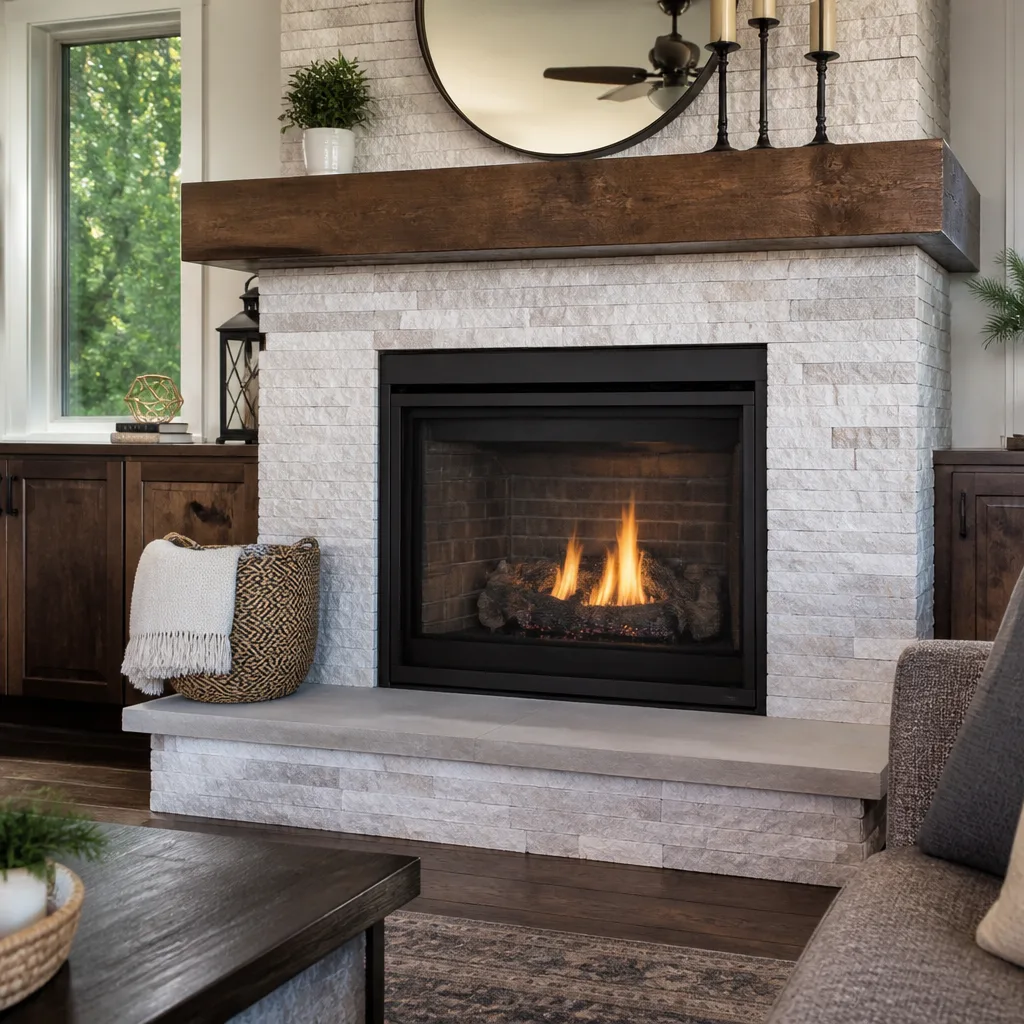 Gas fireplace service
Level 1 sweep and inspection to the NFPA 211 annual standard - flue, crown, cap, and flashing checked and photographed
Chimney sweep logs do not sweep chimneys. They loosen some creosote - which then falls where a brush and vacuum still have to collect it.
Seasonal Chimney Cleaning Care for Lewisville: Year-Round Homeowner’s Guide
Every national chimney guide tells you to schedule your sweep in September. In Lewisville, that advice ignores three months of summer humidity that can accelerate mortar deterioration and change how creosote deposits behave by the time fall arrives. Our summers hold moisture in the masonry long after the last fire goes out, and our winters are mild enough that the traditional “clean before winter” calendar misses the real risk window. This guide walks through what actually happens to a Lewisville chimney across all twelve months: when deposits form, when mortar suffers, when odors appear, and when a sweep or inspection earns its place on your calendar. By the end you’ll know how to time seasonal chimney cleaning care in Lewisville around local conditions rather than a generic national schedule.
Quick Answer
The best time to schedule a chimney sweep in Lewisville is late spring, after your last fire and before summer humidity sets in, paired with a second inspection in early fall before the heating season. Late-season fires through February and March are common in North Texas, so a post-season check matters as much as a pre-season one. Summer is when you protect the masonry with waterproofing and crown maintenance, and summer is also when unused flues start to smell.
Styles & brands we work with
- Sweep & inspection
- Caps & crowns
- Flue relining
- Masonry repair
- Gas fireplace service
Table of Contents
- Why Lewisville’s Climate Changes the Chimney Calendar
- How Creosote Behaves in a Humid Subtropical Climate
- Why You Need a Post-Season Inspection, Not Just a Pre-Season One
- Summer Masonry Care: Waterproofing and Crown Sealant Timing
- Summer Chimney Odor: What It Is and What Causes It
- The Lewisville Service Calendar, Month by Month
- What a Proper Sweep and Inspection Actually Involves
- What You Can Check Yourself and Where to Stop
Why Lewisville’s Climate Changes the Chimney Calendar
Most chimney care advice is written for the Northeast and Midwest, where a hard freeze marks a clear end to the burning season and dry air keeps masonry relatively stable the rest of the year. Lewisville sits in a humid subtropical zone. Winters are mild, springs are wet, and summers are long, hot and humid. That combination changes two things that matter for your chimney: how fast masonry deteriorates, and how creosote deposits behave between burns.
In a dry climate, a masonry chimney dries out quickly after rain. Here, moisture lingers in brick, mortar and the crown. When the sun comes back out and heats that saturated masonry, the trapped water expands and pushes against the surface. Over many cycles, mortar joints start to crumble and spall, and the crown – the concrete cap at the top – cracks. Once the crown cracks, water gets into the chimney structure itself, and the damage accelerates.
That’s why the calendar here can’t just copy a national guide. The real threats in Lewisville are:
- Summer humidity holding moisture in masonry for weeks, not days.
- High UV and heat baking that moisture out unevenly and stressing the crown and mortar.
- Late cold snaps through February and March that extend the burning season past what most guides assume.
- Unused flues in summer that collect humid air and start to smell.
None of these are emergencies. But each one has a season, and knowing which season is which is the whole point of a Lewisville-specific approach to Lewisville Chimney Sweep care.
How Creosote Behaves in a Humid Subtropical Climate
Creosote is the tar-like residue left behind when wood burns incompletely. It forms in three recognizable stages, and each stage behaves a little differently when the air around it is humid rather than dry.
Stage One: Soot and Flaky Deposits
Stage one creosote is light, flaky and soot-like. A brush removes it easily. In a humid climate, stage one deposits can absorb moisture from the air and clump together over the summer, which is one reason a spring sweep beats a fall-only schedule. If you sweep in late spring, you’re removing the deposits before the humid months give them a chance to consolidate.
Stage Two: Crusty, Brittle Deposits
Stage two creosote forms a crust on the flue walls. It’s harder to remove and it’s the stage where humidity starts to matter more. Moisture can work into the crust, soften it slightly, and then dry it into a denser layer the next hot week. Sweeping stage two deposits calls for more than a quick brush pass – the technician has to actually remove the crust, verify the flue is clean, and inspect the liner underneath.
Stage Three: Glazed, Tar-Like Deposits
Stage three creosote is the dangerous one. It’s a hardened, glazed layer that a standard brush won’t touch. In a humid climate, the repeated moisten-and-dry pattern can make this glazing denser over time. Stage three deposits are highly flammable and are a leading cause of chimney fires. If a sweep reveals stage three, the flue needs specialized removal methods, and depending on the condition of the liner, a resurfacing product like HeatShield or a flexible liner system like a DuraFlex liner may be part of the repair plan.
We work with the same materials chimney engineers specify, which matters here because the repair method has to match the deposit stage and the condition of the flue. A generalist handyman with a brush and a shop vac can’t grade creosote accurately, and can’t fix what the grading reveals.
Why You Need a Post-Season Inspection, Not Just a Pre-Season One
In much of the country, the burning season ends in early spring and the chimney sits idle until fall. In Lewisville, it’s common to burn well into February and sometimes March, especially during a late cold snap. That means the traditional “sweep in September, forget it until next year” plan leaves a real gap: the deposits that formed during December, January and February sit in the flue all spring and summer, exposed to humidity, before anyone looks at them.
A post-season inspection closes that gap. It’s a different appointment from a pre-season sweep, and it serves a different purpose:
- It grades the creosote that accumulated through the full season, including the late burns that a September sweep would never have seen.
- It checks the masonry for moisture damage after winter rains have had months to work into any existing cracks.
- It verifies the crown and cap before the high-heat months bake any trapped water out and crack the surface further.
- It catches liner problems early, when a resurfacing product like HeatShield can still extend the liner’s life instead of a full replacement.
Pairing a post-season inspection in late spring with a pre-season sweep in early fall gives your chimney two honest checkpoints per year. That’s the calendar that fits Lewisville. If you’re in a neighborhood like Old Town or Valley Ridge where older masonry chimneys are common, the post-season check is where the real information comes from.
Summer Masonry Care: Waterproofing and Crown Sealant Timing
Summer is when Lewisville’s humidity does its slowest and most damaging work. The high-UV, high-heat months are also the best window for protective treatments, but only if they’re applied at the right moment in the season. Treating masonry at the wrong time can trap moisture inside instead of keeping it out.
Here’s how to think about summer masonry care in Lewisville:
- Inspect first, treat second. A waterproof coating applied over a cracked crown or crumbling mortar joints seals the water in. The inspection has to come before any treatment is applied.
- Repair the crown before waterproofing. Crown cracks are the most common entry point for water. Whether the fix is a crown sealant or a rebuild, it has to happen before the masonry coating goes on.
- Apply waterproofing during a dry stretch. Masonry needs to be dry when the coating goes on and stay dry while it cures. In Lewisville, that usually means picking a window between rain events and confirming the forecast holds.
- Reapply crown sealant on a schedule. Crown sealant isn’t permanent. It needs periodic reapplication as it weathers under UV and heat.
- Watch the flashing and mortar joints. Water at the roof line and crumbling mortar at the joints are the two most common summer damage paths. Both are cheaper to fix early than after a season of moisture cycling.
We stock professional-grade masonry products from brands like Gelco and Olympia Chimney because the treatment has to match the masonry condition. A cracked crown needs a crown repair product, not a coat of generic sealer. Getting the material right is half the job; applying it at the right point in the summer is the other half.
Summer Chimney Odor: What It Is and What Causes It
The smell that appears from a fireplace in July is almost always a humidity-driven phenomenon. When a flue sits unused through a Lewisville summer, humid air settles in it. That air mixes with the creosote and soot residue left from last season, and the combination produces a sour, smoky, sometimes acrid odor that drifts back into the house on still, hot days.
It’s not a mystery, and it’s not just a nuisance. The odor is a signal. Here’s what it typically points to:
- Creosote residue left from last season. Deposits that a post-season sweep would have removed are now absorbing summer humidity and off-gassing into the house. This is the most common cause by far.
- A missing or damaged damper. The damper is supposed to close the flue when the fireplace isn’t in use. If it’s stuck open or sealed poorly, humid summer air moves freely between the flue and the living space.
- Negative pressure in the house. Modern homes are tight, and when the air conditioning runs hard, the house pulls air from wherever it can – sometimes down the flue. That draws chimney odor into the house with it.
- Water intrusion at the crown or flashing. If the crown is cracked or the flashing is failing, moisture from outside can work into the chimney structure and add a damp, musty note to the smell.
- A damaged or improperly sized flue liner. A liner with cracks or gaps doesn’t seal the flue properly, which lets humid air and residue interact more freely.
An odor problem in summer is worth diagnosing rather than masking. A camera inspection tells you which of these causes is the real one. In our experience, the fix is usually a post-season sweep plus a damper adjustment, but occasionally it reveals a crown crack or a liner issue that has been building quietly for a couple of seasons. The important thing is that nothing gets recommended without evidence you can see on camera.
The Lewisville Service Calendar, Month by Month
Here’s a Lewisville-specific service calendar. It reflects local climate and the way Lewisville homes actually use their fireplaces, not a national template.
January – February: Peak Burning Season
This is when the fireplace does the most work and creosote accumulates fastest. Mid-season, check that the damper operates smoothly and the fire draws well. If smoke backs up into the room, stop burning and get the flue looked at – don’t wait for spring.
March – April: Late-Season Burns and the Post-Season Sweep
Late cold snaps through March are common here, so many homes burn into early spring. As soon as the burning season ends, book the post-season sweep. This is the most important appointment on the Lewisville calendar because it removes the full season’s deposits before humidity sets in. It’s also the right time to assess creosote stage while the evidence is fresh.
May – June: Masonry Inspection and Repair
With the flue clean, this is the window to inspect the masonry, crown and flashing, and to schedule any repairs before the peak heat. Crown repair, mortar repointing and liner assessment all happen here. If the inspection reveals a liner issue, a HeatShield resurfacing or a DuraFlex liner install can be scheduled before the hottest weeks.
July – August: Waterproofing and Odor Season
This is when the humidity peaks and masonry protection pays off. Apply waterproofing during a dry stretch, verify crown sealant is intact, and address any chimney odor before it becomes a household problem. If you smell the fireplace in July, that’s the summer odor pattern described above – a sweep and inspection will diagnose it quickly.
September – October: Pre-Season Sweep and Inspection
Before you light the first fire, book a sweep and inspection. No matter how clean the flue was in spring, a pre-season check verifies that summer weather didn’t introduce a new crack, that nesting animals haven’t moved into the flue, and that the damper and cap are ready. This is the appointment that most people associate with chimney care, and it’s a good one – just not the only one you need here.
November – December: Burning Season Begins
The first fires of the year are when draft problems show up most clearly. Pay attention to how the fire draws and how the room smells. If a cap came loose in fall winds, the draft suffers first. Any change in how the fireplace behaves is worth noting for the post-season check.
That’s six checkpoints across the year. You don’t need every one, but skipping both the post-season and pre-season appointments is how chimneys in Lewisville quietly fall behind.
What a Proper Sweep and Inspection Actually Involves
A sweep that’s done right is a diagnostic process, not just a cleaning. Here’s what we walk through on a typical appointment.
- Set up the work area. Drop cloths, a sealed work area and a HEPA vacuum keep the house clean throughout the process.
- Sweep the flue. The technician runs the appropriate brush, sizes it to the flue, and works from the top or bottom depending on access. Creosote stage determines the brush and the technique.
- Run a camera inspection. A camera inspection shows the liner, the mortar joints, the smoke chamber and the damper. The technician sees what’s actually there, not what the exterior suggests.
- Photograph and document. You get photos of anything that matters – cracking, gaps, deposits, crown damage – so you can see what the technician saw.
- Grade and recommend. Creosote gets graded. Repairs are recommended only when the evidence supports them. If work can wait, the technician should say so plainly.
This is the full-service cycle we believe in: sweep, inspect, repair. When the sweep reveals a problem, the diagnosis comes with a repair path – a liner resurfacing with HeatShield, a liner system from DuraFlex or Olympia Chimney, or a crown repair with a sealing product from Gelco or Famco. You don’t have to coordinate between a sweep-only contractor and a separate repair company.
Our technicians have up to 14 years of experience. That matters most at step five, where the judgment call gets made about whether a repair is actually needed.
What You Can Check Yourself and Where to Stop
There are a few things a homeowner can reasonably check between professional visits. There are also things that are genuinely dangerous to touch, and knowing where the line is will keep you safe.
Reasonable for Any Homeowner
- Look up the flue from the firebox. A good flashlight shows you the first few feet. If you see heavy soot, flaky deposits or any glazing, that’s worth an inspection – but don’t try to brush it out yourself.
- Check the damper. Open and close it a few times. It should move smoothly and seal snugly. If it sticks or feels loose, note it for the technician.
- Look at the crown from the ground. Binoculars show you the top of the chimney. Visible cracks or missing chunks are worth a professional look.
- Watch the draft. Does the fire draw well on a cold morning? Changes in draft are diagnostic information.
Leave to a Professional
Flue liners, the smoke chamber, the interior of the chimney above the first few feet and the crown itself are all places where a homeowner should not be working. A flue liner is a life-safety component. Getting a brush into the wrong spot can damage a liner that was fine before, and climbing onto a roof to inspect a crown is a fall hazard no article should encourage. This is the part of chimney care where the trained professional is genuinely the right call – not because it’s complicated to explain, but because the consequences of a mistake are serious.
Common Mistakes to Avoid
- Following the September-only sweep schedule. In Lewisville, that skips the post-season check entirely. Two checkpoints – late spring and early fall – catch deposits and damage that a single annual sweep misses.
- Waterproofing over a cracked crown. Coating masonry that’s already failing at the crown traps moisture inside and accelerates the damage it was supposed to prevent. Repair the crown first, then waterproof.
- Ignoring a summer odor. That sour smell in July is data, not just a nuisance. It usually points to residual creosote or a damper issue that’s worth diagnosing before fall.
- Burning soft or unseasoned wood to save money. Wet or green wood produces far more creosote per fire. In a humid climate, the resulting deposits are also harder to remove next spring.
- Treating stage three creosote as a do-it-yourself job. Glazed creosote won’t come off with a standard brush and is a fire hazard. It needs a specialized removal method, and often an inspection of the liner underneath.
- Hiring on price alone. A sweep with no camera inspection and no repair capability is cheaper for a reason. The work is only as good as the diagnostics behind it.
- Assuming a mild winter means you can skip the inspection. Lewisville winters are mild, but that doesn’t reduce creosote. It just means the season extends later and the deposits sit longer before anyone checks.
See the difference
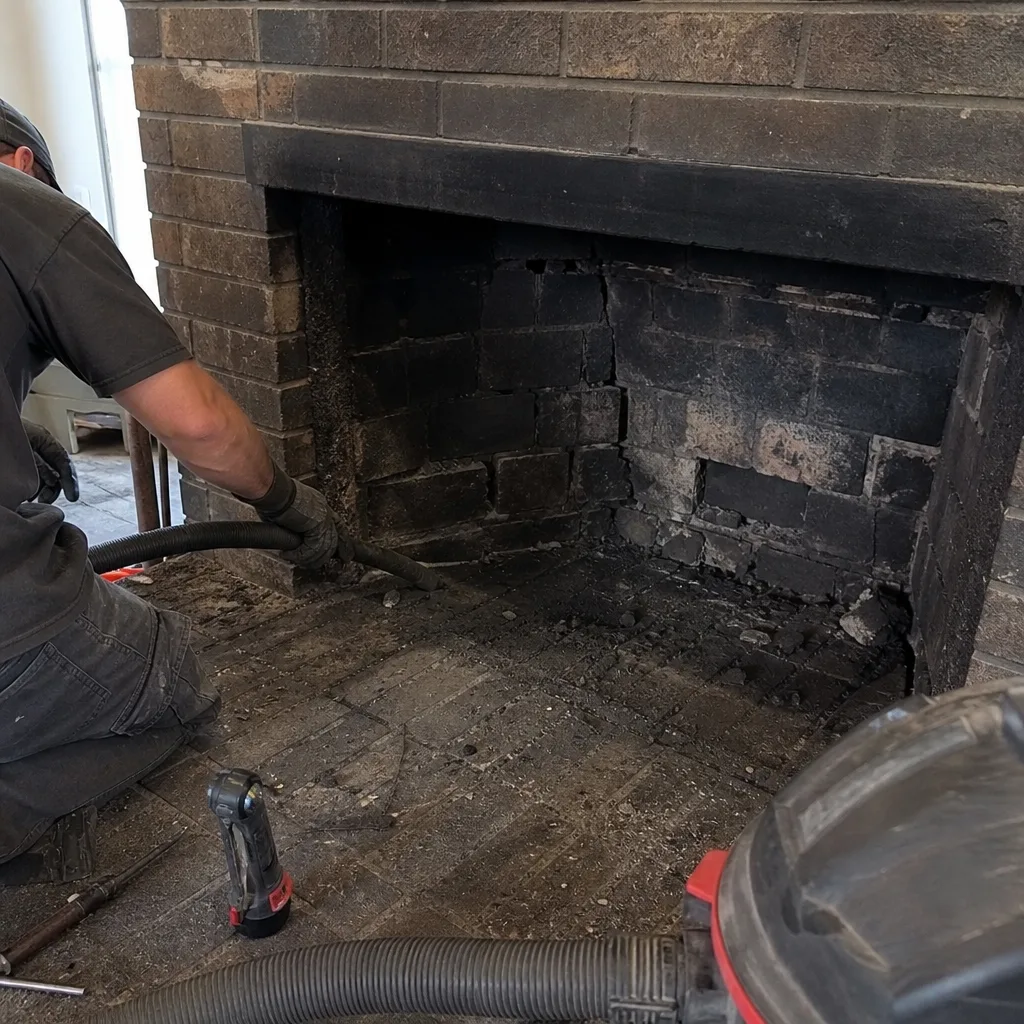 Before
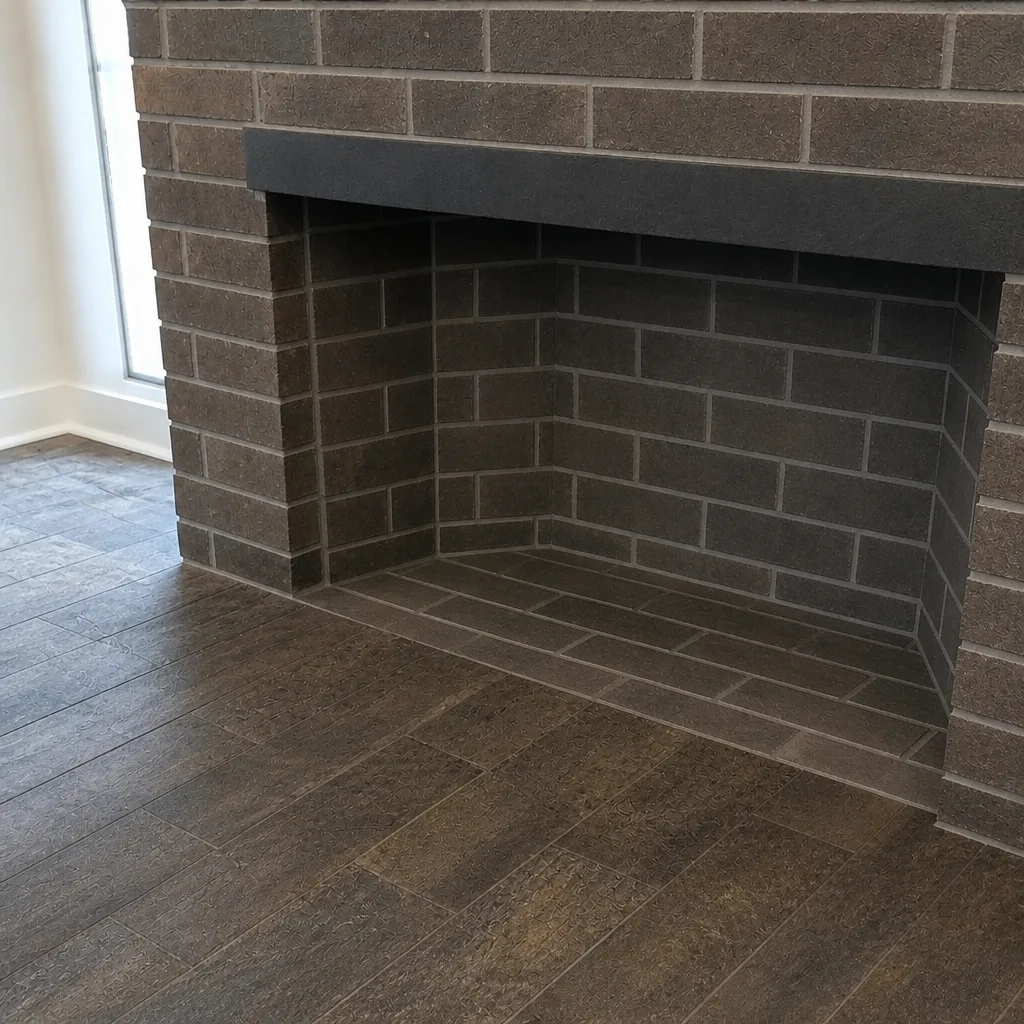 After
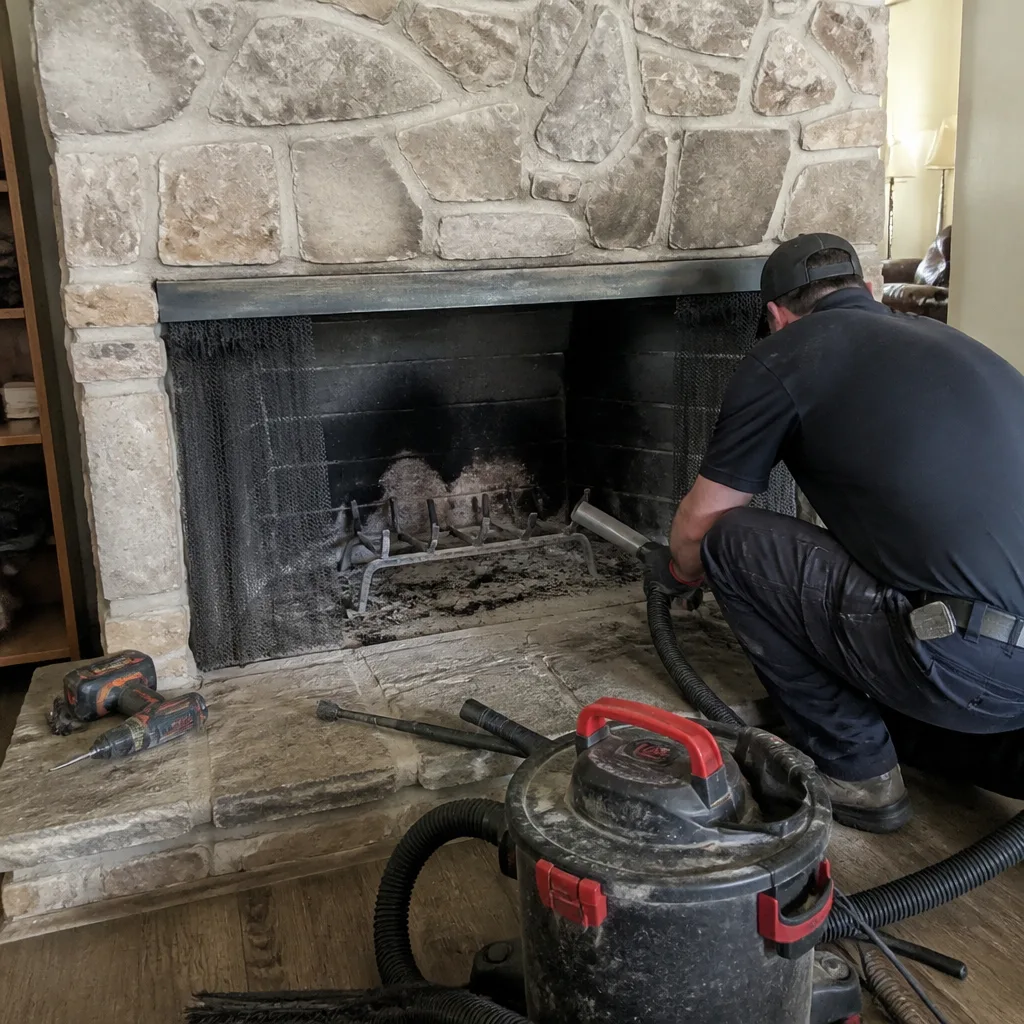 Before
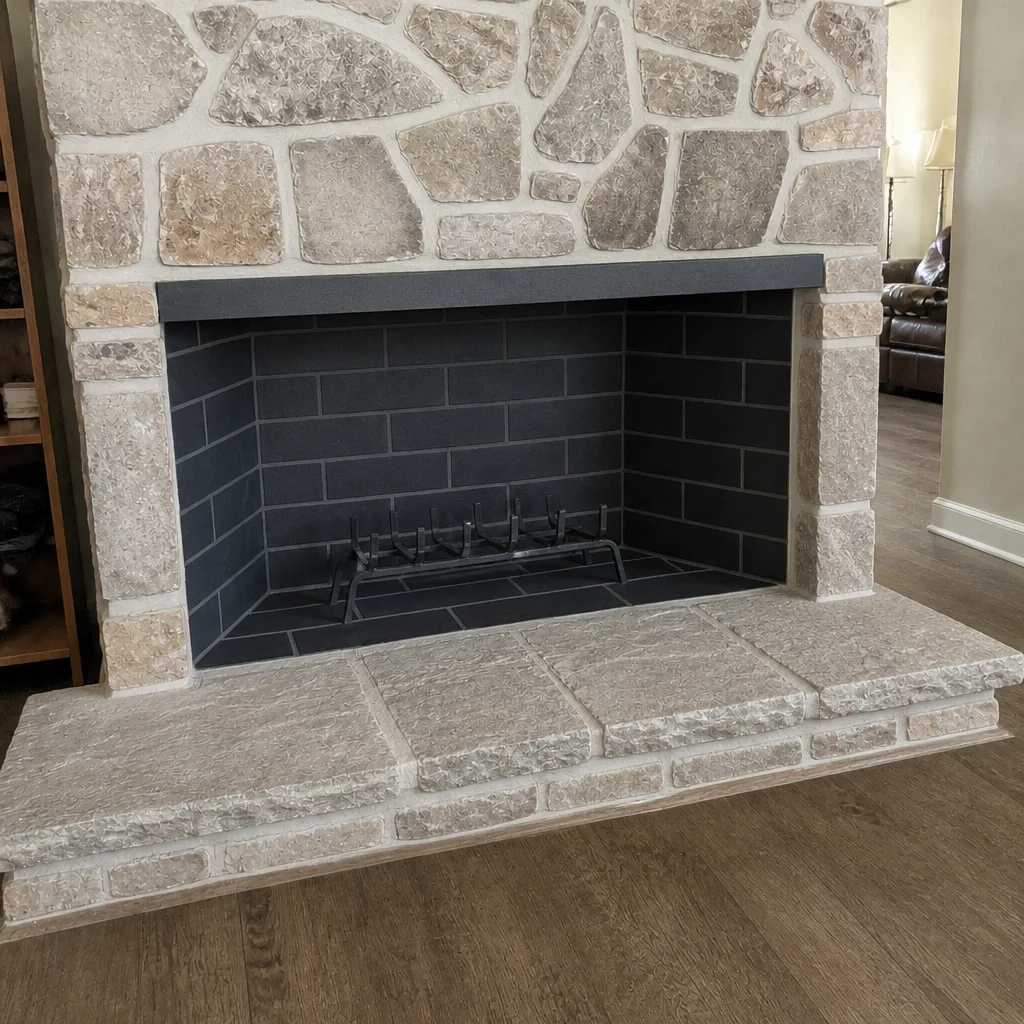 After
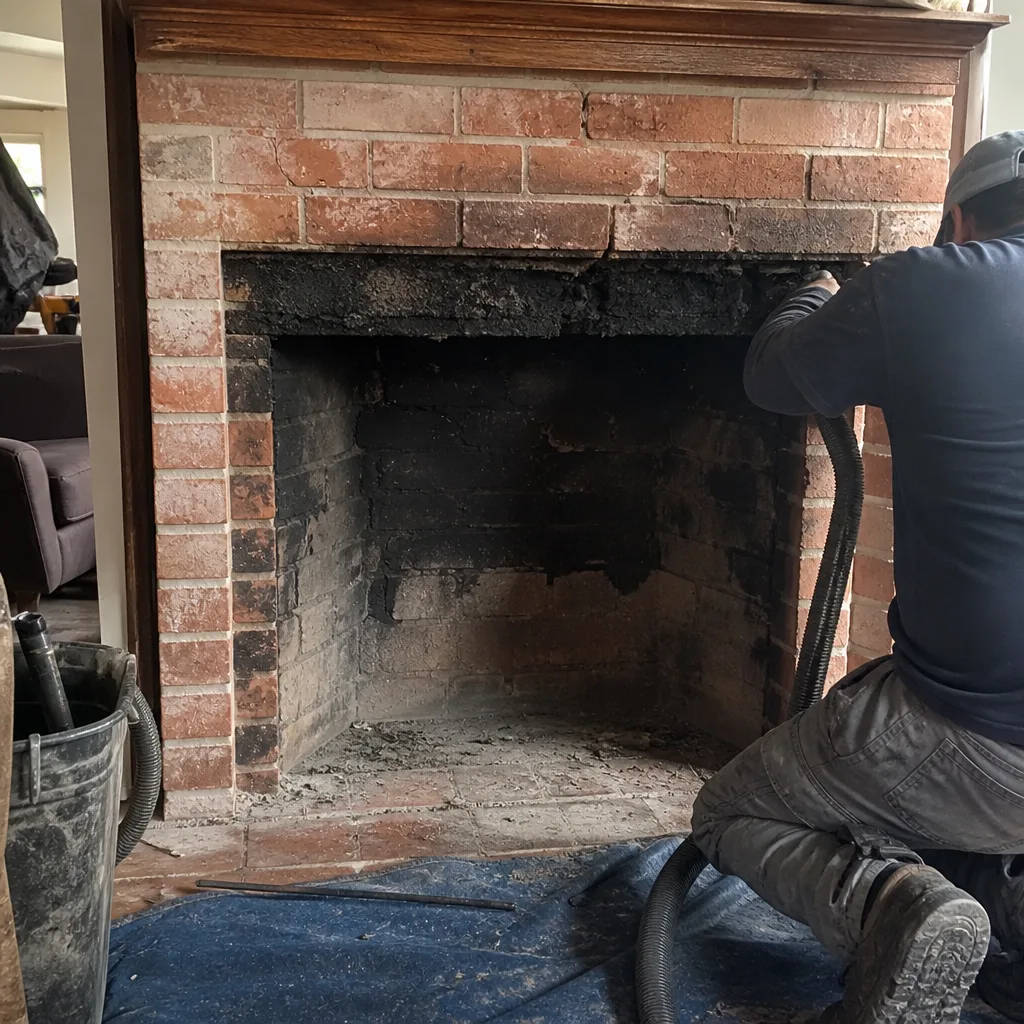 Before
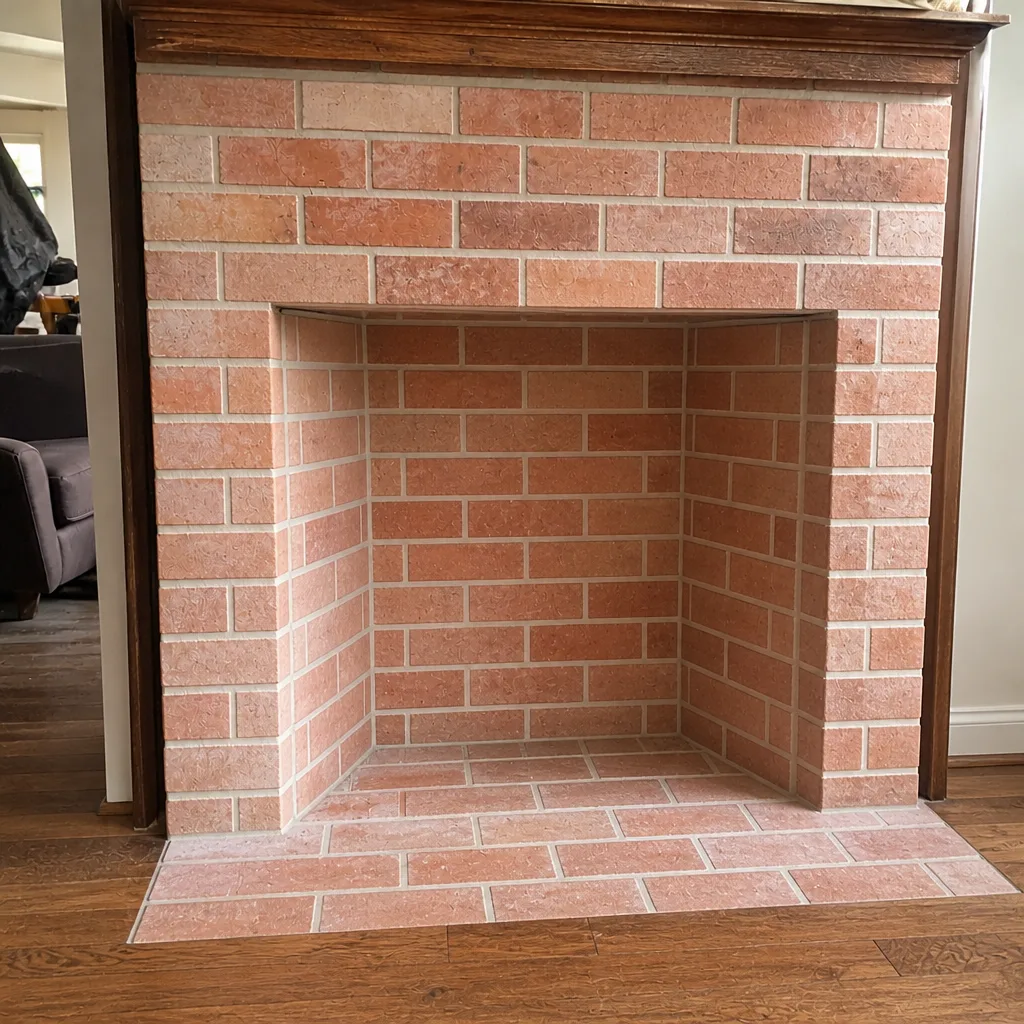 After
When to Call a Professional
Call a professional technician when you see glazed creosote in the flue, when the fireplace smokes into the room, when the damper won’t close, when the crown shows visible cracks, or when summer odor persists after a sweep. Call sooner if you’ve never had the flue inspected and the home has an older masonry chimney. In Lewisville, we suggest every homeowner book at least one post-season inspection and one pre-season sweep per year, and treat summer odor as a reason to book a camera inspection. Lewisville Chimney Sweep offers free estimates in Lewisville – call (888) 424-2086. Our technicians have up to 14 years of experience and we bring inspection-grade diagnostics to every appointment, including a camera inspection and photo report. We also work with professional-grade products from brands like Gelco, Olympia Chimney, Famco and Copperfield, so the repair recommendation matches the actual condition we document.
Frequently Asked Questions
Once a year is the baseline, but in Lewisville we recommend two checkpoints: a post-season sweep in late spring and a pre-season inspection in early fall. The late-season burning pattern here means deposits accumulate through February and March, and a single fall sweep would leave them in the flue all summer. If you burn frequently through the winter, annual inspection is the minimum and the late-spring sweep is the one that matters most. Call (888) 424-2086 for a free estimate on scheduling.
Sweep in late spring, right after the last fire, and inspect in early fall before the heating season. The spring sweep removes the full season’s creosote before summer humidity gives it a chance to consolidate, and it catches masonry or crown issues before the high-heat months. The fall inspection verifies that summer weather didn’t introduce new problems. If you have to choose one, choose late spring for a Lewisville home with an older masonry chimney. Call (888) 424-2086 for an exact quote – estimates are free.
Pricing is set per job by the written estimate, so the exact number depends on the flue condition, creosote stage and what the inspection reveals. Basic sweeps and full inspections are priced differently, and repair work is quoted separately after the camera inspection. We don’t quote over the phone without knowing the condition of your flue. Call (888) 424-2086 for a free estimate and we’ll walk through what your chimney actually needs.
Summer chimney odor is almost always humidity-driven: humid air settles in an unused flue, mixes with residual creosote, and drifts back into the house. The most common fixes are a post-season sweep to remove the deposits and a damper adjustment to seal the flue when it isn’t in use. If a sweep and damper check don’t resolve it, a camera inspection is the next step to check for a crown crack, failing flashing or a liner issue. Call (888) 424-2086 to book an inspection.
Yes, especially if your chimney has a masonry exterior. Lewisville’s humid summers hold moisture in brick and mortar for weeks, and that moisture expands when it heats up, which cracks joints and the crown. Waterproofing applied after any crown repair keeps that moisture out. Timing matters: apply it during a dry stretch in summer, not right before a rain event. Call (888) 424-2086 for a free estimate on waterproofing and crown assessment.
Skipping a year isn’t automatically dangerous, but it does mean creosote keeps accumulating in the flue and no one grades it. In a humid climate, the deposits can harden into stage two or three creosote, which is harder to remove and more flammable. Skipping the inspection also means a cracked crown or a failing liner goes another year without being caught. A camera inspection shows you exactly what’s in there and whether it can safely wait. Call (888) 424-2086 for an exact quote – estimates are free.
The Bottom Line
Lewisville doesn’t fit the national chimney-care calendar. The mild winters extend the burning season, the humid summers work on masonry for months after the last fire, and the odor problem most homeowners notice in July points to something real in the flue. The practical approach is a post-season sweep in late spring, a pre-season inspection in early fall, summer waterproofing and crown care, and a quick camera inspection whenever something changes. That’s the whole guide. If you want a second opinion on what your chimney actually needs, our camera inspection and photo report let you see the evidence for yourself. We’re always glad to walk through what we find and tell you plainly when work can safely wait.
Call (888) 424-2086 for a free estimate. We answer 24/7. Fast dispatch from 7am to 7pm, Sunday through Friday.
Written by the team at Lewisville Chimney Sweep.